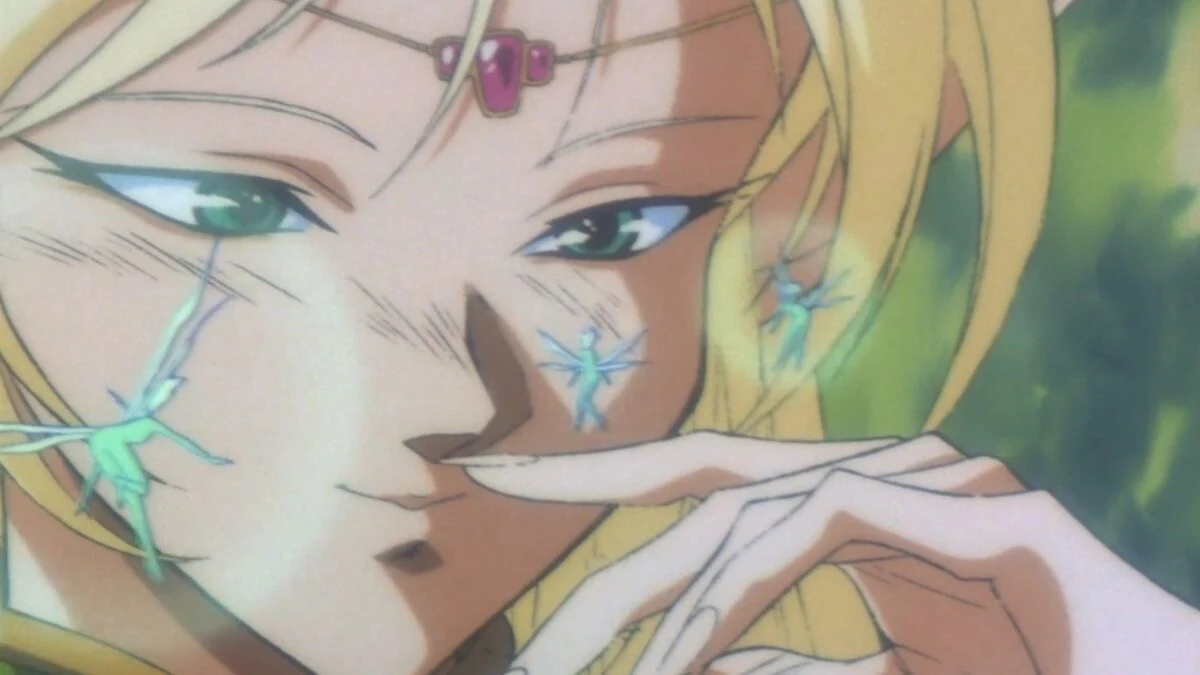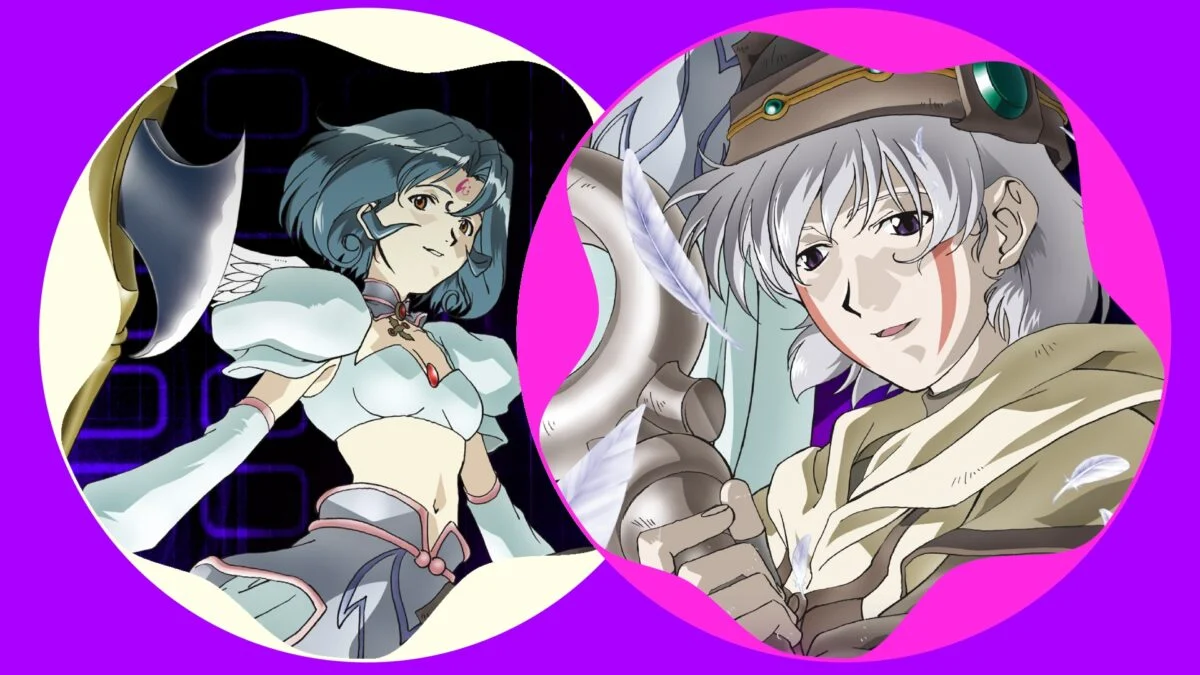
Modern-day anime has basically perfected the “trapped in a video game” storyline—so much so that it’s well past the point of feeling derivative with each passing season. But, to be ever so charitable, what ain’t broke doesn’t need fixin’. Skim the chaff from the oversaturated video-game-anime gumbo, and you’ll find shows like Sword Art Online, which repopularized the isekai-adjacent power-fantasy protagonist; Shangri‑La Frontier (in my humble opinion), which perfected it; and the controversial 2025 anime of the year, Solo Leveling, which flipped the formula by dragging RPG mechanics into the real world. After dusting off my bookshelf of old anime DVDs from my FYE-employee-discount era, I rediscovered .hack//Sign, a Funimation-era anime that doesn’t get enough credit for being the core ingredient to today’s trends. Having given it a rewatch (since it’s not streaming anywhere), I can say with my whole chest that it might be my favorite depiction of gaming in a virtual space—not for its call to action or its action, but for how sharply it highlights an underappreciated facet of gaming as a communal space. That, and the fact that it doubles as a PSA to log the hell off. .hack//Sign, animated by Bee Train, is a 2005 anime whose premise has become pretty by-the-numbers by modern anime standards—and for good reason. Many credit it with introducing the tropes we know today. In it, folks play The World, a hot online MMORPG that feels like a cross between World of Warcraft, Final Fantasy XIV, The Legend of Zelda, and Dragon Quest, as a way to escape their daily lives. That is to say, it’s a fantasy-ass fantasy game. Likewise, protagonist Tsukasa is an overpowered kid who’s not only trapped in the game but also tied to an all-powerful MacGuffin called the Key of the Twilight, which everyone’s after to gain control of The World.
'.hack//Sign' Still Hits as a Gaming Anime About the Virtues of Logging Off
While popular shows like 'Sword Art Online,' 'Shangri‑La Frontier,' and 'Solo Leveling' chase power fantasy, this OG anime holds up because it celebrates gaming as a communal space.
1,158 words~5 min read