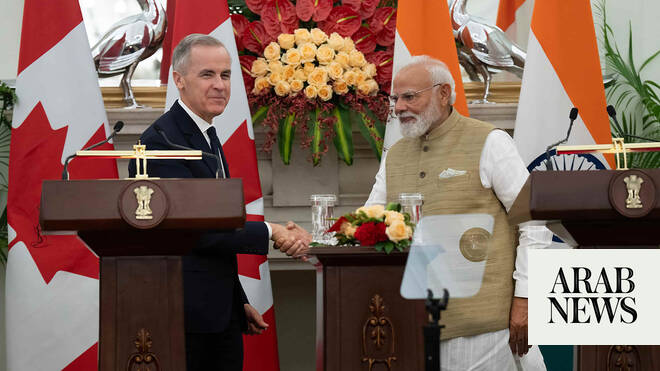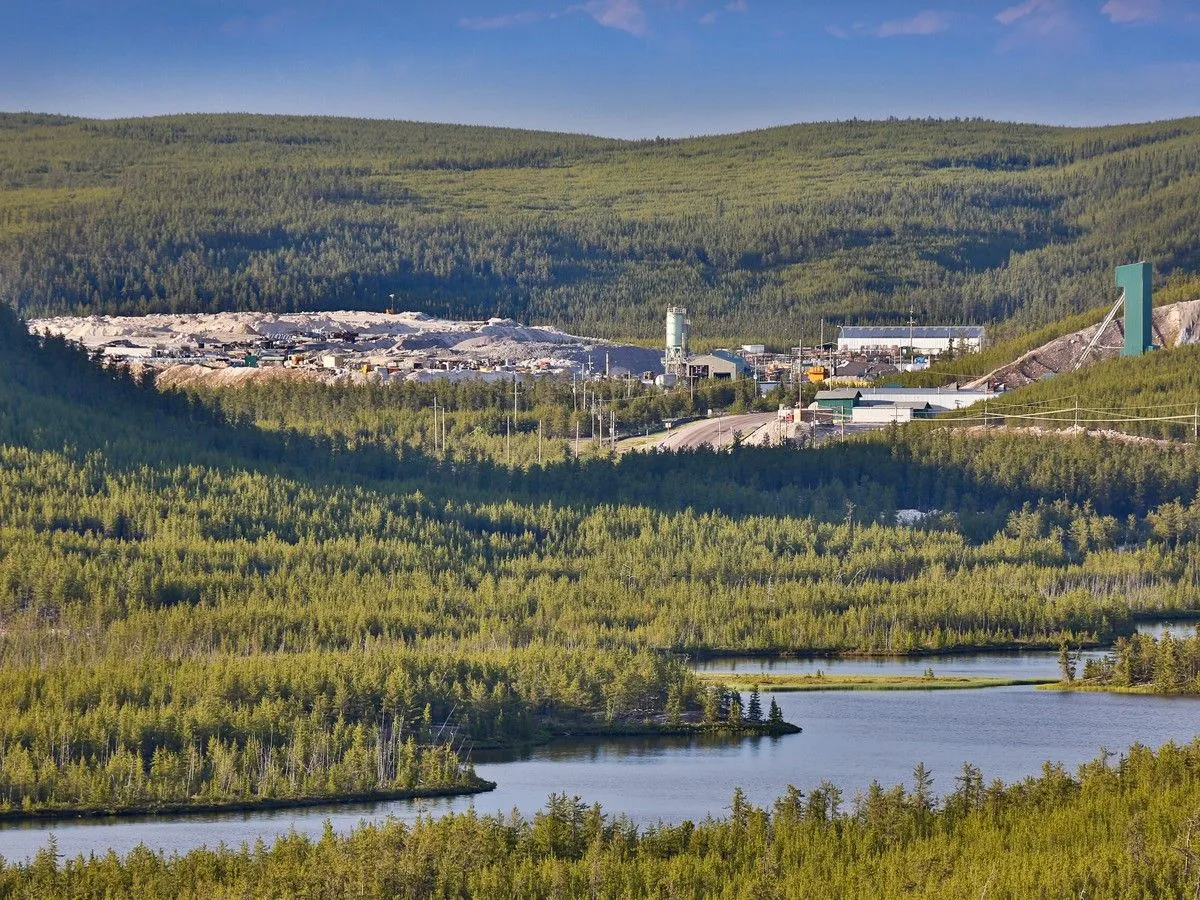
Skip to Content News Archives Economy Energy Oil & Gas Renewables Electric Vehicles Mining Commodities Agriculture Real Estate Mortgages Mortgage Rates Finance Banking Insurance Fintech Cryptocurrency Work Wealth Smart Money Wealth Management Investor Personal Finance Family Finance Retirement Taxes High Net Worth FP Comment Executive Women Puzzmo Newsletters Financial Times Business Essentials More Innovation Information Technology FP500 Podcasts Small Business Lives Told Tails Told Shopping Financial Post Store Obituaries Place a Notice Advertising Advertising With Us Advertising Solutions Postmedia Ad Manager Sponsorship Requests Classifieds Place a Classifieds ad Working Profile Settings My Subscriptions Saved Articles My Offers Newsletters Customer Service FAQ News Economy Energy Mining Real Estate Finance Work Wealth Investor FP Comment Executive Women Puzzmo Newsletters Financial Times Business Essentials HomeCommoditiesEnergyMiningIndia willing to buy heaps of Canadian uranium, invest in mines, high commissioner saysThe South Asian country plans to expand its nuclear power capacity more than 10-fold by 2047Last updated 46 minutes ago You can save this article by registering for free here. Or sign-in if you have an account.Cameco Corp.'s McArthur River uranium mine in northern Saskatchewan. Cameco supplies about 20 per cent of the uranium used to fuel the 440 nuclear reactions in operation worldwide. Photo by Supplied imageIndia is prepared to buy as much uranium as Canada’s largest producer can sell, in a bid to meet the South Asian country’s nuclear power ambitions, High Commissioner Dinesh Patnaik says.Subscribe now to read the latest news in your city and across Canada.Exclusive articles from Barbara Shecter, Joe O'Connor, Gabriel Friedman, and others.Daily content from Financial Times, the world's leading global business publication.Unlimited online access to read articles from Financial Post, National Post and 15 news sites across Canada with one account.National Post ePaper, an electronic replica of the print edition to view on any device, share and comment on.Daily puzzles, including the New York Times Crossword.Subscribe now to read the latest news in your city and across Canada.Exclusive articles from Barbara Shecter, Joe O'Connor, Gabriel Friedman and others.Daily content from Financial Times, the world's leading global business publication.Unlimited online access to read articles from Financial Post, National Post and 15 news sites across Canada with one account.National Post ePaper, an electronic replica of the print edition to view on any device, share and comment on.Daily puzzles, including the New York Times Crossword.Create an account or sign in to continue with your reading experience.Access articles from across Canada with one account.Share your thoughts and join the conversation in the comments.Enjoy additional articles per month.Get email updates from your favourite authors.Create an account or sign in to continue with your reading experience.Access articles from across Canada with one accountShare your thoughts and join the conversation in the commentsEnjoy additional articles per monthGet email updates from your favourite authorsSign In or Create an Accountor“We would buy as much (uranium) as Cameco can produce,” Patnaik, India’s high commissioner to Canada, told reporters at a summit in Regina, Sask. “We would like to invest in your Uranium mines, if possible.”Saskatoon-based Cameco Corp., Canada’s largest uranium producer, has already agreed to supply nearly 22 million pounds of uranium to India each year for nuclear energy generation from 2027 to 2035.Tim Gitzel, Cameco’s chief executive, met with Canadian Prime Minister Mark Carney and Indian Prime Minister Narendra Modi in Delhi after the new energy partnership was announced in March.The Indian government plans to expand the country’s nuclear power capacity more than 10-fold by 2047. Patnaik said they’re looking for long-term arrangements to support those ambitions.“If we could get all of it from you, I don’t mind,” Patnaik said. Cameco’s McArthur River uranium mine in northern Saskatchewan. Cameco supplies about 20 per cent of the uranium used to fuel the 440 nuclear reactions in operation worldwide. Supplied imageA representative from Cameco said that while there are no plans to extend the deal beyond 2035 at the moment, they hope to continue working with India. They were unable to say whether the scope of the current deal would be expanded.India’s population is nearing 1.5 billion people, and its energy demand is expected to grow faster than that of any other country over the next decade.Currently, India has two dozen reactors, with another eight under construction, according to the World Nuclear Association. At the moment, the majority of the country’s electricity comes from coal.Producing about one-fifth of the world’s uranium, Canada is the second-largest producer, behind Kazakhstan, which produces nearly 40 per cent of the global supply. Also among the top five producers are Namibia, Australia and Uzbekistan.— With files from Nykole King, Saskatoon StarPhoenixFP West: Energy Insider brings you behind the closed doors of the oilpatch, with exclusive insights from insiders every Wednesday morning. Sign up now. Join the Conversation This website uses cookies to personalize your content (including ads), and allows us to analyze our traffic. Read more about cookies here. By continuing to use our site, you agree to our Terms of Use and Privacy Policy.
India willing to buy heaps of Canadian uranium, invest in mines, high commissioner says
India is prepared to buy as much uranium as Canada’s largest producer can sell, in a bid to meet the South Asian country’s nuclear power ambitions, High Commissioner Dinesh Patnaik says.
TL;DRAI
India has agreed to buy nearly 22 million pounds of uranium per year from Cameco (2027–2035), with the High Commissioner stating India would purchase "as much as Cameco can produce" and invest directly in Canadian mines. India plans a 10-fold expansion of nuclear capacity by 2047, making it a structural long-term demand driver for uranium — relevant for any portfolio or supply-chain exposure to energy transition and critical minerals.
821 words~4 min read