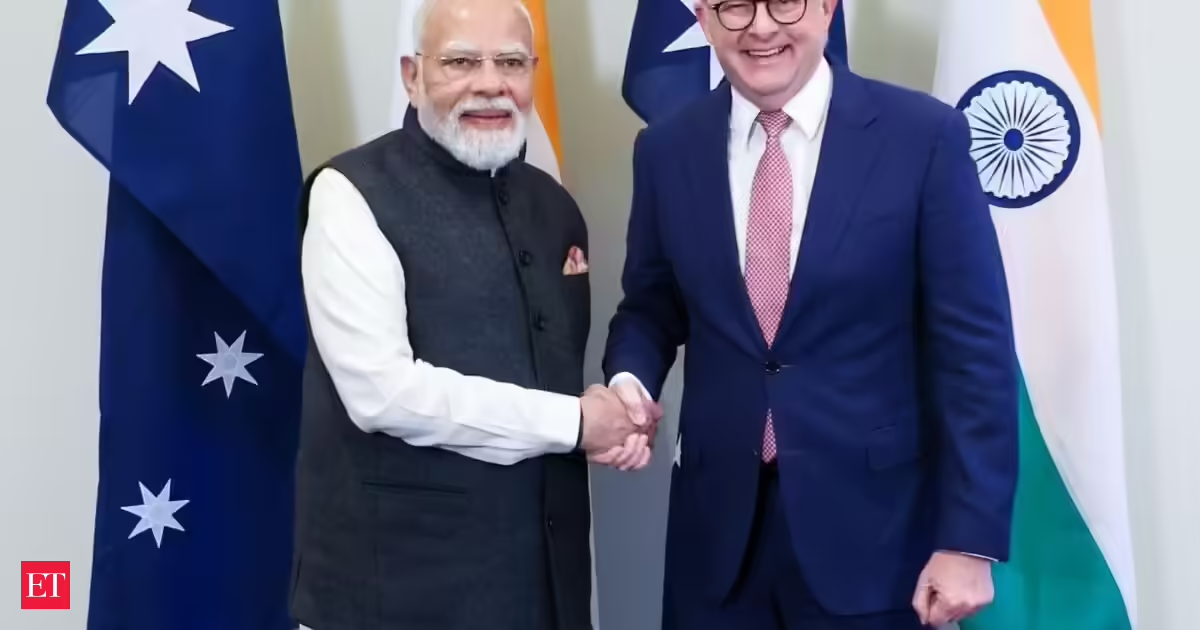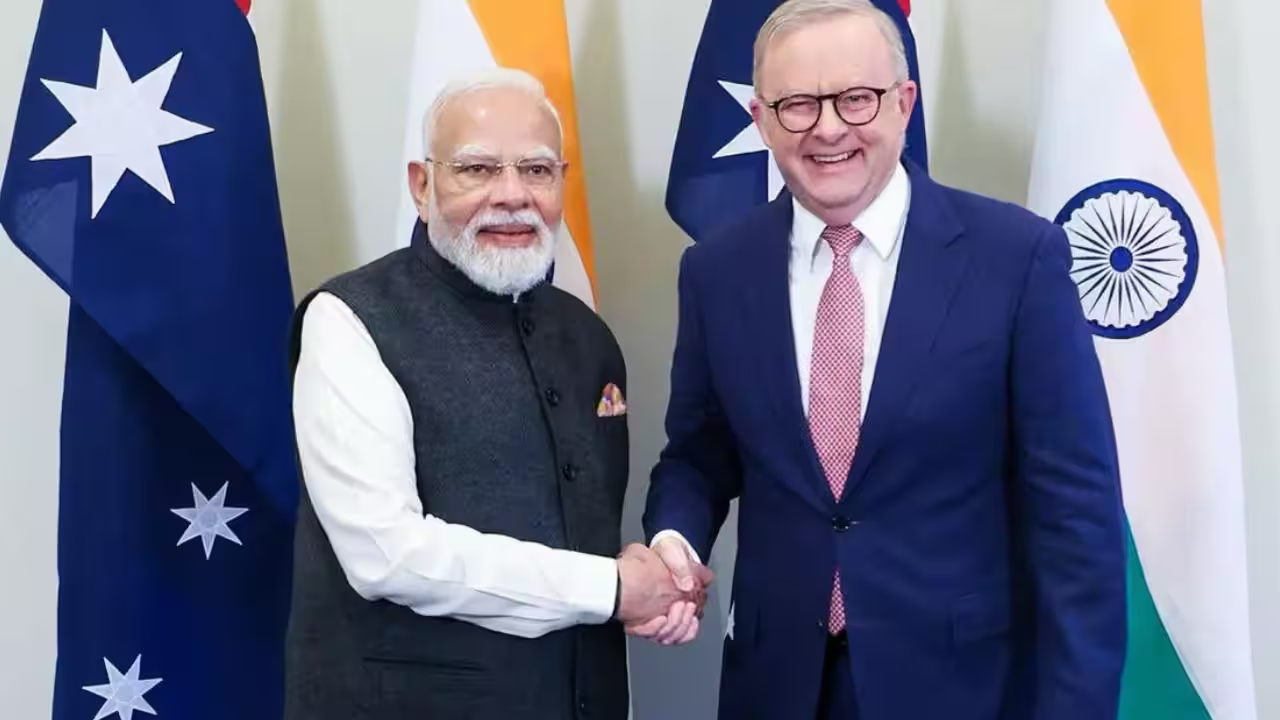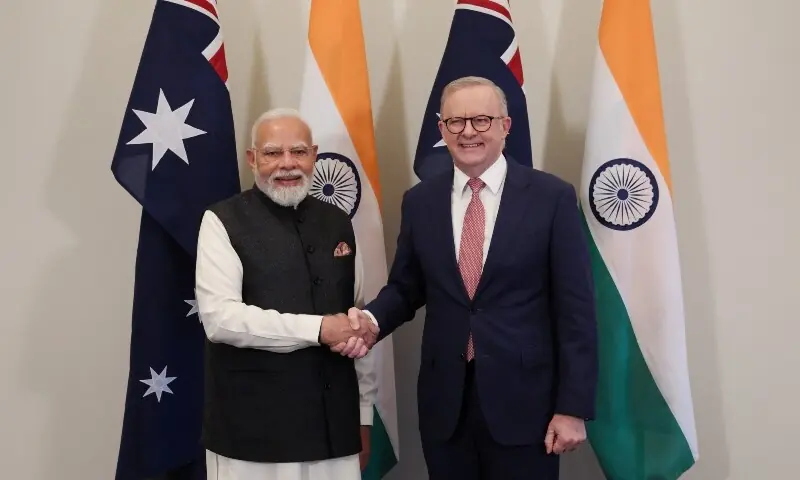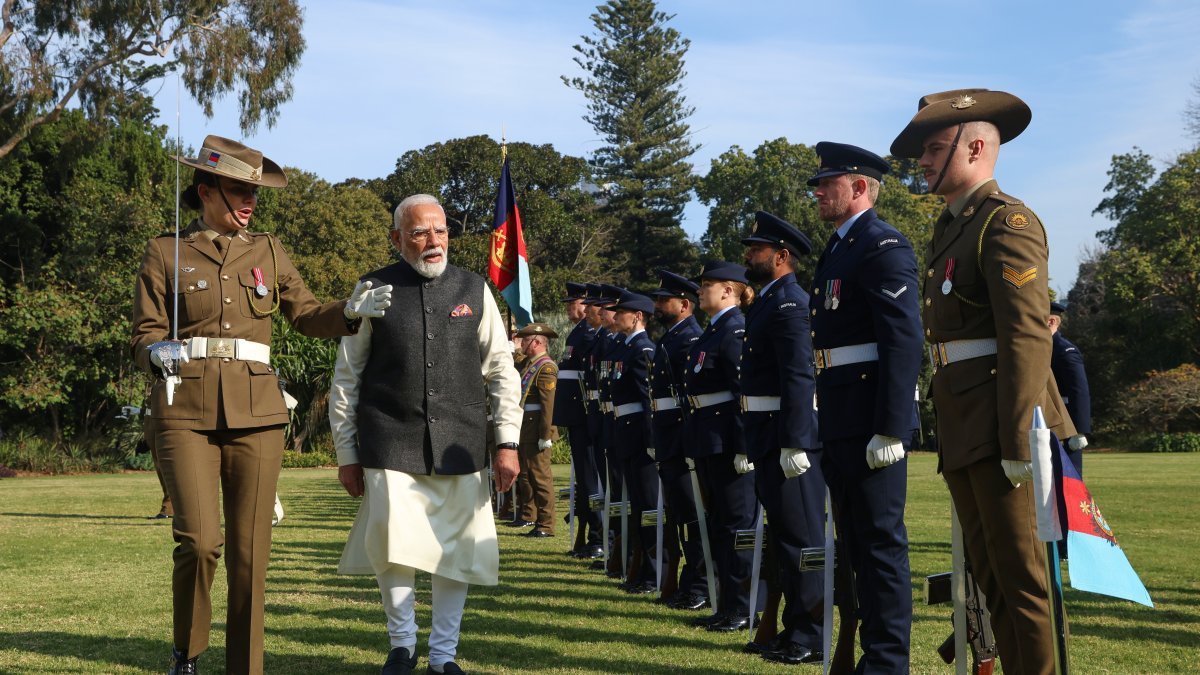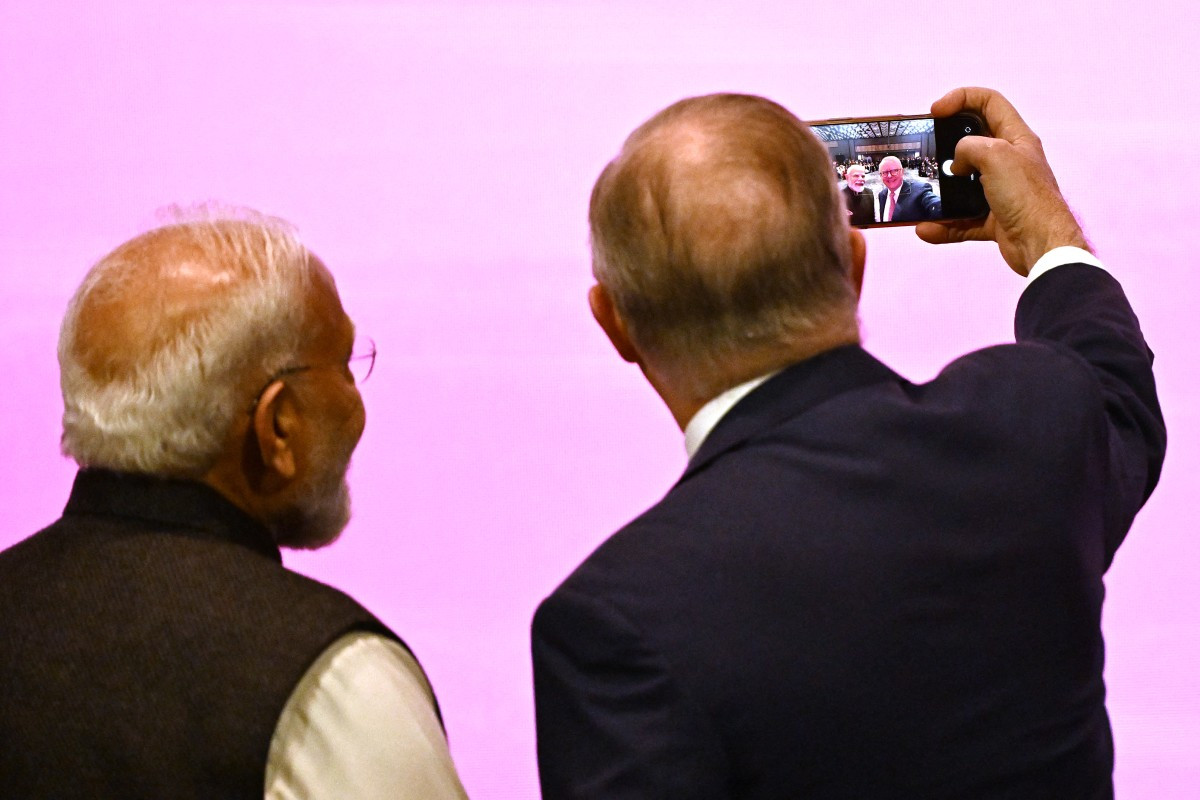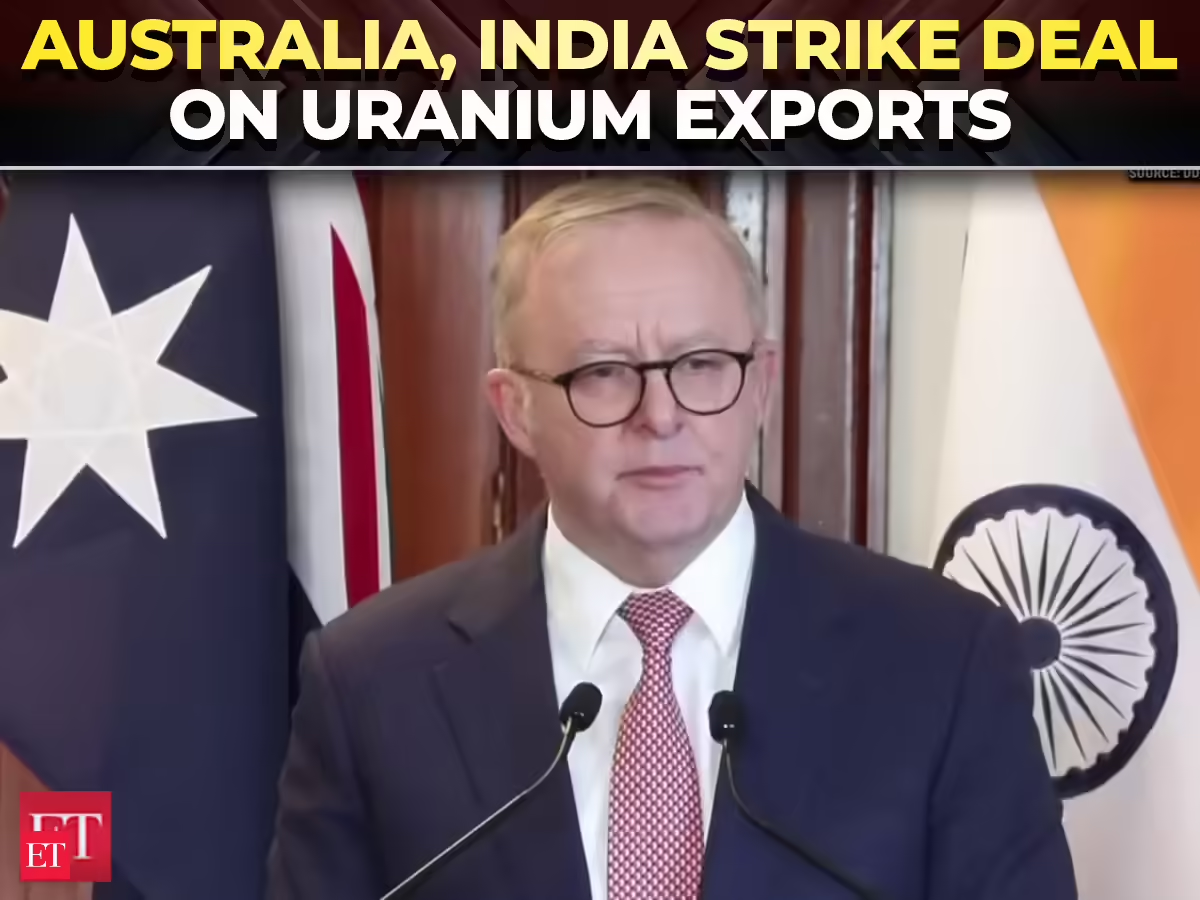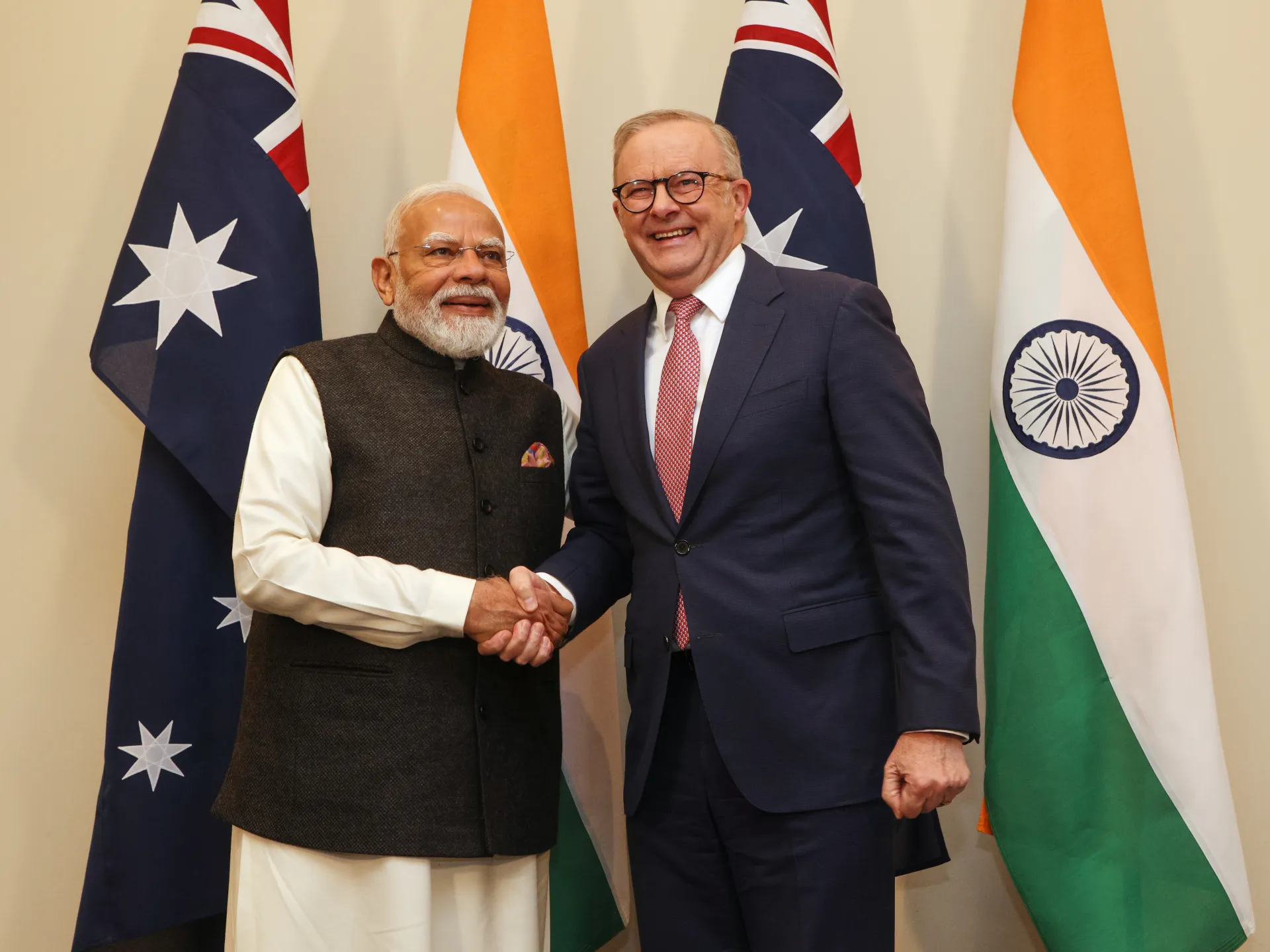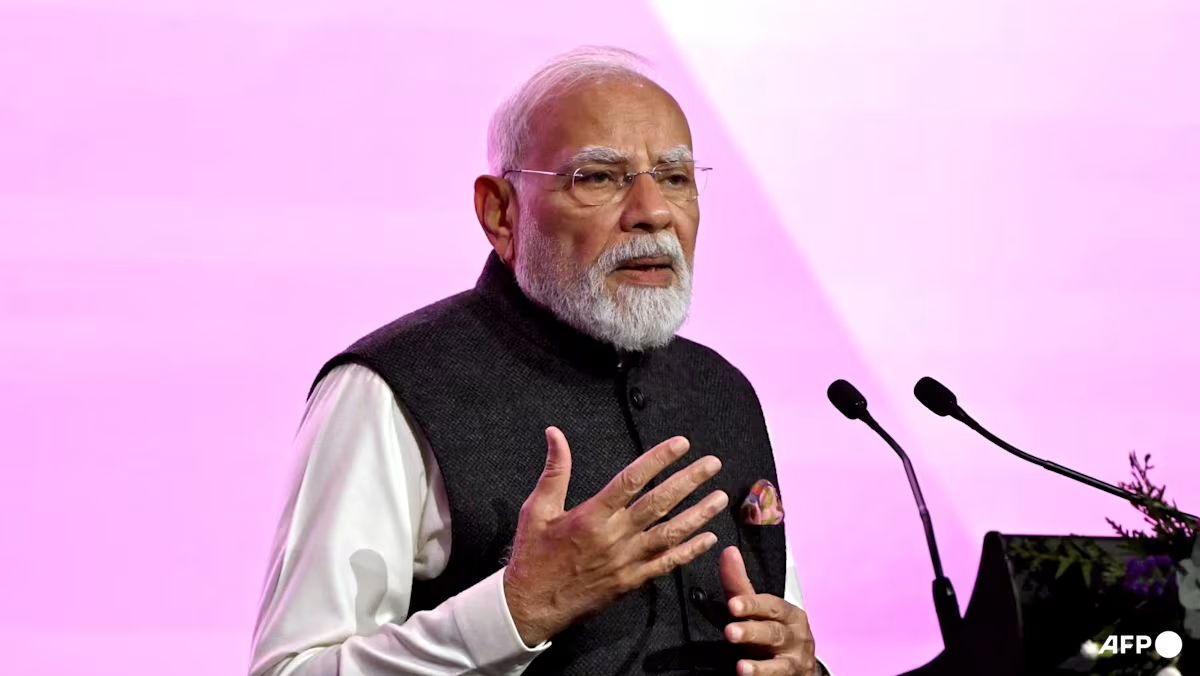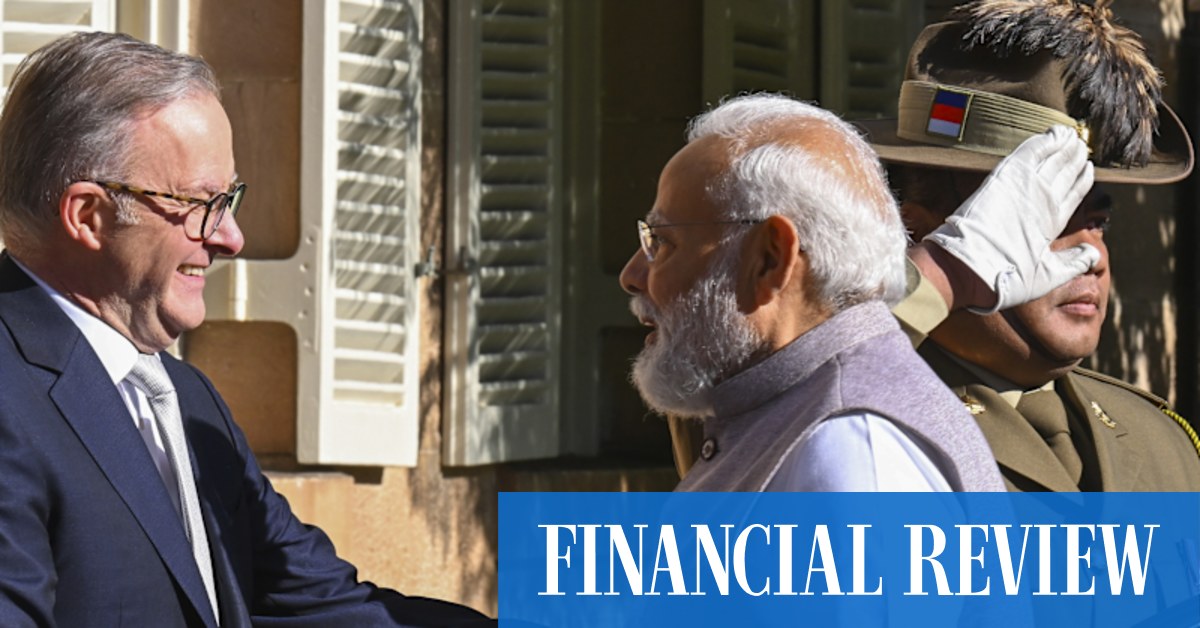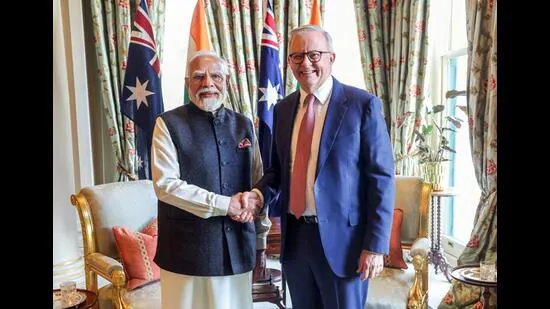
The India-Australia uranium deal couldn’t have come at a better time. Amidst growing concerns (founded and unfounded) around ethanol-blended fuel in automobiles; rising kitchen costs partially owing to pricier gas; and a fresh wave of US-Iran clashes in the Strait of Hormuz, New Delhi’s attempts to secure its energy sources have received a fillip with this significant development.The uranium deal alone is enough to consider PM Narendra Modi’s visit to Australia, a fellow member of the Quad, highly successful. From Australia’s perspective, too, the uranium deal is a win-win. (Narendra Modi Photo Gallery/ANI)The uranium deal alone is enough to consider Prime Minister (PM) Narendra Modi’s visit to Australia, a fellow member of the Quadrilateral Security Dialogue (Quad), highly successful. An additional investment of $346 million by Australia’s largest pension fund, AustralianSuper, in India’s National Investment and Infrastructure Fund (NIIF) and an upgrade in defence ties further sweeten the headline. Australian PM Anthony Albanese took this opportunity to call the pre-2014 bilateral ties “underdone, under-explored and under-examined”. From Australia’s perspective, too, the uranium deal is a win-win. On the one hand, it incentivises Australian miners to undertake more explorations — India’s demands cannot be fulfilled by Australia’s current operations. On the other, it signals to other countries, including the US and France, Australia’s willingness to optimise its uranium reserves. The country holds nearly a third of the world’s uranium reserves and has been sought after by countries looking for a pivot away from fossil fuels.The timing of the deal is significant for other reasons, too. Australia was one of the most vocal critics of China’s July 6 missile test in the Asia-Pacific waters. The Indian government didn’t issue any official reaction. India and Australia may have a slight divergence of views in terms of dealing with China’s ever-growing influence in the region, but New Delhi has been steadily working to expand its network of allies in the Indian Ocean, and the current three-nation tour is part of this exercise. To be sure, Australia is more aligned to the US-Europe perspective on China, but unlike Canberra, New Delhi has to measure any response to Beijing against its interests along the 3,488-kilometre Line of Actual Control. Securing a solid bilateral base, without allowing itself to be tied to the geopolitical worldview held by its partner, is a template that India can use in other situations. West Asia is a ready testing ground.
India’s Aussie template works
The deal on uranium comes at a critical juncture for energy security and demonstrates India’s ability to balance opposing geopolitical pulls
399 words~2 min read