Support CleanTechnica's work through a Substack subscription or on Stripe.
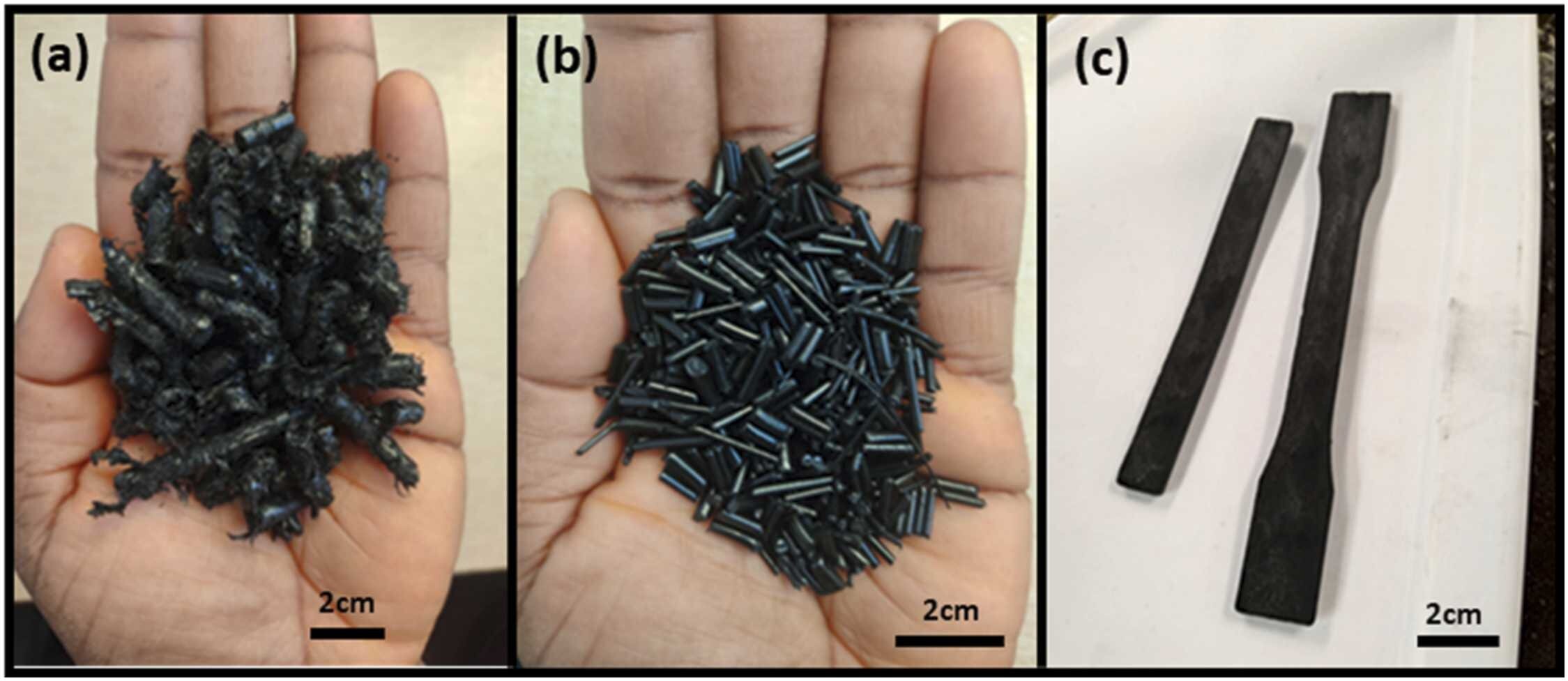
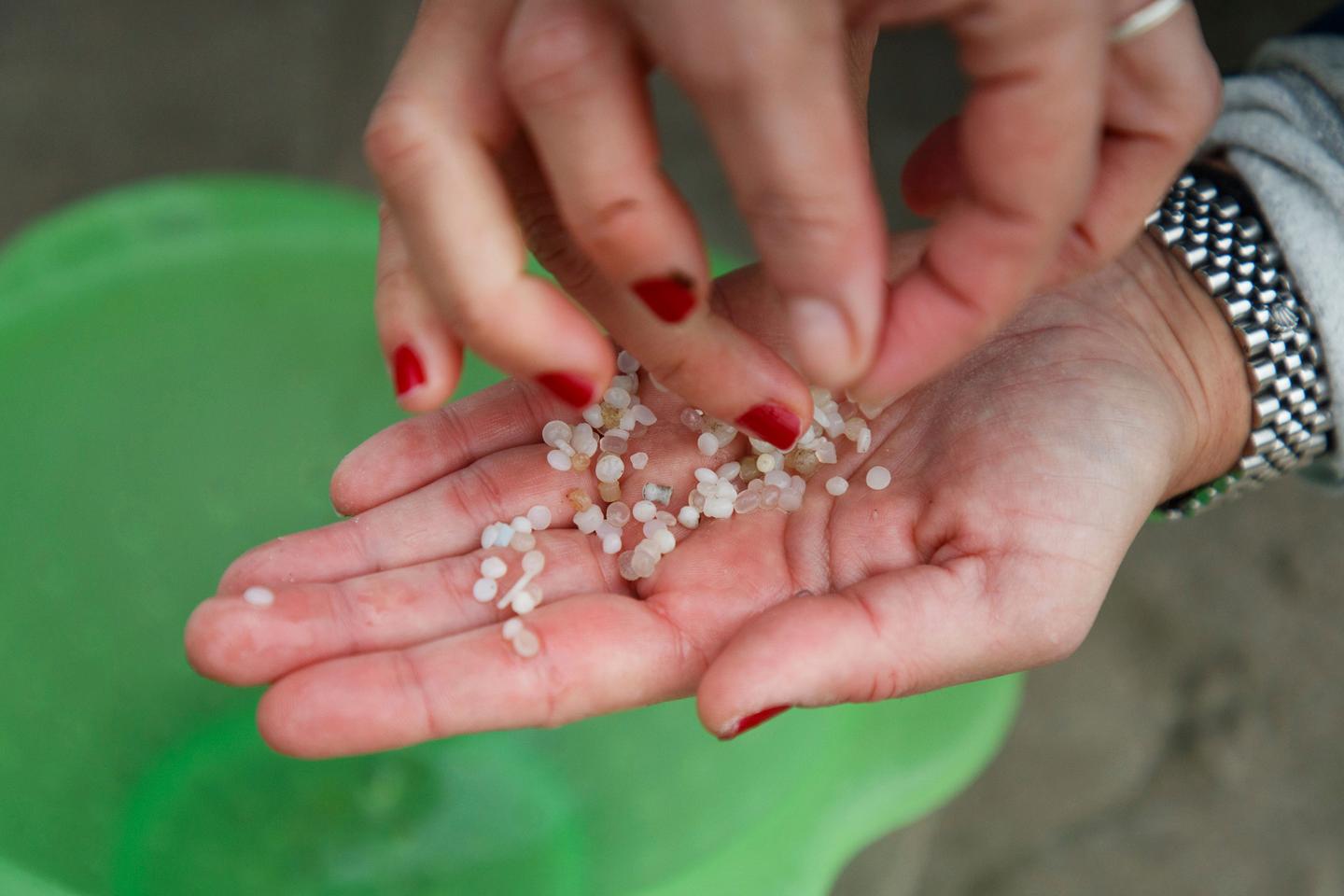
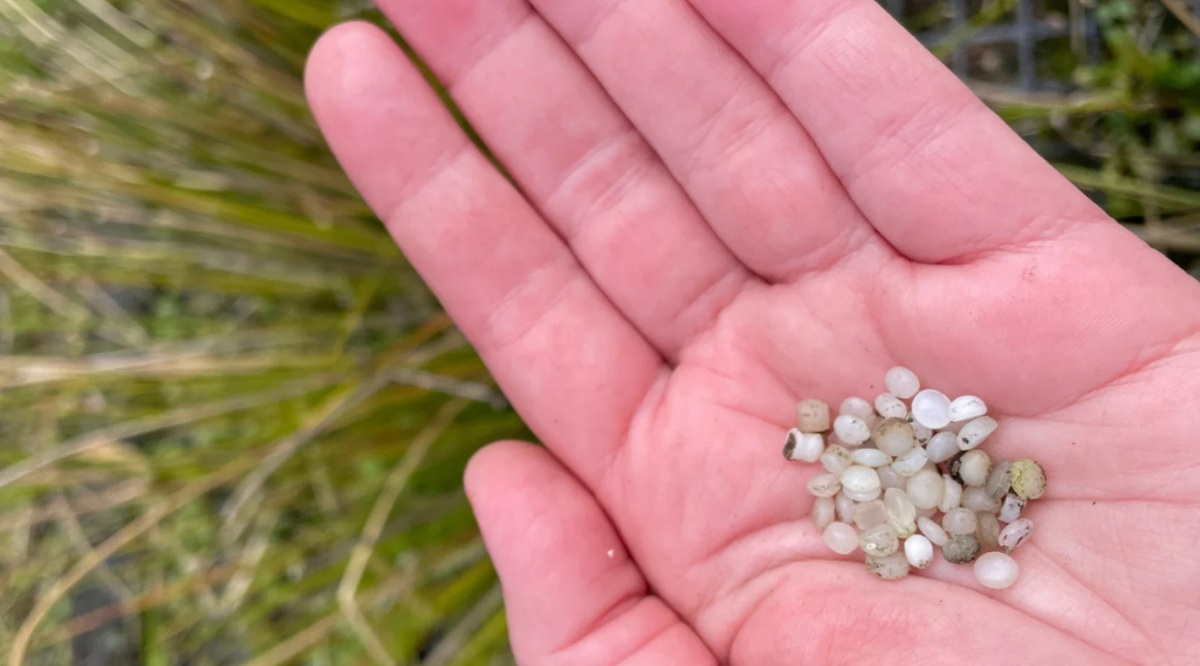
Plastic pellets, sometimes referred to as “nurdles,” are precursors to the manufacture of thousands upon thousands of plastic products that are common in our everyday lives. They are typically shipped in large plastic drums that themselves were once nurdles. They are about the size of a lentil or a grain of rice and, unfortunately, some of them get released into the environment during the shipping and manufacturing process. Because they are so light, they are carried easily on the wind and find their way into waterways and aquifers.
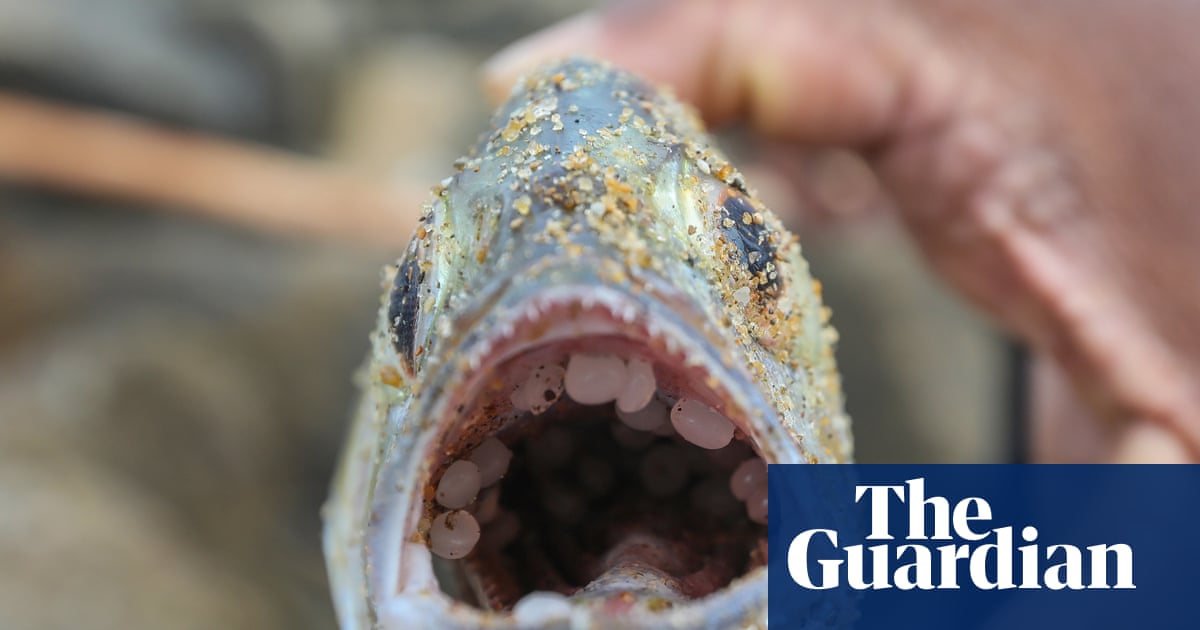
Emily Kowalski is the associate director of Environment Illinois. She told Capitol News Illinois recently that the pellets can look like food to birds, turtles, and fish. If animals ingest too many of them, they can become ill, starve, or be poisoned by the accumulation of toxins from the pellets. “Once you see them, you see them everywhere,” she said.
Minuscule Pollutants
The plastic pellets are often too small to be seen with the unaided eye. They get spilled during the manufacturing process and can easily end up in the state’s waterways after being blown by the wind or carried along by stormwater. Wildlife — including fish, birds, and turtles — can mistake pellets for food and may suffocate or starve from ingesting them. Scientists have found that even small amounts of plastic can alter the behavior of fish. Plastic pellets also can leach toxic additives and absorb toxic chemicals, including DDT, PCBs, and mercury.