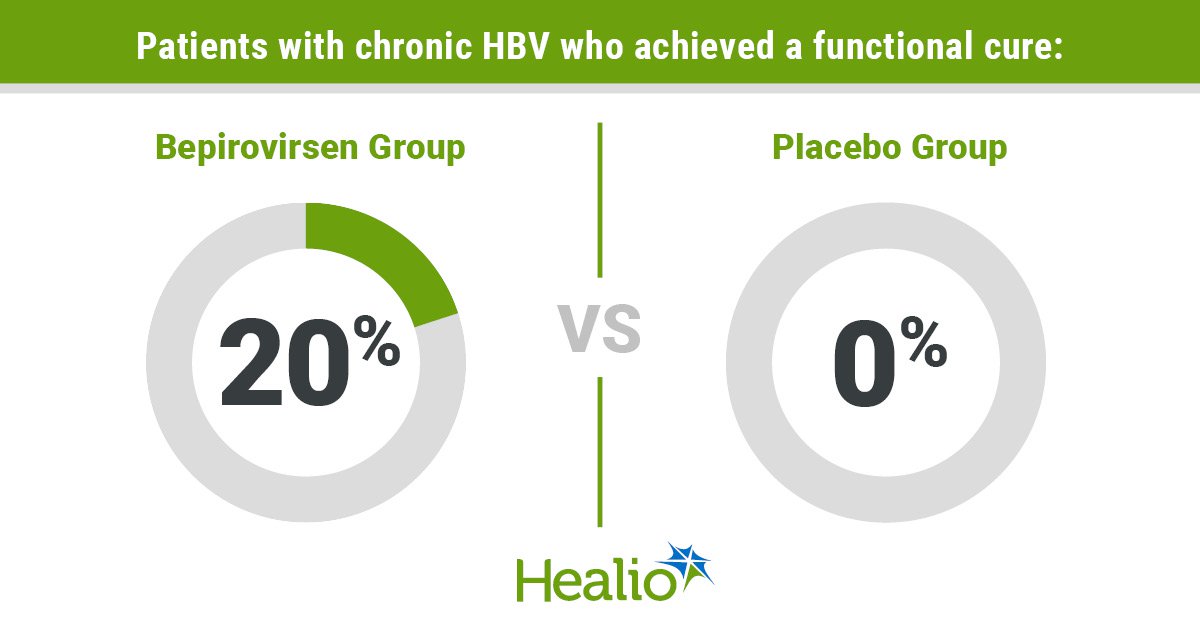
An experimental medication called bepirovirsen might represent the first successful step toward a major medical milestone: a cure for chronic hepatitis B. A study out this week shows that it can effectively clear the viral disease from some people’s bodies. On Thursday, the makers of bepirovirsen, GSK (formerly GlaxoSmithKline), announced the results of its two Phase III trials. In roughly 20% of people given bepirovirsen, levels of the virus in blood remained undetectable for at least six months after all treatment ended. GSK is now pursuing approval for the drug from the Food and Drug Administration and regulators in other countries. “Today’s standard of care for [chronic hepatitis B] imposes a heavy burden on patients and healthcare systems, and rarely delivers a functional cure. With recent guidelines now prioritizing functional cure, these new data could represent an important advance,” said lead trial researcher Jinlin Hou, director of the Guangdong Institute of Hepatology in China, in a statement from GSK.
A functional cure Hepatitis B is transmitted through contact, which can include sex, with infected bodily fluids. Most of the time, the virus only causes a short-term acute infection of the liver. In about 5% of adults (and more so in children), however, the infection lingers and becomes chronic. Even without causing noticeable symptoms, chronic hepatitis B steadily damages the liver over time, leading to health problems like cirrhosis, liver cancer, and even death.