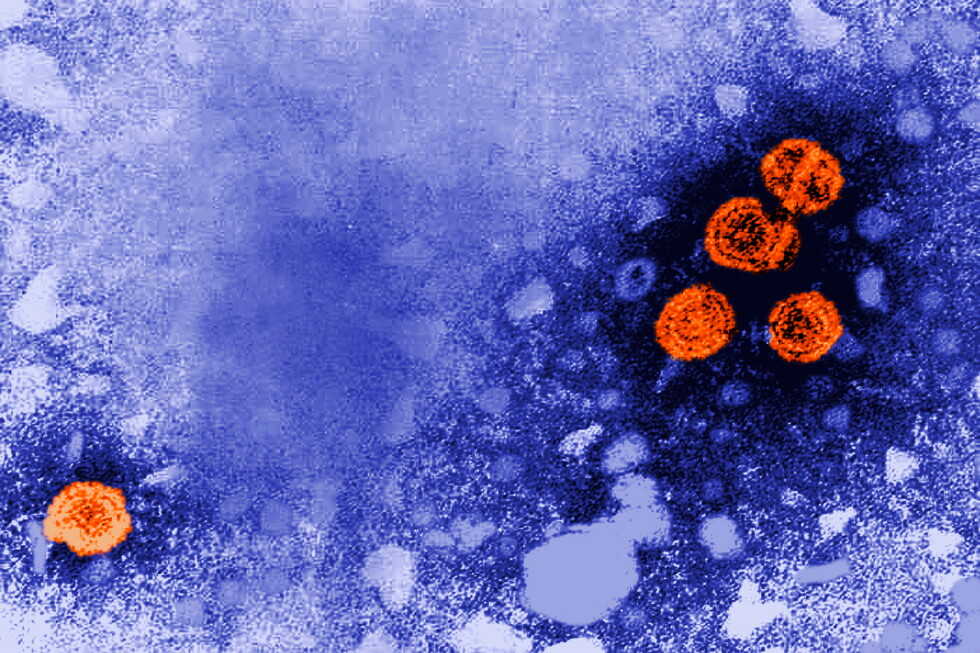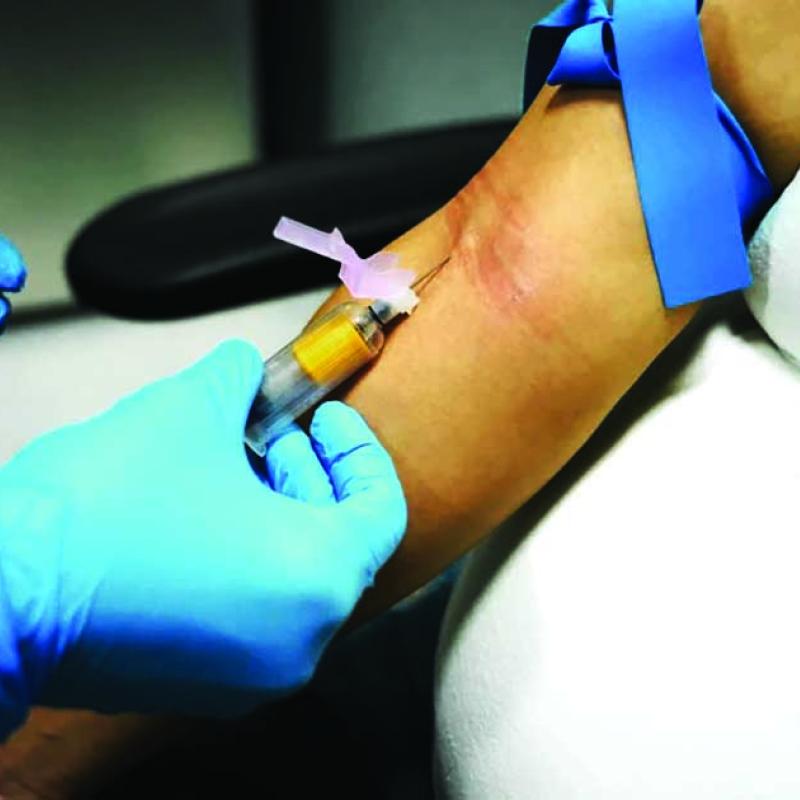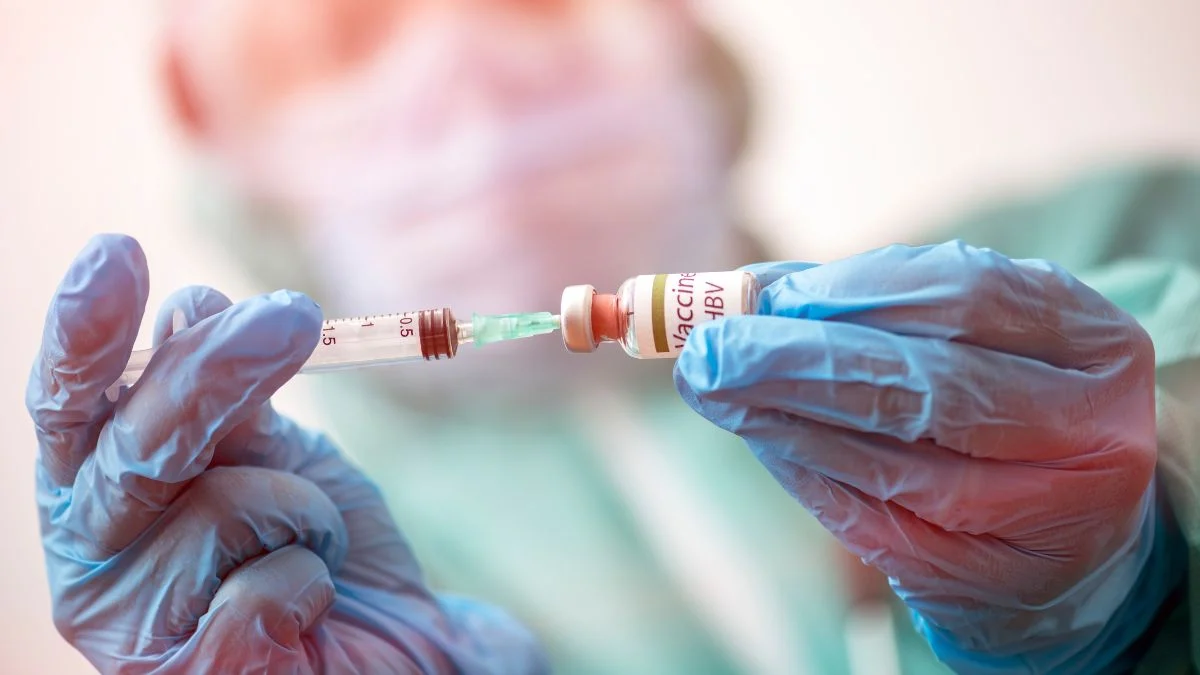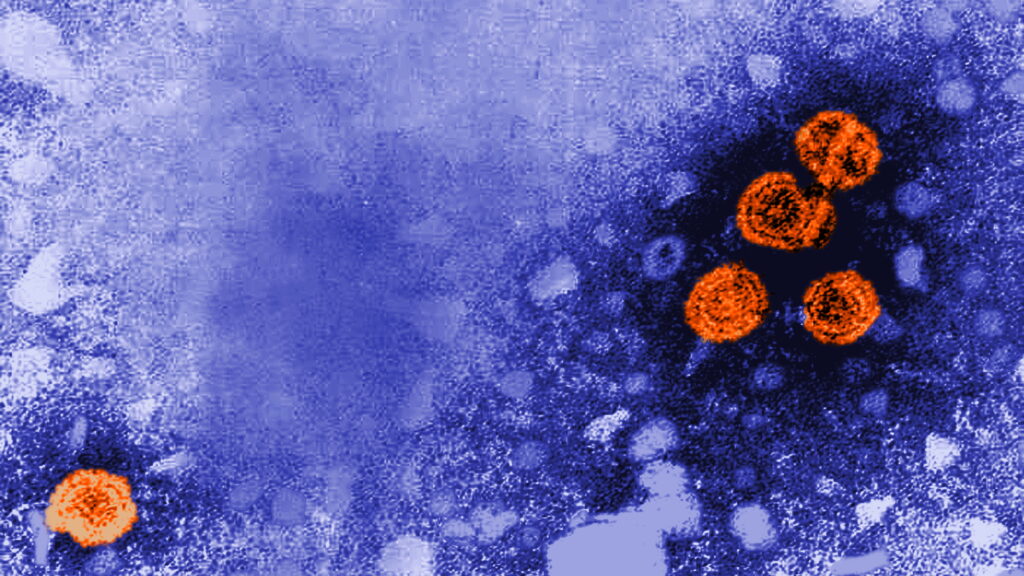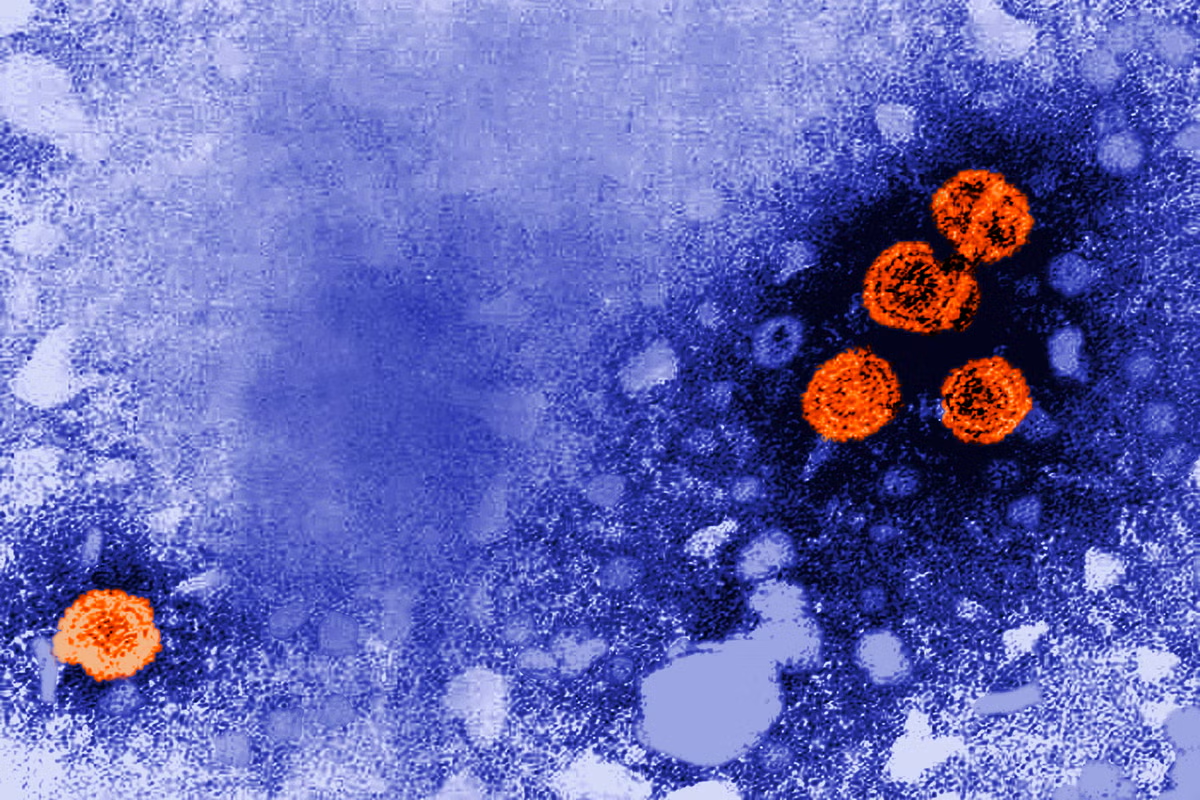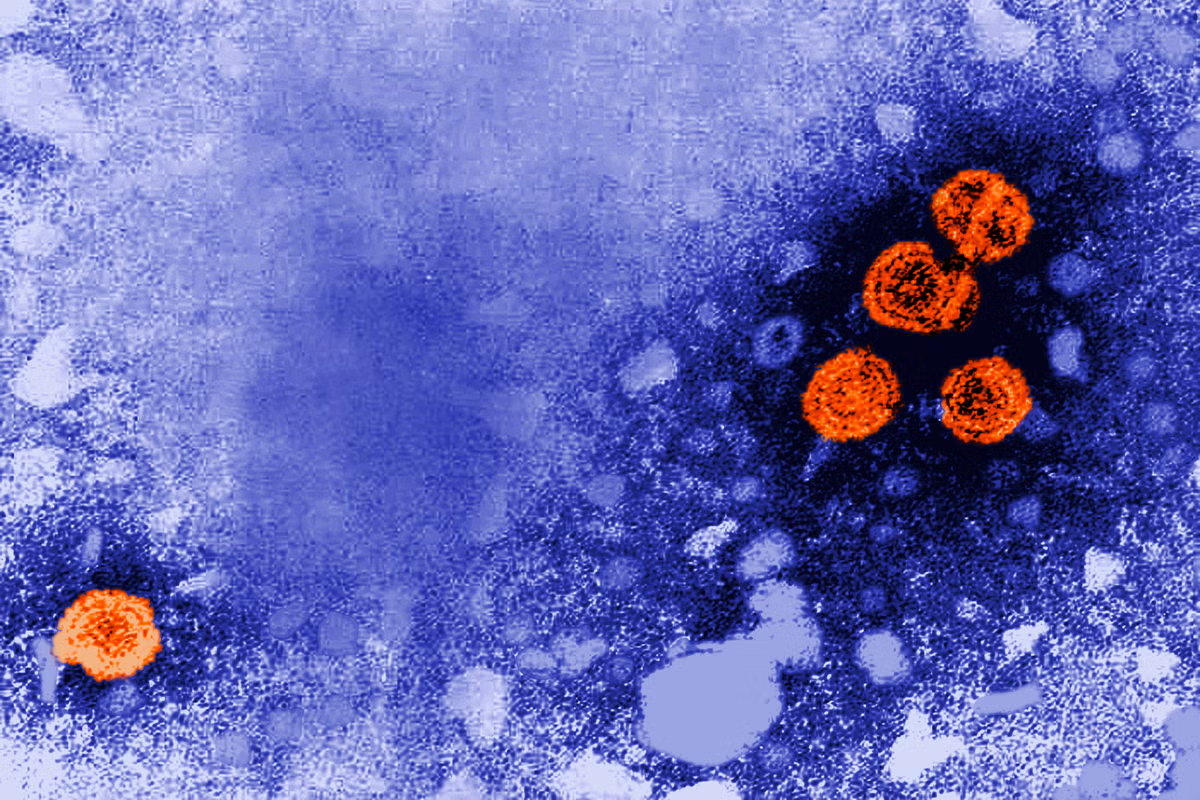
A groundbreaking new drug for hepatitis B is offering a "functional cure" for some patients, allowing them to cease treatment without showing signs of the dangerous liver virus, researchers announced on Thursday. The experimental medication, known as bepirovirsen, or "bepi," has shown promising results in two international studies, with approximately one in five participants achieving viral suppression sufficient for their immune systems to manage."We have not had a treatment which has come to this level of cure," stated Dr. Seng Gee Lim of the National University Health System of Singapore, who co-led the GSK-funded studies. The findings were presented at a scientific meeting in Barcelona, Spain, and simultaneously published in the New England Journal of Medicine.Chronic hepatitis B is a severe liver infection that can lead to liver cancer or failure, claiming an estimated 1.1 million lives globally each year. For decades, medical professionals have sought improvements to the current lifelong therapy, which can be challenging to adhere to or access in certain regions.This 1981 electron microscope image made available by the U.S. Centers for Disease Control and Prevention shows hepatitis B virus particles, indicated in orange (CDC)The new data "represent a major step," according to Dr. Anna Lok, a hepatitis expert at the University of Michigan who was not involved in the research. However, she cautioned that further study is necessary to determine the long-term duration of this remission-like state.Developed by GSK and Ionis Pharmaceuticals, bepirovirsen is currently undergoing fast-track review by the U.S. Food and Drug Administration, with a decision anticipated in October. Regulatory bodies in Japan, China, and Europe are also evaluating the drug.Hepatitis B is transmitted through contact with blood or other bodily fluids, including during childbirth, though a highly effective vaccine exists for prevention. While many infected individuals experience an "acute" illness that resolves within months, for an estimated 1.7 million people in the U.S. and over 250 million worldwide, it progresses to a chronic form that gradually damages the liver.Standard treatments, typically daily pills, aim to reduce viral levels and prevent liver damage. Yet, a true cure has remained elusive due to hepatitis B's unique ability to hide within the body, ready to resurface if therapy is discontinued.The drug is bepirovirsen, nicknamed “bepi” and developed by GSK and Ionis Pharmaceuticals (Reuters)The new drug targets hepatitis B by binding to its genetic components, thereby suppressing viral replication and the key protein known as the "S" (surface) protein, while also stimulating the immune system, explained Melanie Paff, GSK vice president.The trials involved 1,838 patients who received either a weekly bepirovirsen shot or a placebo for six months, in addition to their regular medication. If the virus remained undetectable for six months after stopping the shots, participants could then discontinue their daily pills. Researchers reported that in approximately 20% of bepirovirsen recipients, the virus remained undetectable for an additional six months after all treatment ceased – the definition of a "functional cure." No patients receiving the dummy shots achieved this outcome.Dr. Lim noted that bepirovirsen recipients who began the study with lower levels of the S protein were slightly more likely to achieve a functional cure, and he is conducting further research to understand why only some individuals respond. GSK has tracked a small cohort of patients from earlier-stage studies, finding that most continued to fare well for up to 3 years, according to Paff.Reported side effects included mild injection-site redness or pain and a temporary elevation in enzymes, which can indicate liver stress, Lim said. Dr. Lok also pointed out that the trials did not include patients with cirrhosis, high S protein levels, or other complicating factors.
FDA fast-tracks promising hepatitis B drug after ‘remarkable’ trial results
New research suggests a first-of-its-kind drug for hepatitis B may let some patients stop treatment without showing signs of the dangerous liver virus
601 words~3 min read