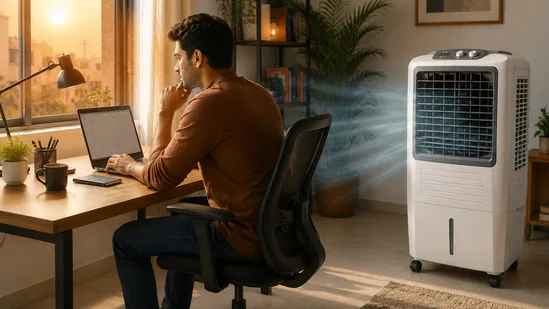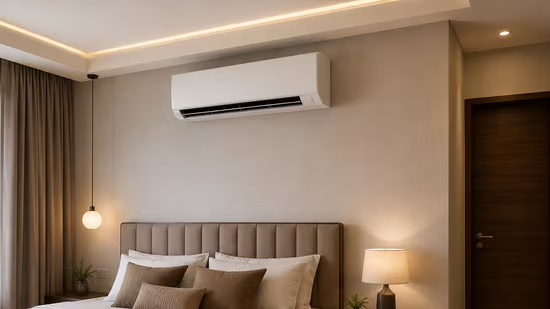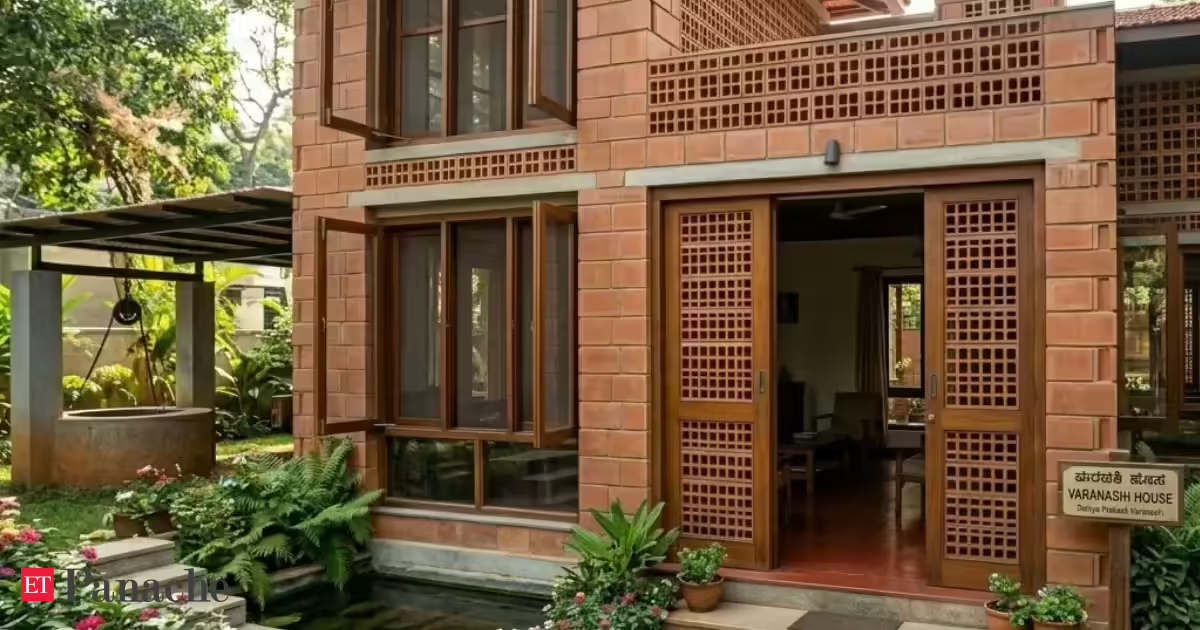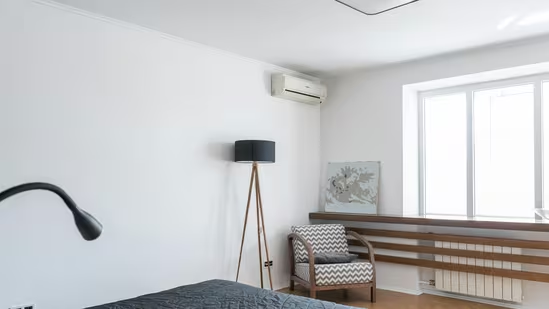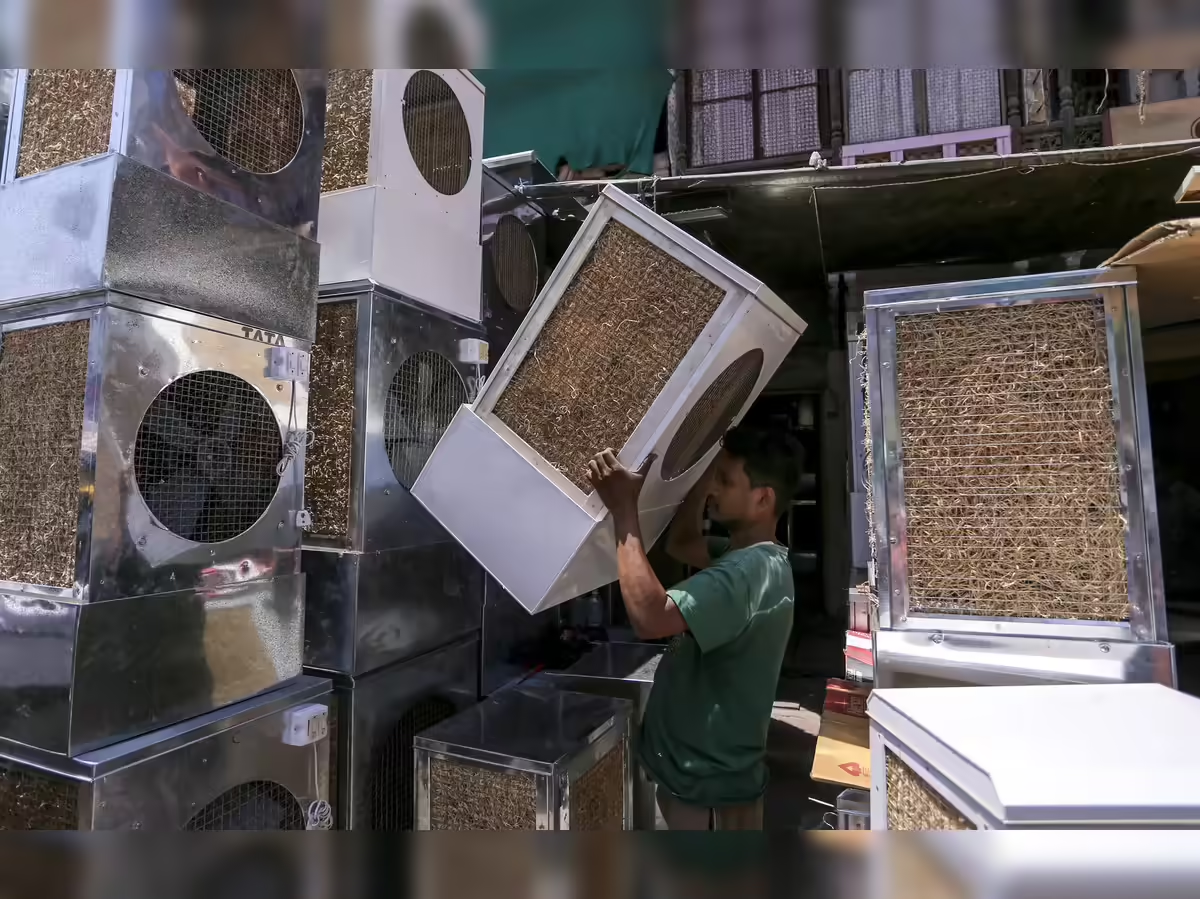
When my father retired from diplomatic service in the mid-1980s, among the items he brought back to install at home was a 2 ton airconditioner. It fitted neatly in the space under the bedroom window. Only, the low-quality wiring of my parents' standard DDA 'self-financing' flat could not take the load of the foreign AC and the whole electrical system would blow out the moment they turned it on. So it remained decorative and they made do perfectly well with aircoolers.Gigantic aluminium aircoolers, usually assembled by local vendors on site using large fans and wood-shaving pads wetted by an internal watering systems were a ubiquitous feature of north Indian homes till the 1990s. The hum of those fans could be heard even if the units were placed outside. Today, ranks of split ACs are a common sight in urban homes instead, with the swankier ones investing in central airconditioning. Air coolers have moved far down the social ladder.When my mother was growing up in the scorching heat of north India in the 1940s, neither appliance was available; instead there were khus 'tatties' or screens on the verandahs which would be doused with water so that the hot, dry 'loo' winds would be cooled and scented with vetiver before they wafted into the bungalows. The advent of ceiling fans around that time also helped the cool air circulate. Once the monsoon arrived, those screens were no longer needed. Bungalows are now an endangered species around India and verandahs are no longer a popular architectural feature. Most Indian today would not have even heard of khus tatties either; besides, with water scarce even in the metros, who would want to 'waste' it on wetting screens? Ceiling fans and air conditioners bought on monthly instalments are the easiest options, and family outings to AC shopping malls and leisure centres are the preferred peak summer activities.Yet even now, only 10% of Indian homes have airconditioning (that percentage doubles if aircoolers are included), skewed heavily in favour of urban areas, obviously. While analysts using western "models" conclude that there are "thousands of excessive deaths" every summer due to heat, it is not substantiated even by anecdotal evidence. Which implies that most Indians still weather our scorching summers like our ancestors did, by seeking other ways to stay cool.Primarily that means sticking to traditional architecture, clothing and diets that mitigate heat. Our buildings used to be made with cool materials, designed for cross-ventilation and orientated to avoid direct sunlight in summer. Our clothes were traditionally unstitched and light coloured, allowed for airflow to cool the body and protected the skin against the sun too. And our summer diets were light on spice, full of water-heavy vegetables, natural probiotics and electrolytes.Unfortunately, "progress" and globalisation have meant the jettisoning of many of these terroir-specific features by Indian city dwellers. Our urban planners, architects and builders do not care about making buildings that suit local climates, our current clothing norms also ignore the weather. And diets now hardly change according to the seasons, with spices, oil and preservative-laden convenience foods dominating our peripatetic lives. Yet we "worry" about global warming!None of these "globalised" norms can be changed in a hurry, of course. It has to be preceded by us Indians getting over our fascination for foreign prescriptions and fashions peddled under the specious excuse of modernity. Only when we come to terms with the exigencies of where we are, can we begin to think about what can be changed, and even what we can actually do without - sometimes willy-nilly as in the case of my late parents and their unusable foreign AC.
The coolest ideas are often the oldest - The Economic Times
We need to think about what can be changed and what we can do without
604 words~3 min read