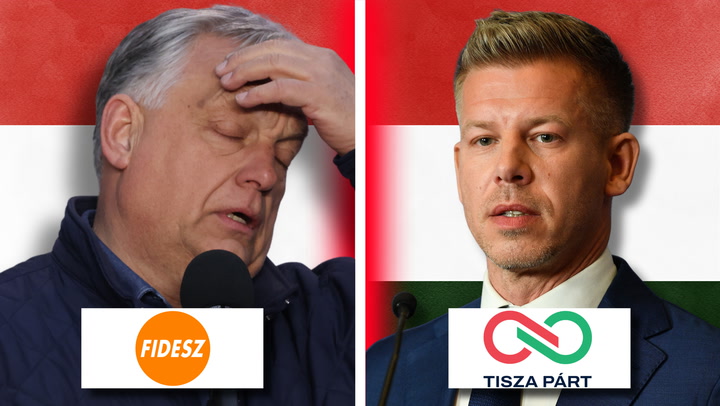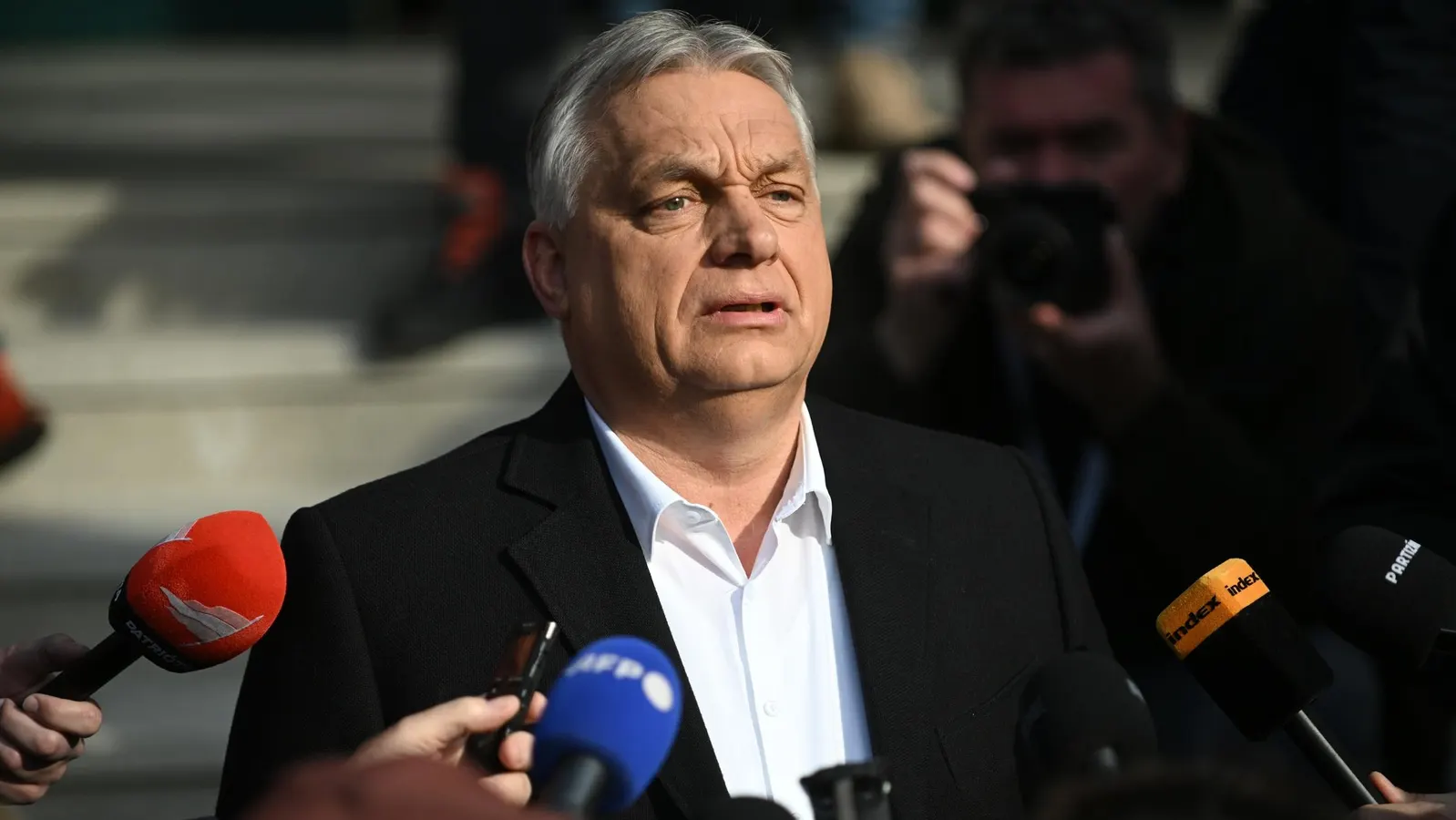
Former Hungarian Prime Minister Viktor Orban’s spectacular landslide defeat last month has been interpreted as a setback for the European right. It is not. Rather, it is the most recent signal of a deeper trend in the democratic West: the transformation of the far right into a populist-inflected conservatism.
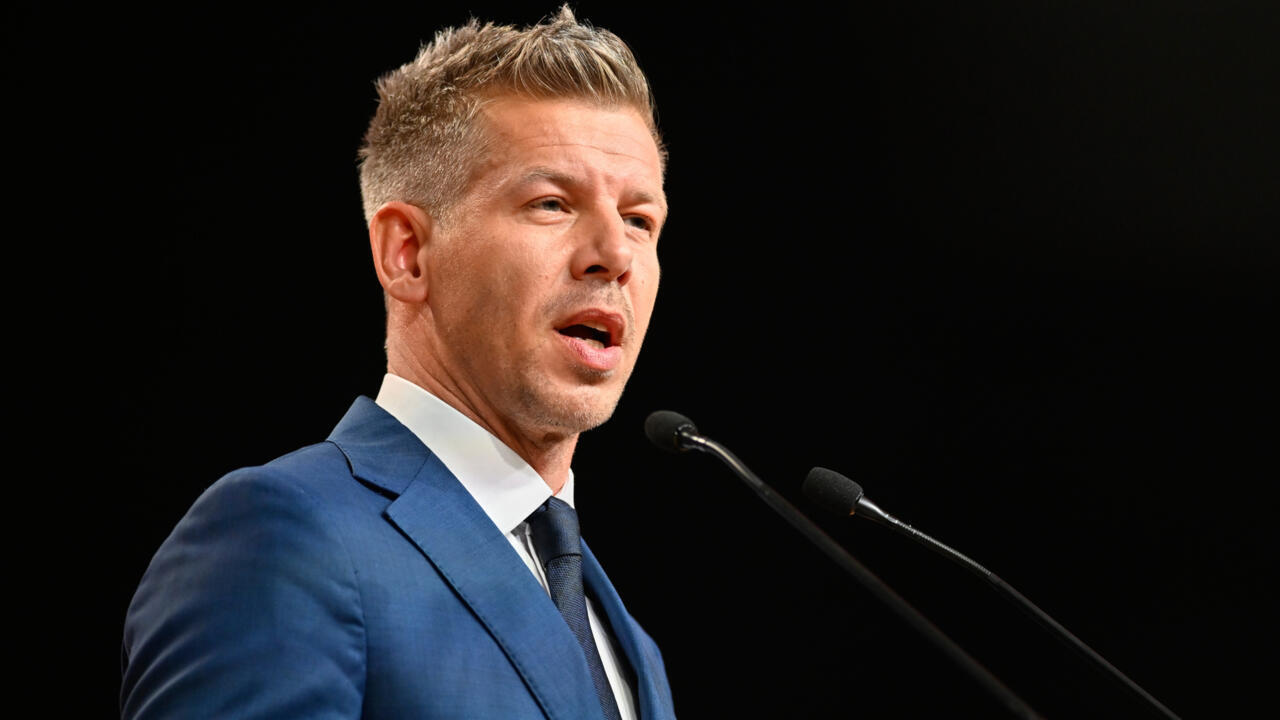
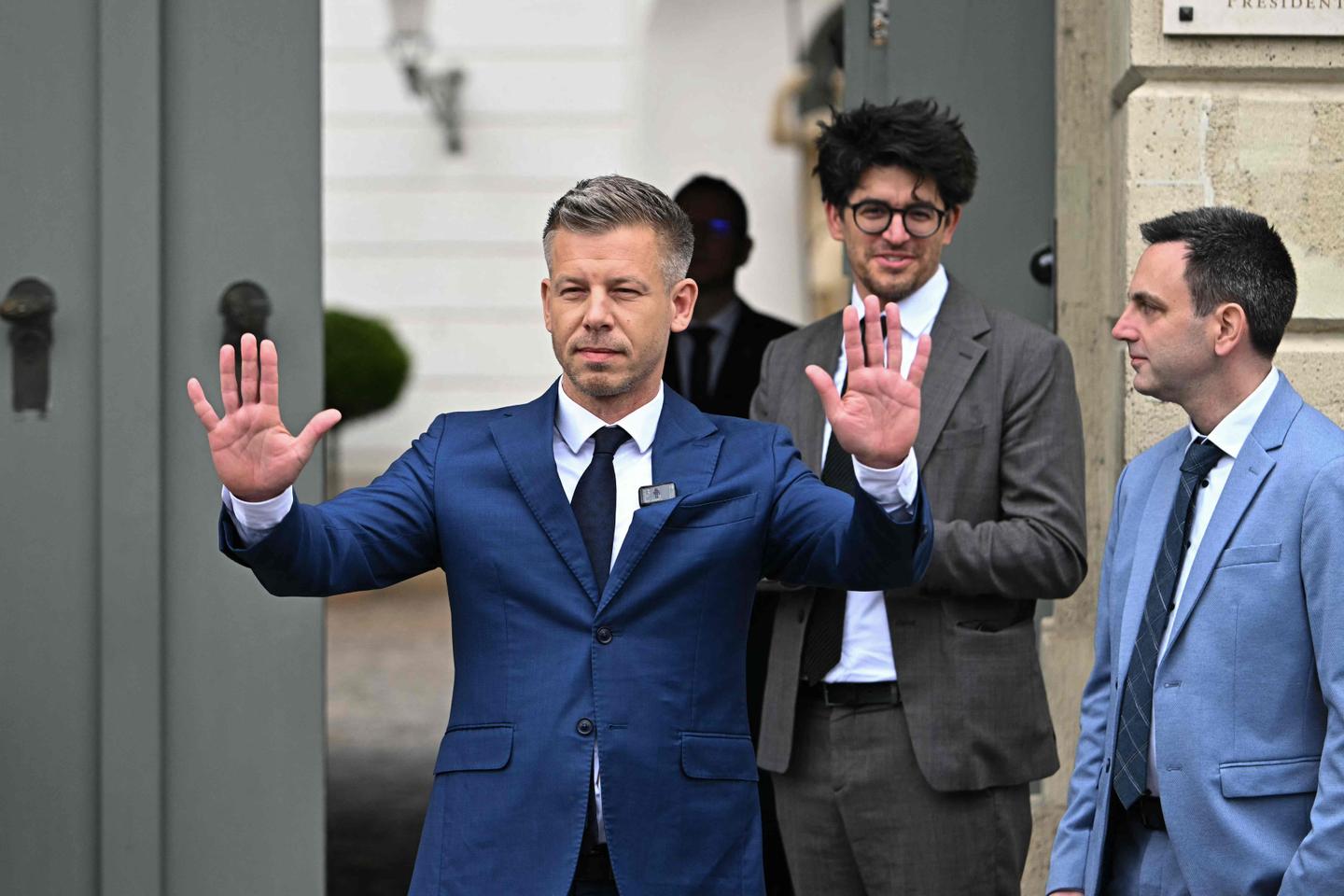
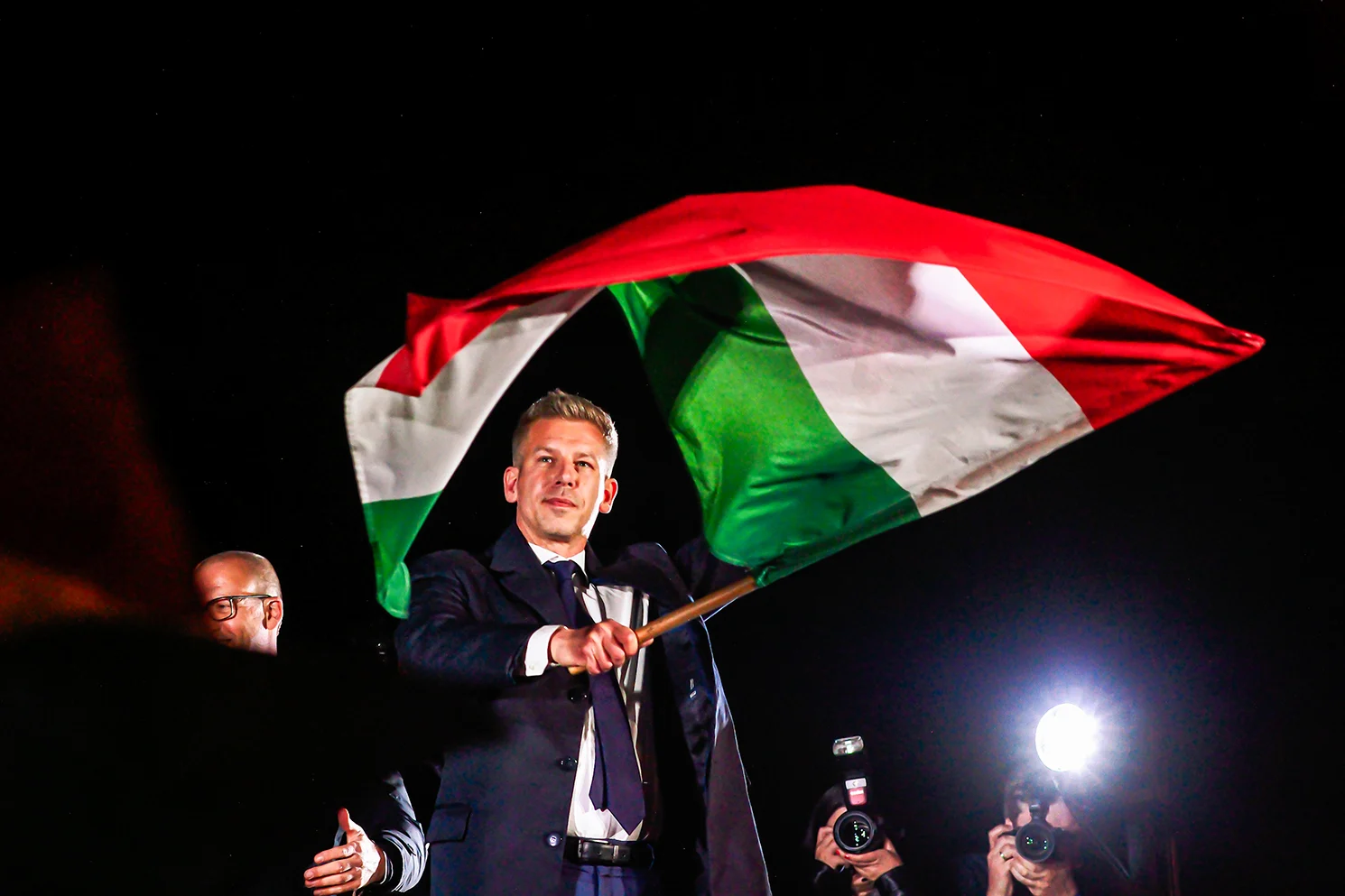
Sworn in as Orban’s successor on May 9, Peter Magyar is neither a liberal nor a centrist. He waged an election campaign from the moderate right, retaining a populist emphasis on national sovereignty, national identity, and strict control over immigration. Rather than challenge populist and conservative themes, he focused his attacks on Orban’s centralization of power, rigging of the electoral system, and growing cronyism and corruption.
In a sharp challenge to Orban’s authoritarian rule, Magyar made the case for checks and balances and the rule of law, called for an end to government dominance over the media, and rejected Orban’s role as Europe’s spoiler. Instead of anti-Brussels rhetoric, Magyar argued for the constructive defense of Hungary’s sovereignty and national interests inside European Union and NATO institutions. Above all, he repudiated Orban’s dalliance with and reliance on Moscow, soberly seeing Russian President Vladimir Putin’s regime as a threat to European peace and security.