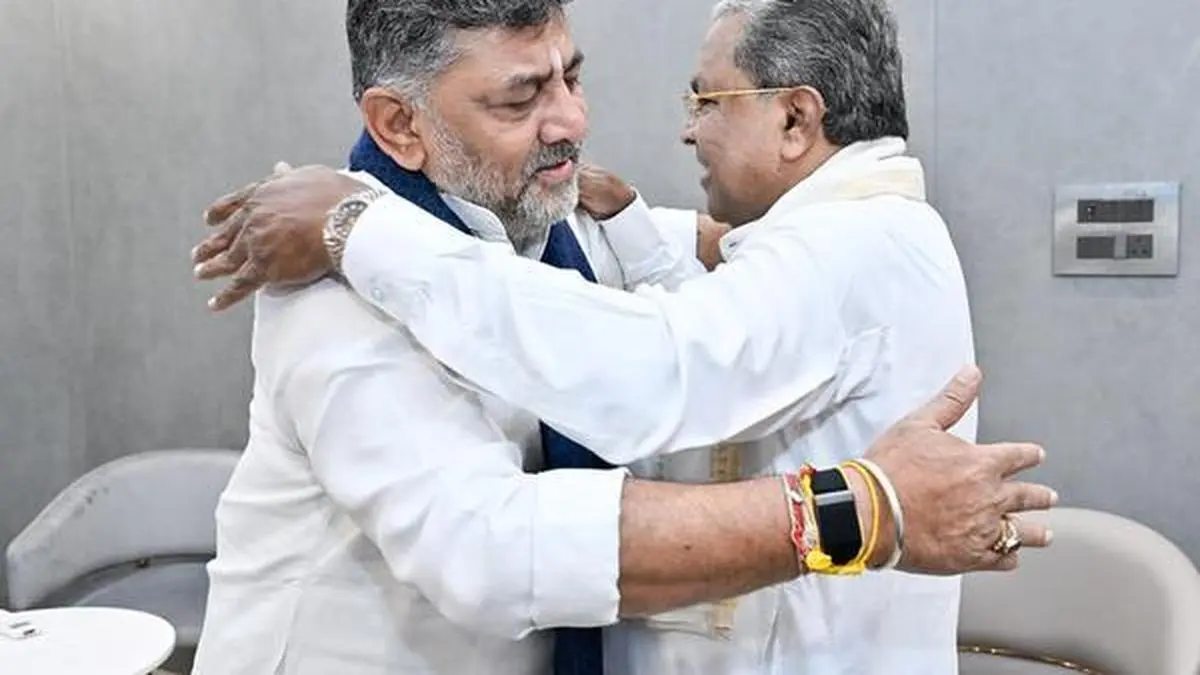
Power shiftKarnataka’s citizens voted for a stable five-year government, not a game of musical chairs at Vidhana Soudha (Front page, “Power shift in Karnataka as Siddaramaiah resigns”, May 29).The State is navigating crucial economic pressures and public infrastructure demands. With a new Chief Minister at the helm, the administration must urgently move beyond internal party politics and focus on governance. For the Indian National Congress party to regain its past glory, its leadership must undertake rigorous and unsparing introspection. It should begin with Karnataka.Kshirasagara Balaji Rao,HyderabadCrisis in educationThe recurring turmoil around NEET leaks, glitches in the CBSE’s online evaluation systems and the clumsy handling of the three-language formula expose a deeper malaise in India’s education governance: an armchair bureaucracy insulated from the anxieties of students. Policies affecting millions of impressionable young minds are drafted in administrative silos, with little thought to psychological consequences or ground realities.India’s education apparatus remains excessively centralised, rule-bound and obsessed with compliance over empathy. A generation pitted in a hyper-competitive ecosystem cannot be managed through dated bureaucratic reflexes.Educational governance needs more academic leadership, technological competence and emotional intelligence. When systems repeatedly fail students, the problem ceases to be technical. It becomes institutional indifference.R. Narayanan,Navi Mumbai Published - May 30, 2026 12:24 am IST
Letters to The Editor — May 30, 2026
Readers' mail to The Hindu's Letters to The Editor
TL;DRAI
Karnataka CM Siddaramaiah resigned amid party pressure; NEET leaks and CBSE evaluation failures reveal India's public governance as over-centralised and tech-deficient. Govtech players see the gap: public institutions need digital competence over compliance-first bureaucracy.
207 words~1 min read