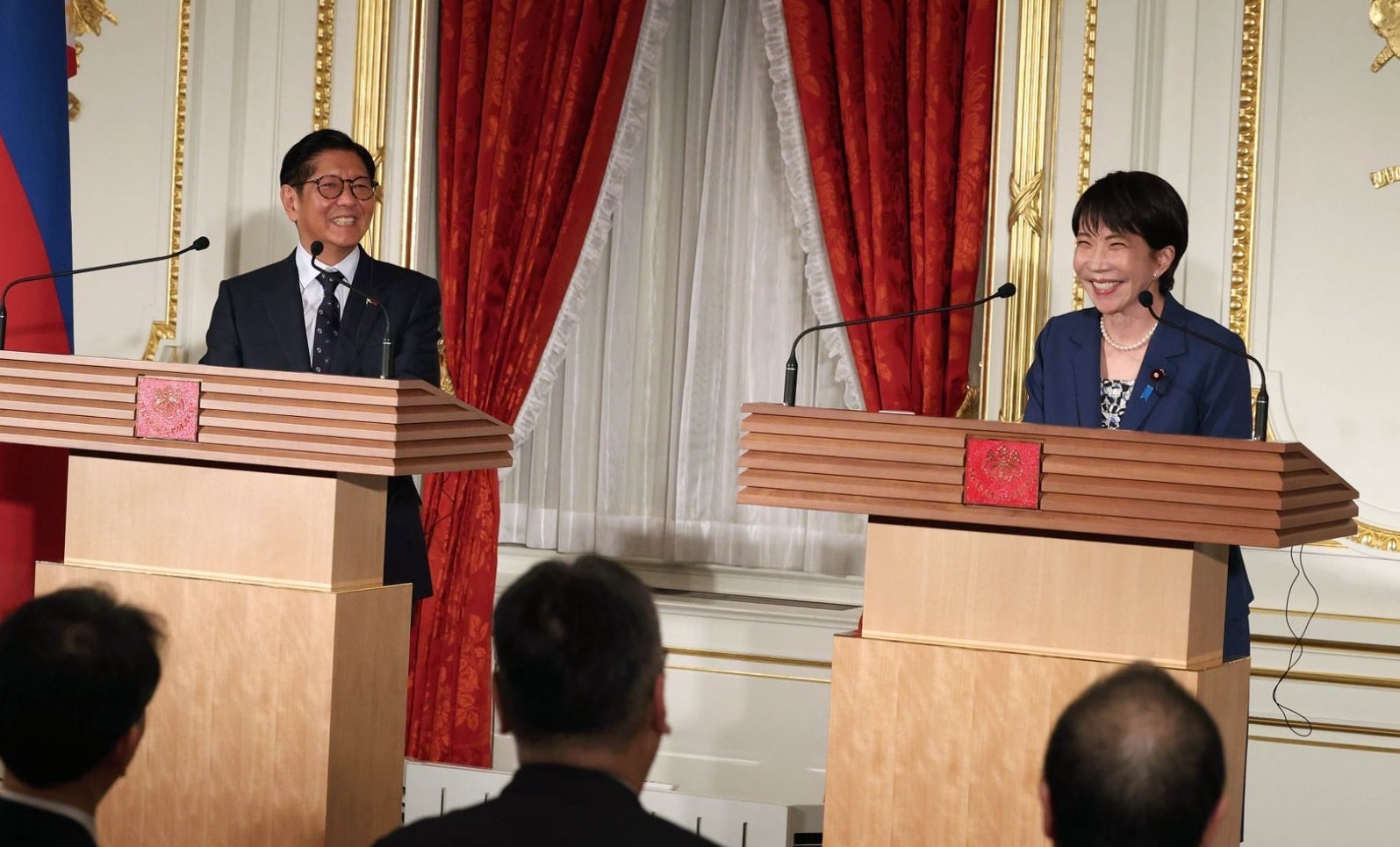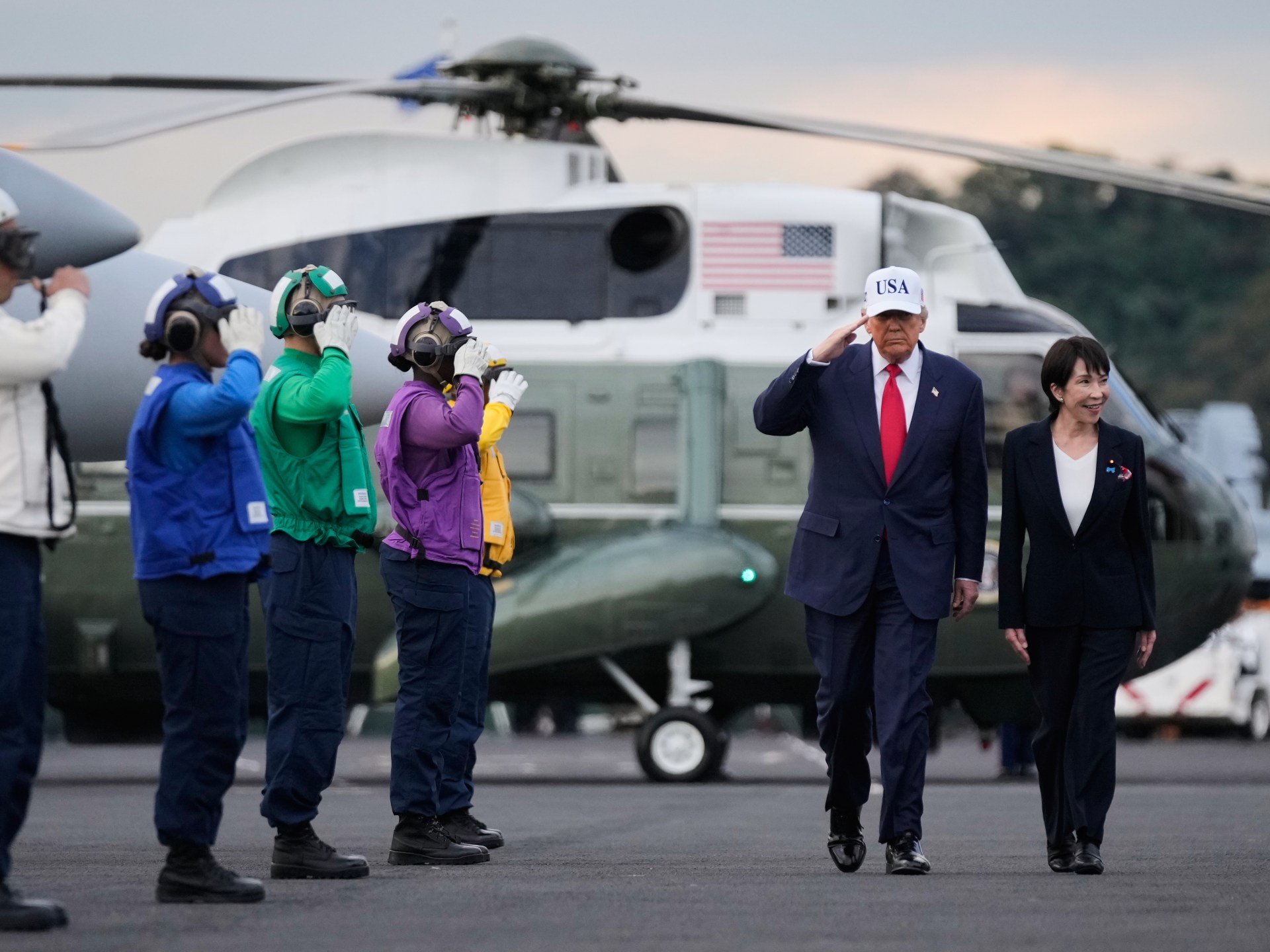
In Japan, there are 76 exclusive-use U.S. military bases, hosted at the invitation of the Japanese government under the 1960 Treaty of Mutual Cooperation and Security between the United States and Japan. Despite occasional disagreements over how much money Japan should contribute to the alliance, both Tokyo and Washington have long supported this military presence. In her most recent meeting with U.S. President Donald Trump in March 2026, for example, Japan Prime Minister Takaichi Sanae promised, “Going forward, I will continue to work with President Trump to elevate the Japan-U.S. alliance to further heights.”
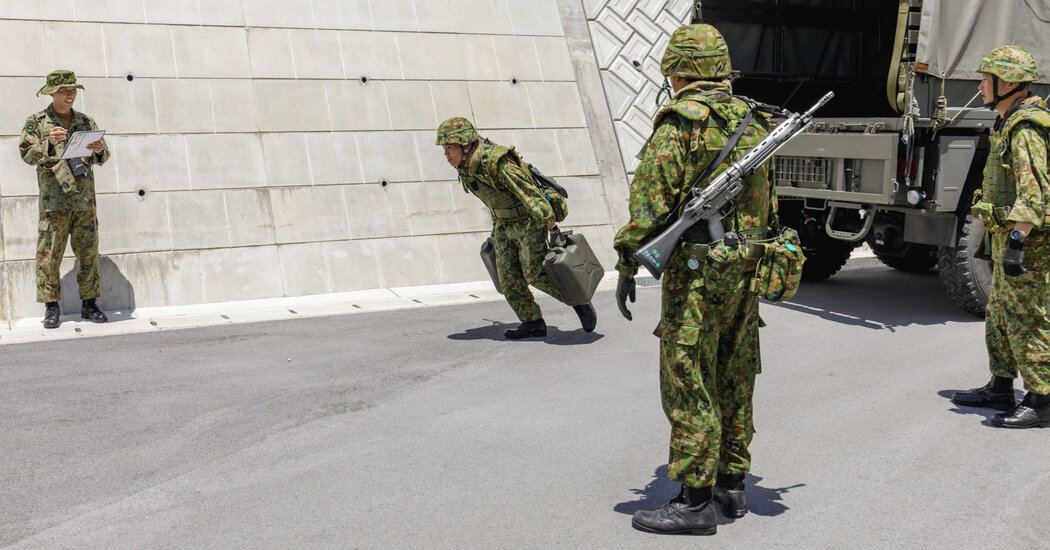
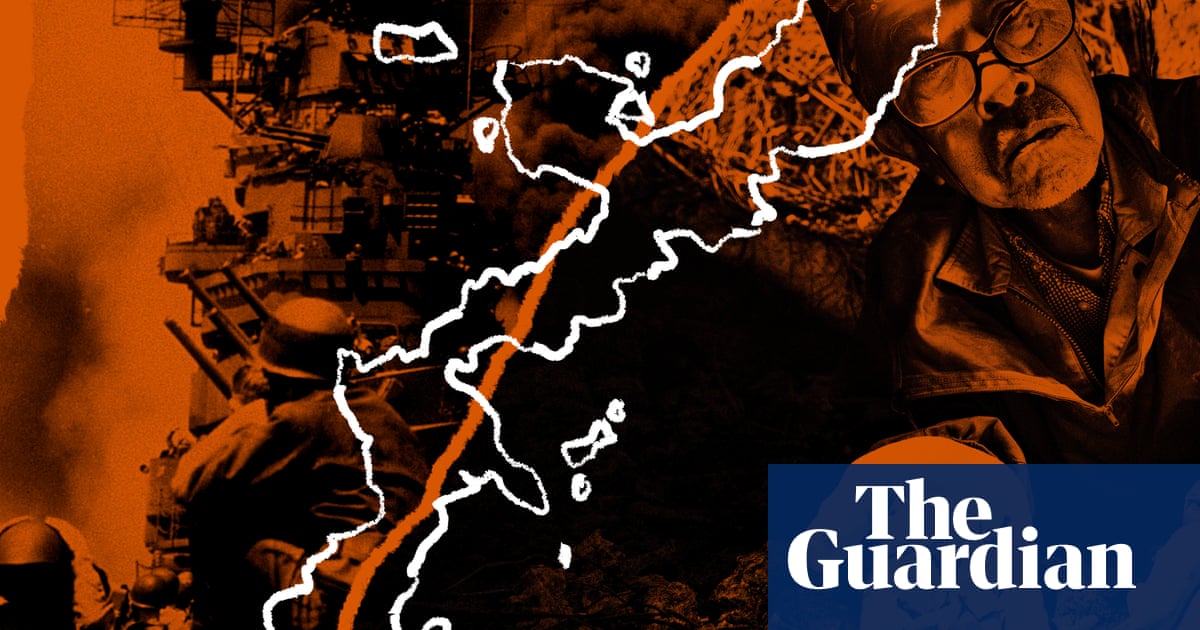
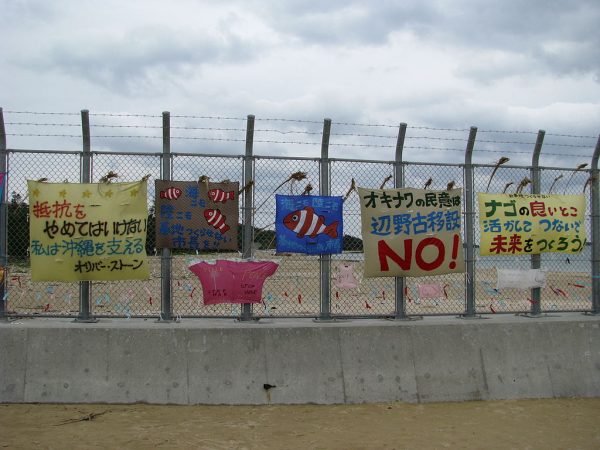
However, the U.S. military presence in Okinawa Prefecture is more controversial. Although the islands consist of less than 1 percent of Japan’s total land mass, by area they host 70 percent of the U.S. military footprint in Japan. As a result, Okinawans bear the burden of military crimes, noise, and environmental damage; moreover, the bases hinder the local economy and infrastructural improvements. Many residents believe that the concentration of these bases in their communities is unfair – and that the U.S. bases should be redistributed more evenly throughout the country.
In a new book, Jon Mitchell – a journalist with Okinawa Times – draws upon his 16 years of experience reporting about Okinawa to explore how the islands came to host the bulk of the U.S. military presence in Japan. In the excerpt below, Mitchell discusses some of the arguments and misconceptions about the current U.S. military presence in Okinawa. The text has been revised from its original version for conciseness.