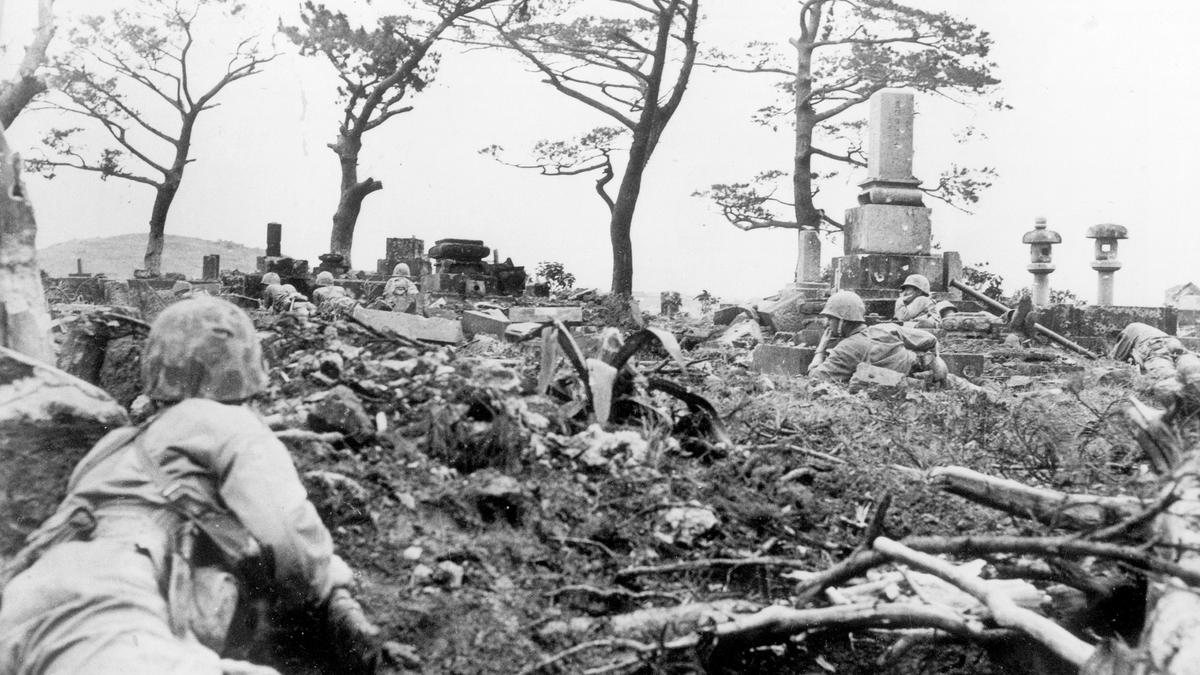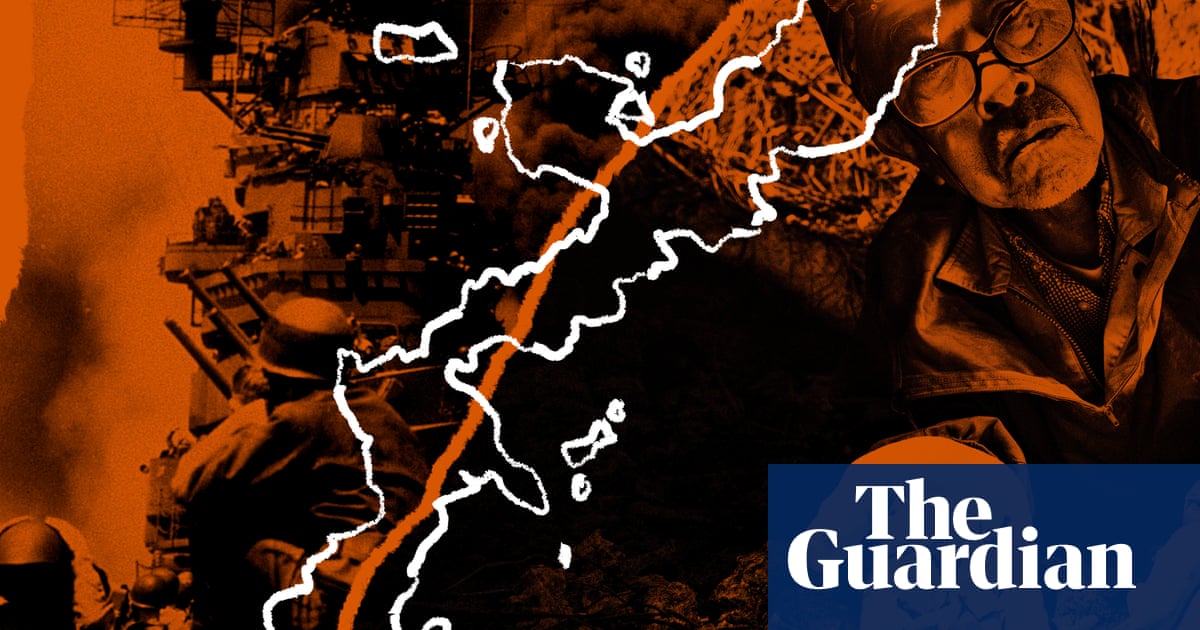
The island of Okinawa witnessed the bloodiest battle of the Pacific War
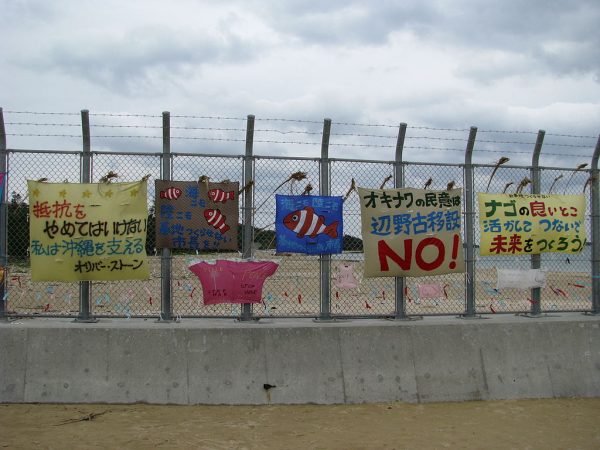
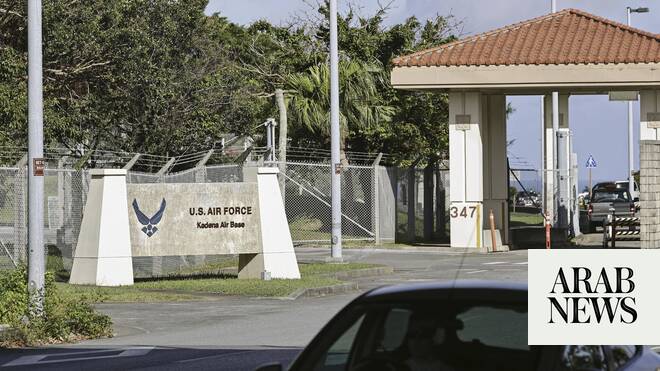
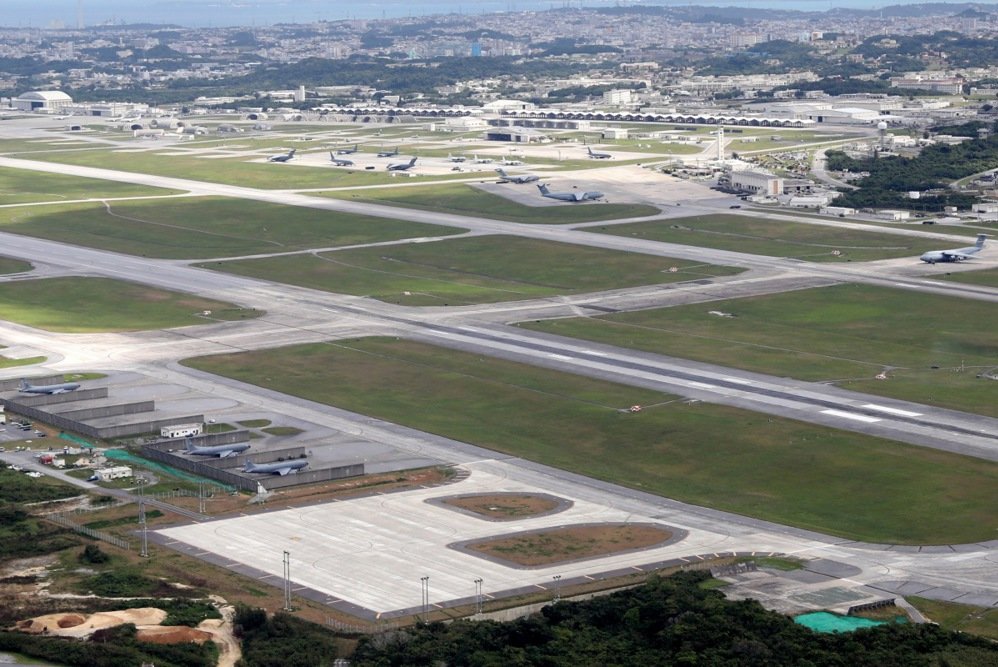
Today, it is home to almost 50,000 American troops; the frontline in any conflict with China or North Korea
Takamatsu Gushiken searches for the remains of thousands of soldiers and civilians who are still buried in the soil and rock of Okinawa
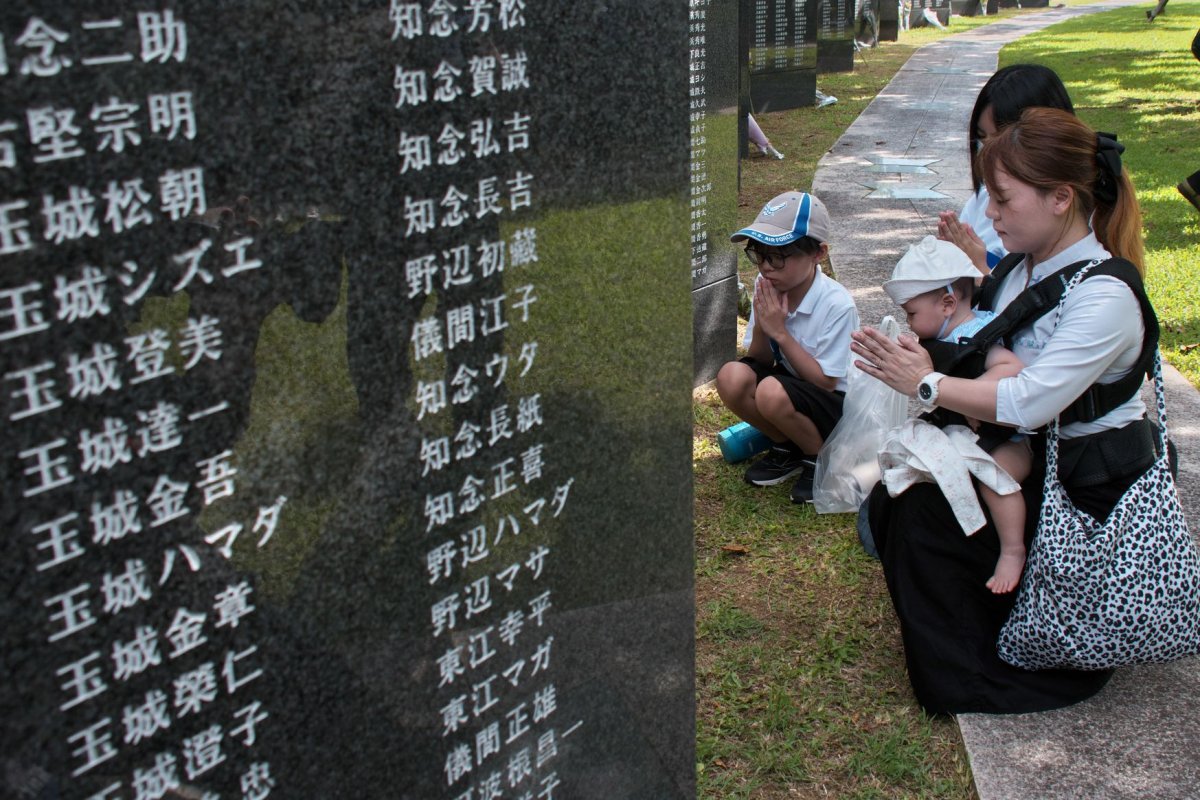
A quarter of Okinawan civilians died – many after being told to kill themselves, or from starvation. But the hunt for their remains is being complicated by some modern-day inhabitants: tens of thousands of US soldiers
Today, the tranquility of this road dissecting the Okinawan jungle is broken only by occasional passing cars and wind rustling through the foliage. For centuries it was a well-worn bridleway in the town of Itoman, on the island’s south-west coast. But 80 years ago, the clip of hooves gave way to the crackle of gunfire, when this sub-tropical Japanese island 1,000 miles south of Tokyo became the scene of the bloodiest battle of the Pacific war.