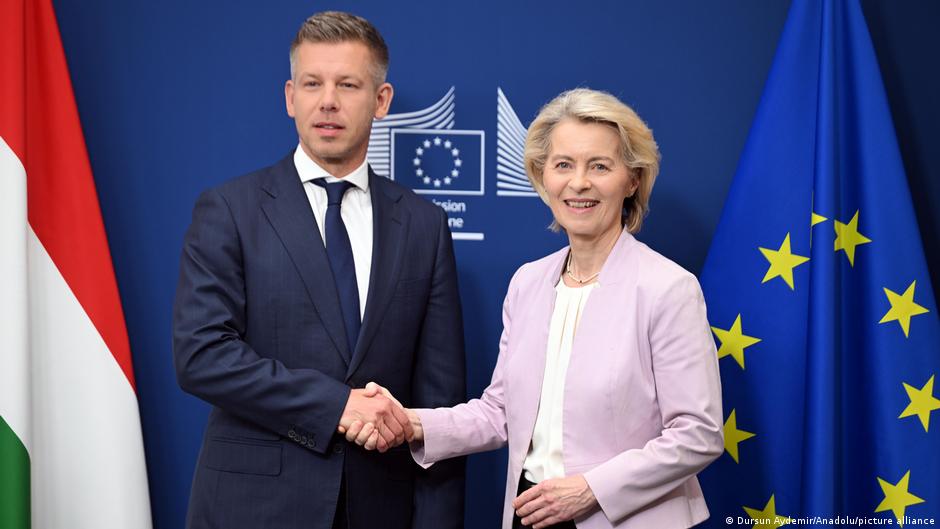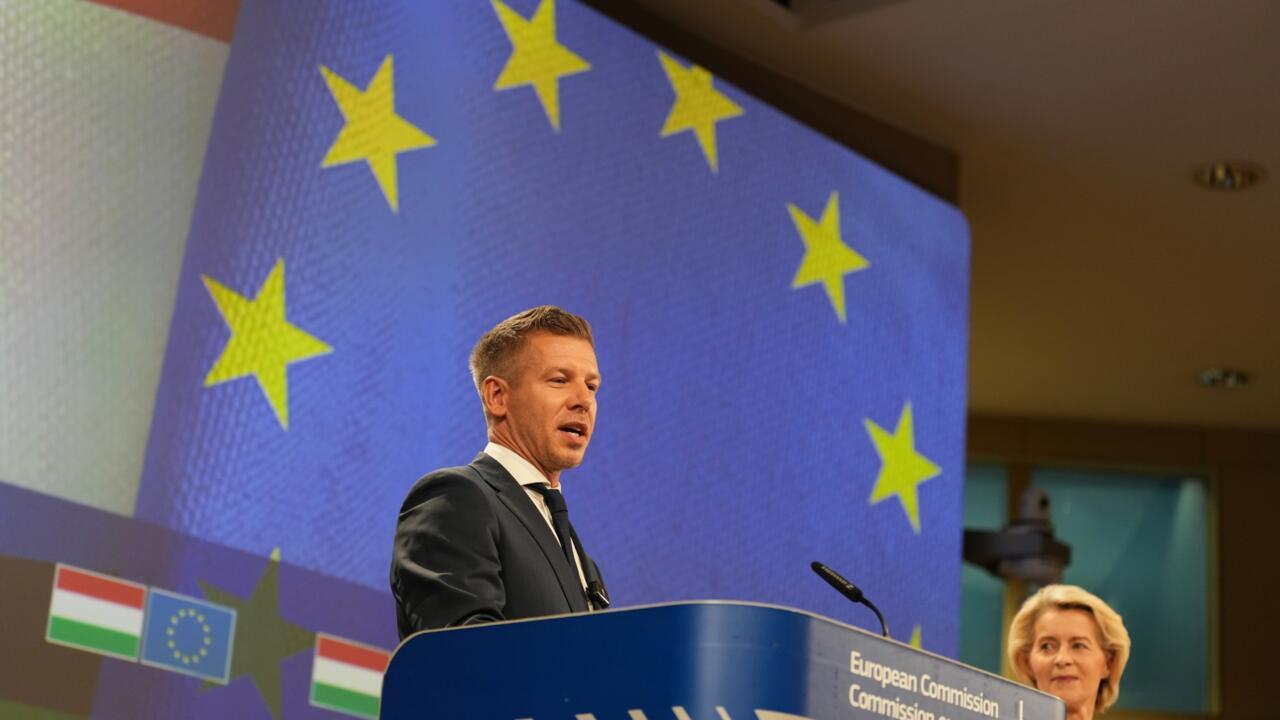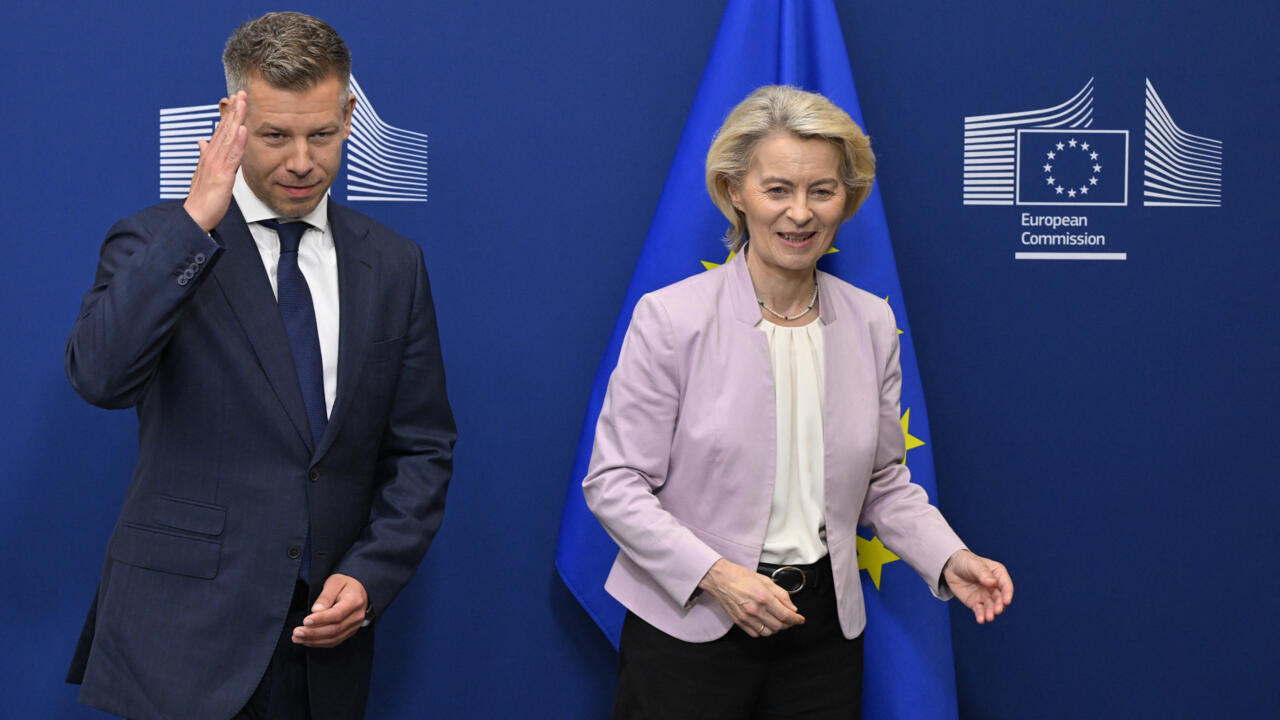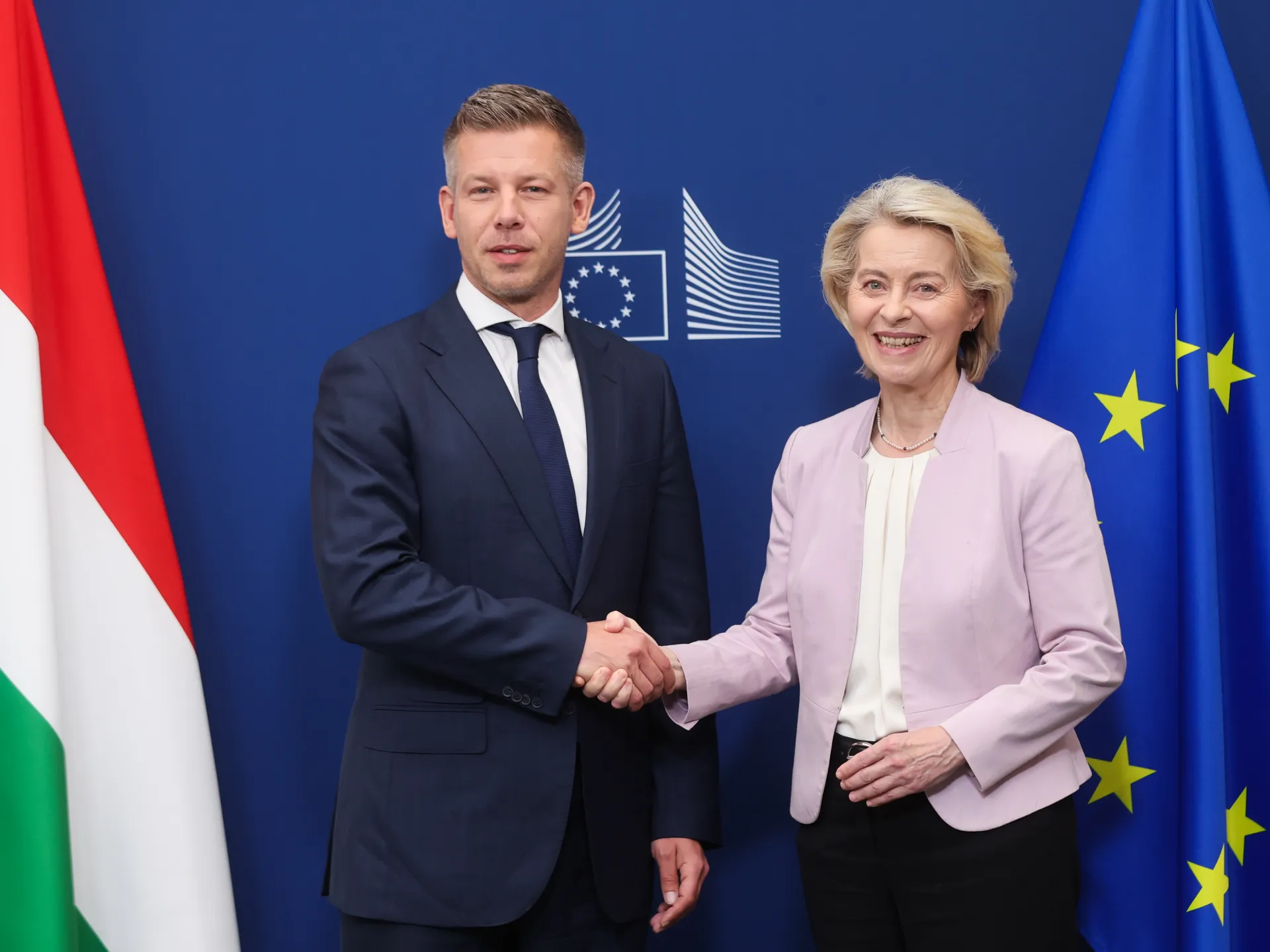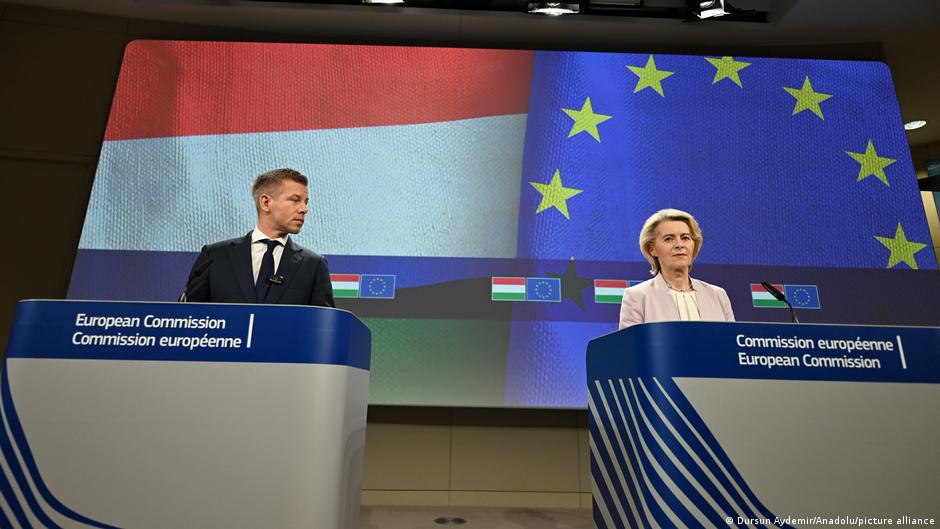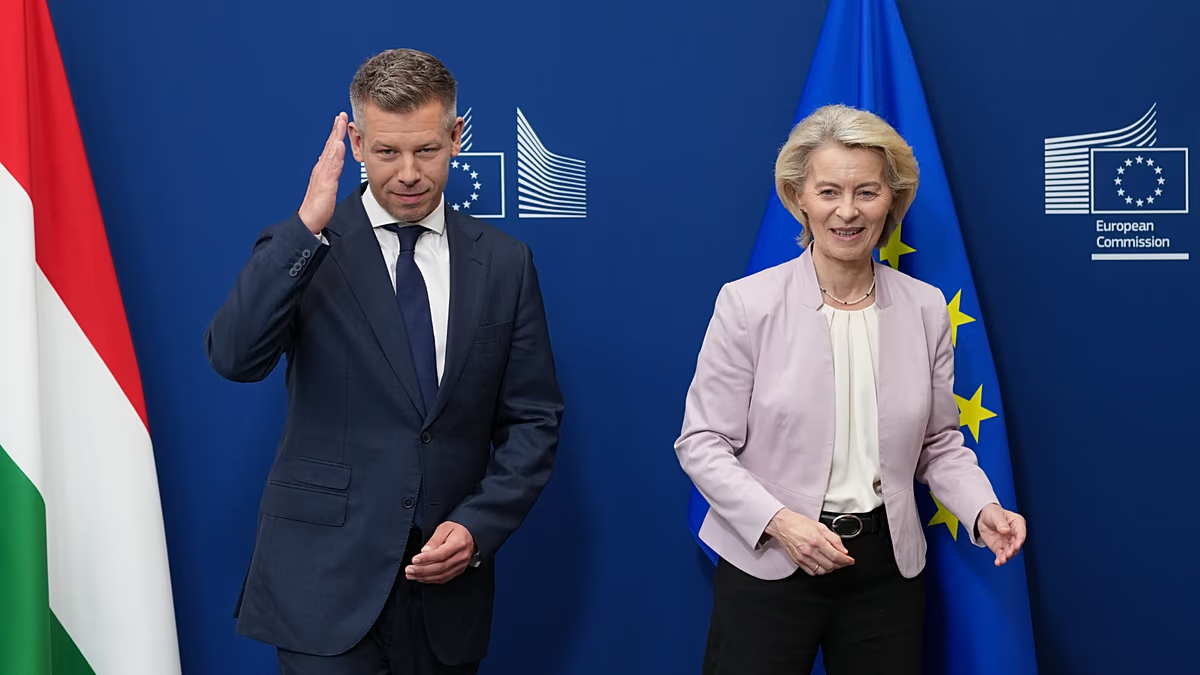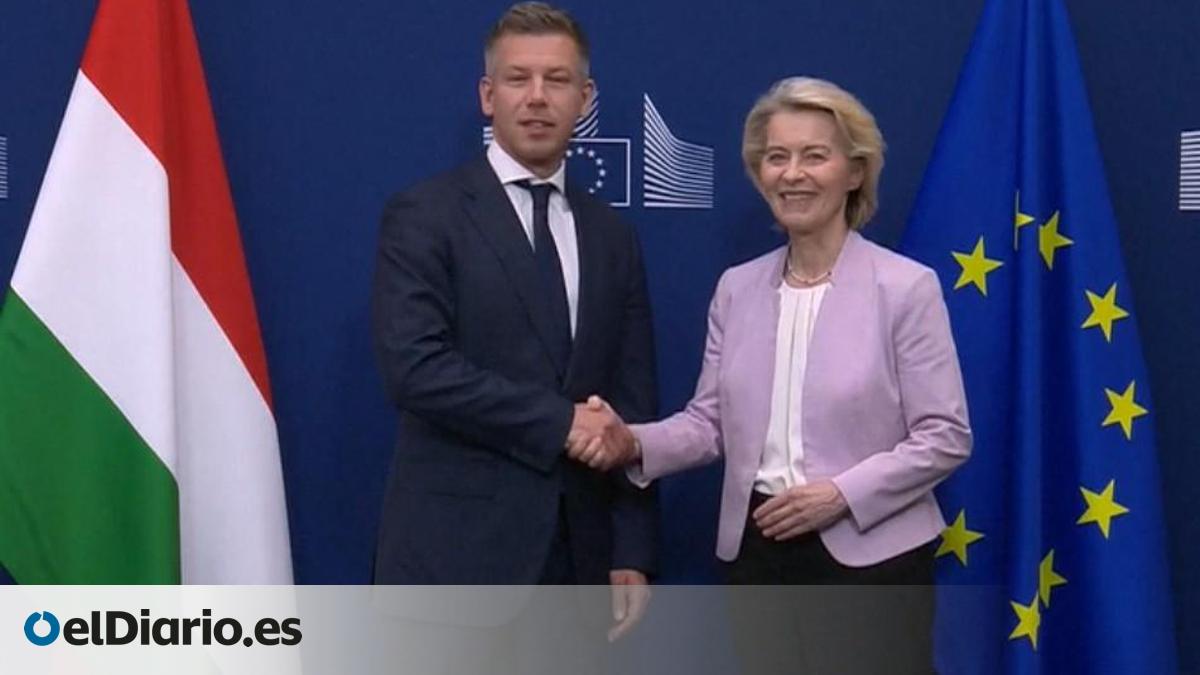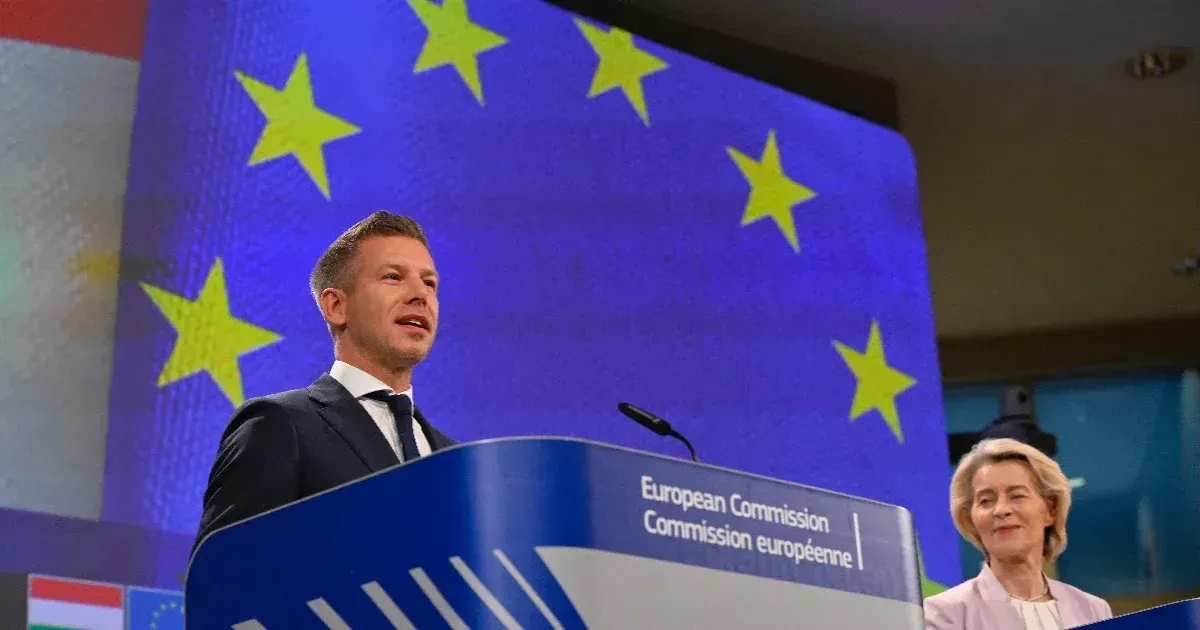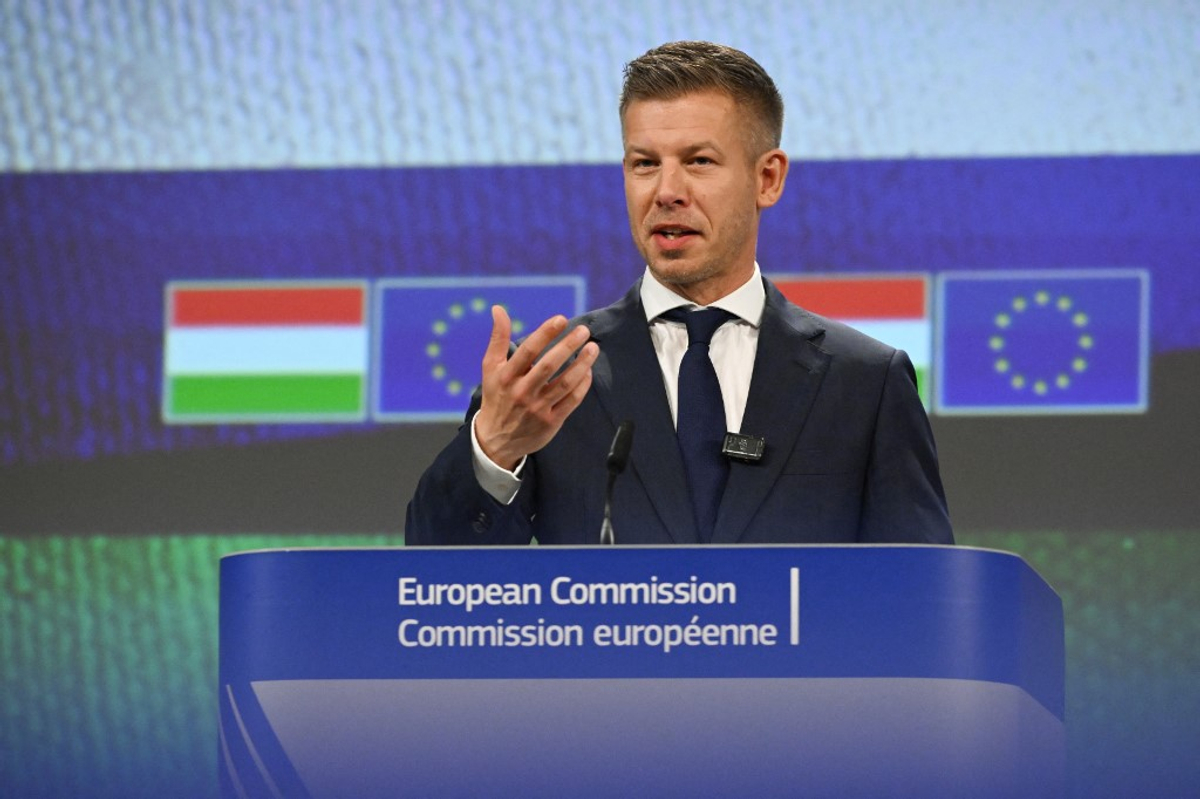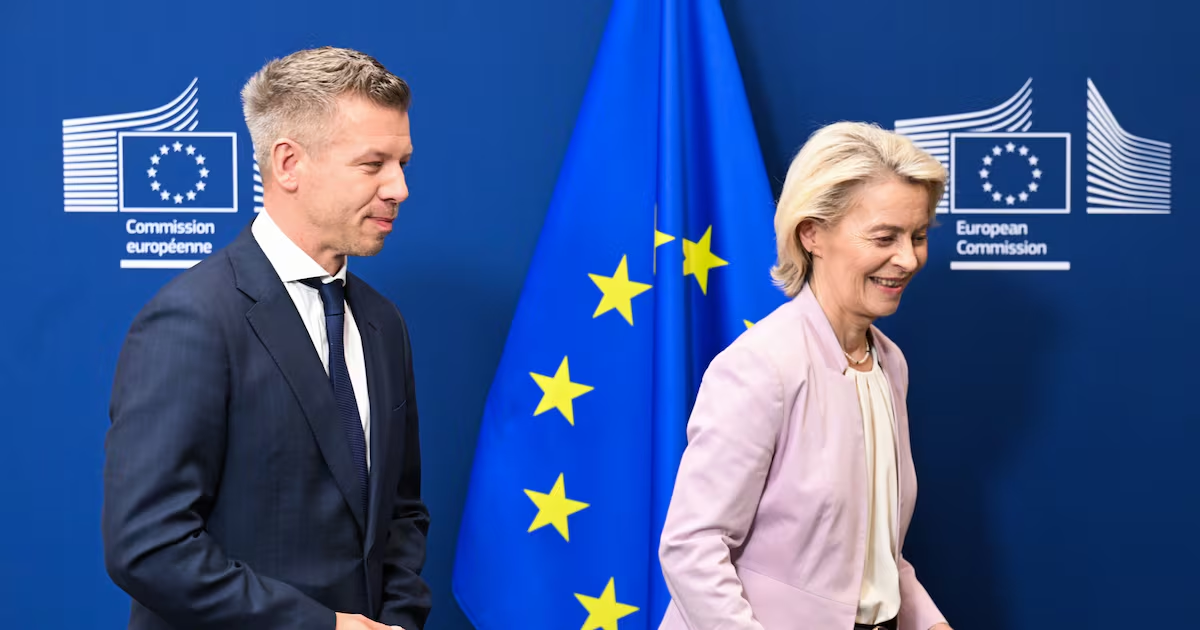
April 12th is a date that European Commission president Ursula von der Leyen said she will fondly remember for a very long time. It’s the day Hungarians voted far-right prime minister Viktor Orbán out of office in parliamentary elections, ending the populist politician’s 16-year stint in power. The Hungarian people “chose to return to the very heart of our union where they belong”, von der Leyen said this week, as she welcomed the new prime minister Péter Magyar to Brussels.During his long stint in power Orbán oversaw a regime that rolled back the rule of law, attacked LGBT+ minorities and migrants, allowed corruption to fester and spread, and frustrated EU efforts to aid Ukraine. There were no tears shed inside the commission’s Berlaymont offices at his defeat.Magyar will remember Friday, May 29th as one of the better days in the first few weeks of his new pro-EU government. The European Commission agreed a plan to release up to €16 billion in EU cash owed to Hungary, which had been frozen over concerns about corruption and democratic backsliding under Orbán. Magyar, a former insider who broke with Orbán to launch an opposition movement, swept to victory on an anti-corruption platform that promised to repair the central European country’s damaged relations with Brussels and turn back on the money tap. His Tisza party, which won a striking supermajority in the elections, took office earlier this month with a huge to-do list. One date loomed very large in the calendar of the untested administration: August 31st. That’s the deadline after which Hungary would lose the chance to claim €10 billion in EU grants and loans set aside for them in a pandemic recovery fund, which Orbán had been blocked from touching. Magyar will have to demonstrate that his government has pushed through key structural reforms, particularly around corruption and the rule of law, to satisfy the commission enough to release the funds. It’s a case of use it or lose it, kicking off a rush to make significant changes in a window of just 3½ months. Speaking after their meeting, von der Leyen announced the commission would “unlock” €10 billion in EU funds, subject to reforms being completed by that August deadline. “We haven’t agreed to disperse the funds. We’ve agreed on a list of commitments, which if completed by the 31st of August, will trigger the payment of those funds,” one senior commission official involved in negotiations said. “We believe that all the reforms and investments on which we have an agreement can be achieved.” That is going to be a huge job for the fledgling Magyar government. An overhaul of the country’s pension system sought by Brussels officials was viewed as an unrealistic demand in the short time frame, so that has been deferred. [ How Europe is preparing for potential Ukraine talks with PutinOpens in new window ]The deal also opens the door to Hungary claiming another basket of frozen development funding, worth several billion euro, although that is less time sensitive. Magyar said his team spent many late nights scrambling to put together a reform plan to present to commission officials. A dialogue between the commission started before he was even sworn in as prime minister. “There were some points when I thought it was hopeless and not feasible so quickly,” he told reporters. A promise that Hungary would join the European Public Prosecutor’s Office built early goodwill. There is a feeling Magyar is genuine about tackling corruption. The Hungarians have had to detail exactly how the EU money will be spent. They hope to use funds to finance a big upgrade of their creaking energy grid and invest in the rail network. There could not be any “short cuts”, von der Leyen said in a joint press conference after their meeting, but Hungary was “turning the page”.
EU agrees plan to unblock €16bn in frozen funds to Hungary
New Hungarian government commits to rush through structural and anti-corruption reforms before end of August
639 words~3 min read