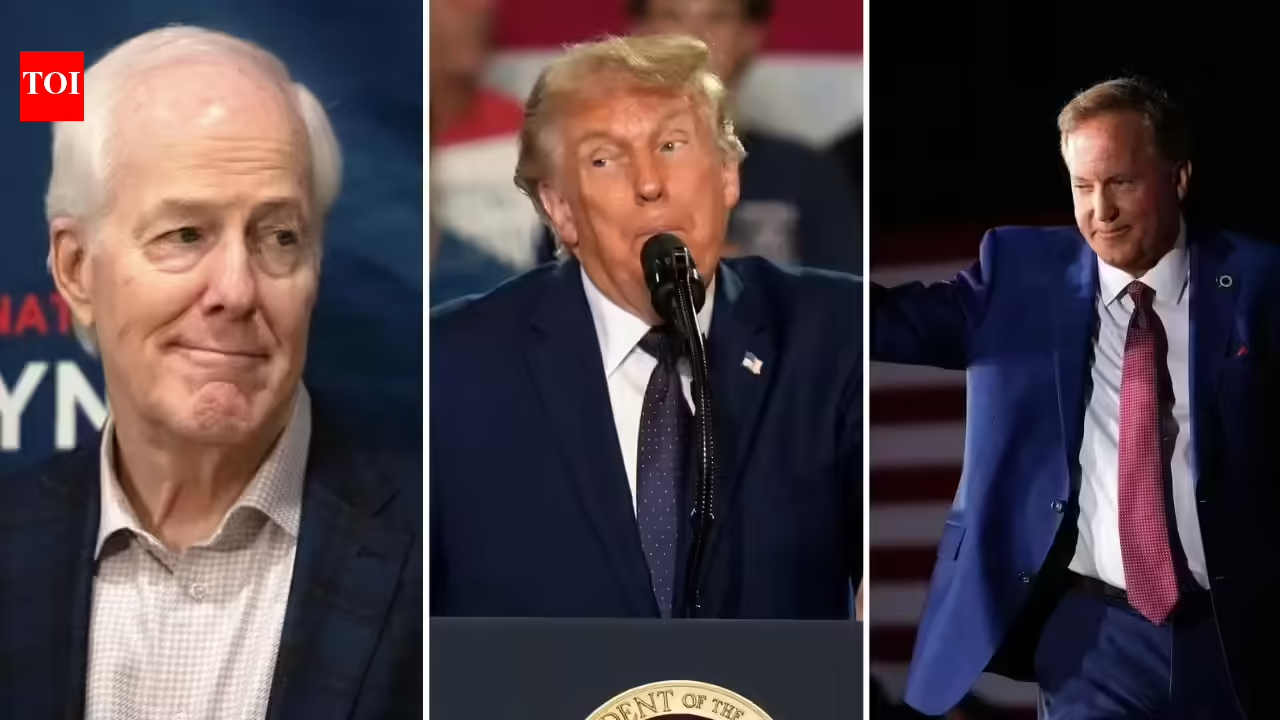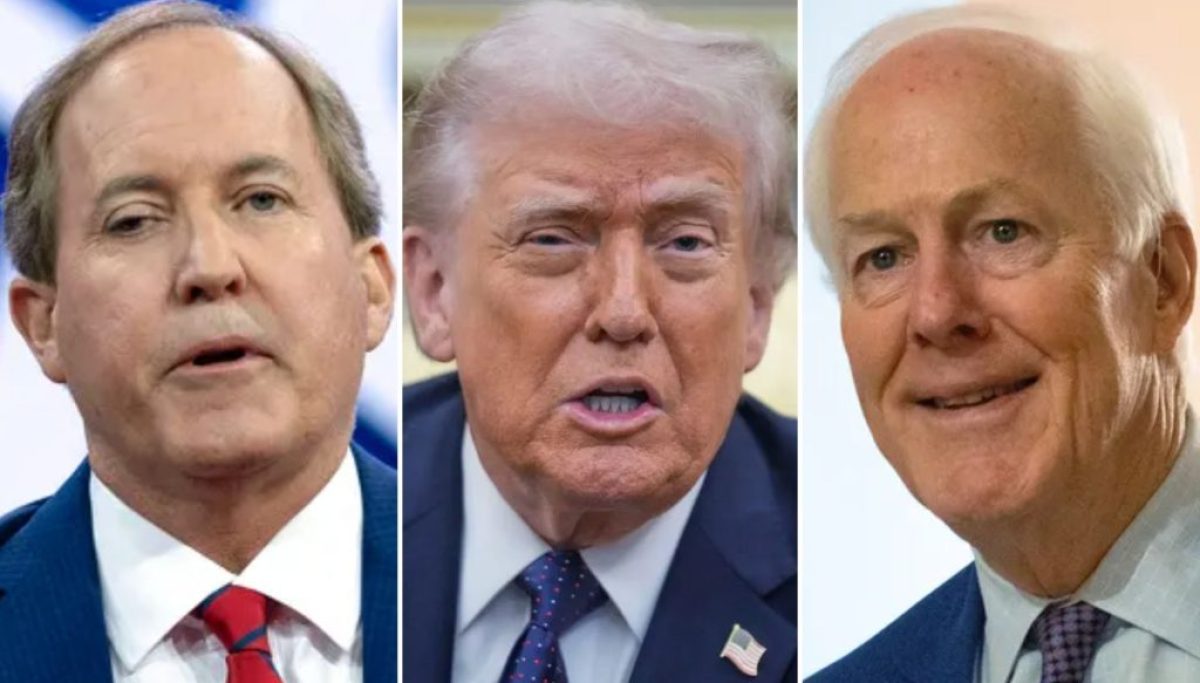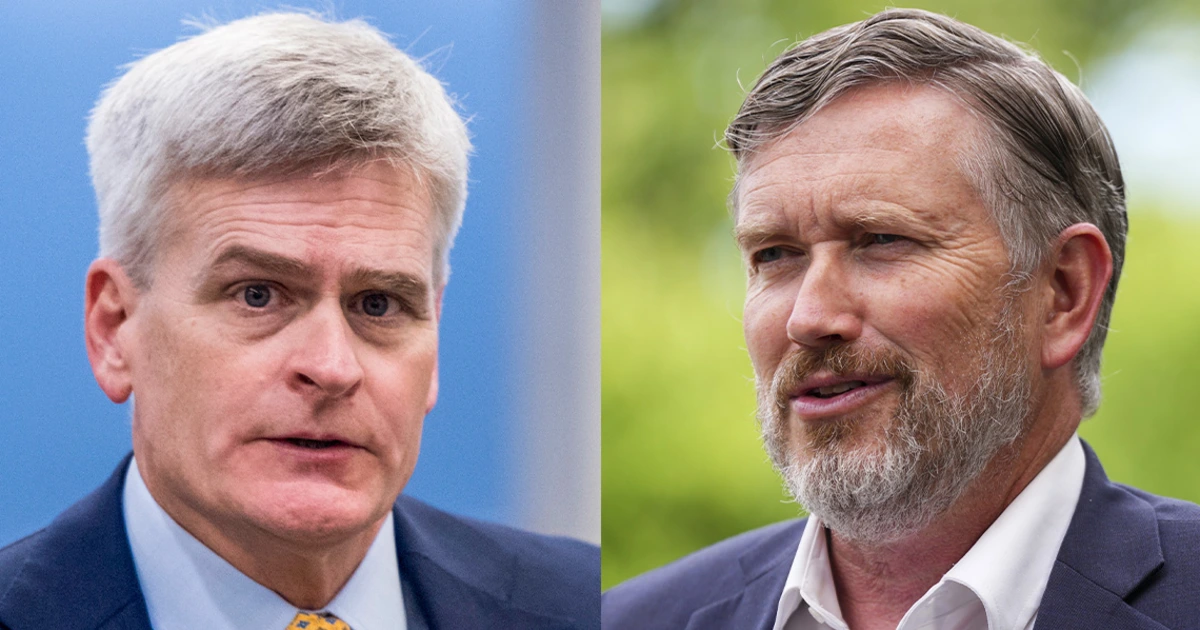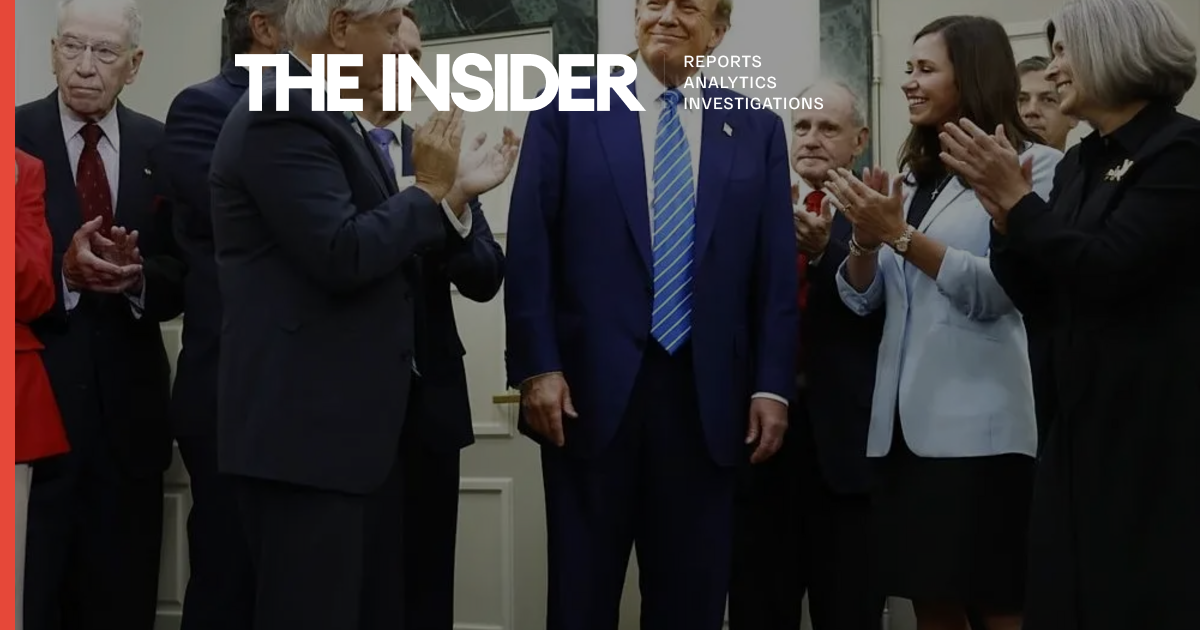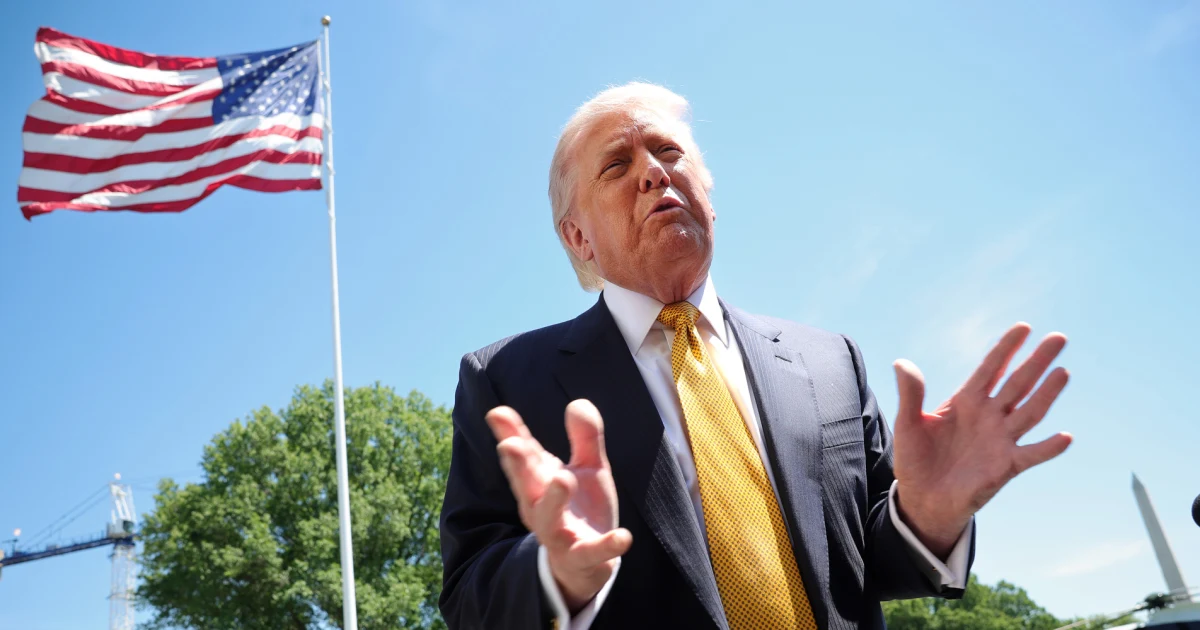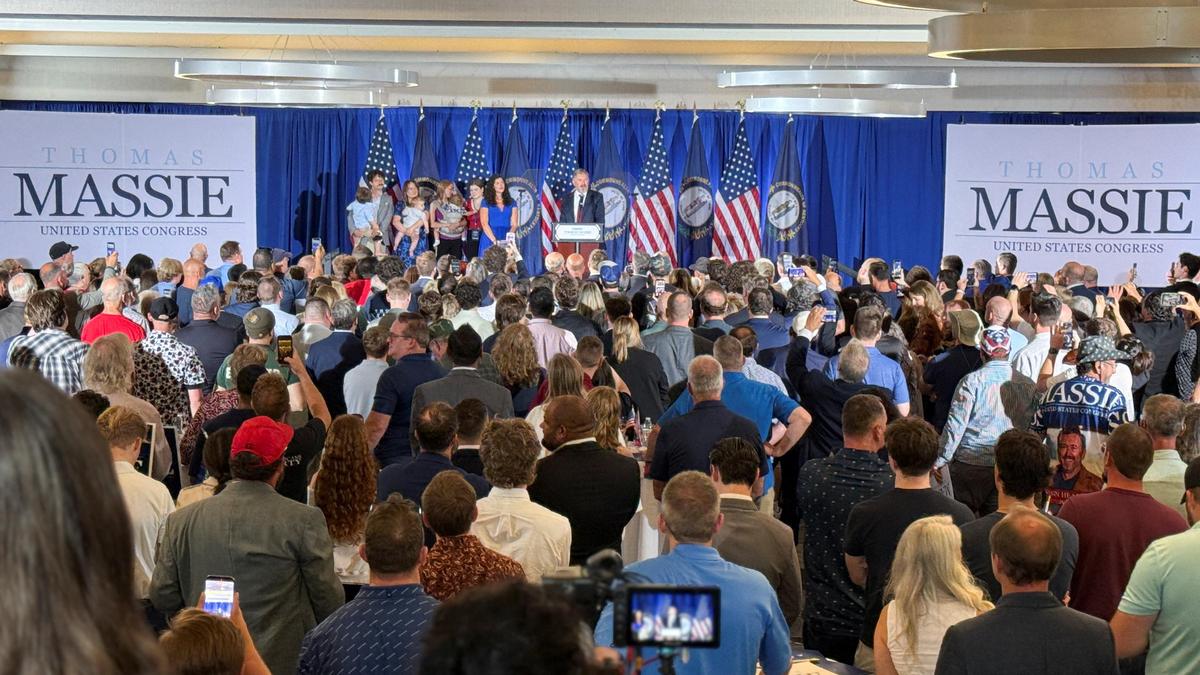
Foreign observers, including Indians often question why the Republicans do not question or stymie United State President Donald Trump’s controversial policies. The answer lies in Indian-style “high command” politics, where legislators who cross the party boss are routinely denied electoral tickets and sidelined.For decades, the U.S. boasted a system allowing local grassroots voters, rather than central party elites, to choose candidates. Today, however, the American Republican Party is undergoing a radical transformation that mirrors this hierarchical structure. The transformation was on full display in Kentucky’s fourth congressional district, where Mr. Trump has successfully orchestrated the political defeat of one of his own lawmakers, Congressman Thomas Massie, after a brutal $32-million- proxy war that became a referendum on loyalty within the Republican Party.The culture of fearTo comprehend this clash, one must understand why American Republicans fear crossing Mr. Trump. Defying him carries a career-ending penalty; just days ago, Louisiana Senator Bill Cassidy, who voted to impeach Trump in 2021, was decisively ousted in his State’s primary election. As Senator Lindsey Graham trailingly observed on American television, those who attempt to oppose Mr. Trump face certain political destruction. Mr. Trump commands an iron grip on the Republican base. For a U.S. lawmaker, a single angry tweet can instantly dry up campaign funding and turn lifelong supporters into vocal opponents.Yet, Thomas Massie steadfastly refused to yield. An eccentric, 55-year-old MIT-trained engineer and libertarian, Mr. Massie has represented Kentucky in the House since 2012. A staunch conservative who entered politics through the Tea Party movement, he lives off-the-grid in a self-built solar-powered house and remains deeply popular locally. His defining trait is a stubborn, often contrarian, insistence on absolute constitutional consistency. He consistently votes independently of party leadership, earning a reputation as Washington’s premier renegade.During Trump’s second administration, Mr. Massie has emerged as a persistent thorn in the executive’s side. He voted against Mr. Trump’s signature “One Big Beautiful Bill”, arguing that it would explode the national debt and fuel inflation.He further irritated the administration by successfully spearheading a bipartisan push to compel the government to release the unredacted Jeffrey Epstein files. Most critically, as a staunch anti-interventionist, Mr. Massie has vocalised fierce opposition to the escalating U.S.-backed military conflict with Iran, warning that foreign engagements drain American resources.The Trumpian backlashOn Truth Social, the President branded Mr. Massie as a “Third Rate Congressman” and the “worst and most unreliable Republican Congressman in history.” To orchestrate his defeat, Mr. Trump hand-picked Ed Gallrein, a retired Navy SEAL, to challenge Mr. Massie in the primary. The environment became so toxic that Mr. Trump even threatened to back primary challenges against other popular Republicans, such as Lauren Boebert, simply for travelling to Kentucky to campaign on Mr. Massie’s behalf.Mr. Trump’s campaign was bolstered by powerful external allies. The race became a $32-million blitzkrieg largely due to the pro-Israel lobby — specifically the American Israel Public Affairs Committee (AIPAC), alongside conservative billionaires Miriam Adelson and Paul Singer. Because Mr. Massie opposed U.S. military action against Iran and routinely voted against foreign aid packages, AIPAC flooded Kentucky with $9 million in attack ads, framing him as an adversary of Israel. Mr. Massie retaliated by introducing a bill to force AIPAC lobbyists to register as foreign agents under the Department of Justice, framing the election as a referendum on whether foreign lobbies can dictate terms to American lawmakers.Why this matters for U.S. politicsIndians, from the IT parks of Bengaluru to the residents of Poonch on the Line of Control, must pay close attention to this development as its outcome has profound consequences for American governance and global stability.Mr. Massie lost. His defeat demonstrates that even immense local popularity and principled conservatism may no longer be sufficient to shield a lawmaker from executive wrath. The result sends a clear message across the Republican Party: opposition to Mr. Trump carries potentially fatal political consequences. For aspiring lawmakers, loyalty increasingly matters more than independence.The Republican Party’s transformation into a more centralised political structure is therefore no longer a possibility but an observable reality. Mr. Massie’s defeat suggests that ideological dissent, even from a conservative with impeccable Republican credentials, can trigger a coordinated campaign involving the White House, influential donors and powerful interest groups.For India, which relies on a stable, predictable and democratic American foreign policy, a U.S. Congress stripped of robust internal checks and balances represents a dangerous prospect. As authority becomes increasingly concentrated, foreign and domestic policy alike become more dependent on the preferences of a narrower political circle.The Massie case serves as a stark reminder that the principal challenge facing American democracy may lie not merely in partisan conflict between Republicans and Democrats, but in the shrinking space for disagreement within one of the country’s two major political parties.Anil Raman is a retired Brigadier and a research fellow in the Geopolitics Programme of Takshashila Institution
‘Off with their heads’ – the purge of Republican dissenters
Opposition to Donald Trump carries potentially fatal political consequences
804 words~4 min read