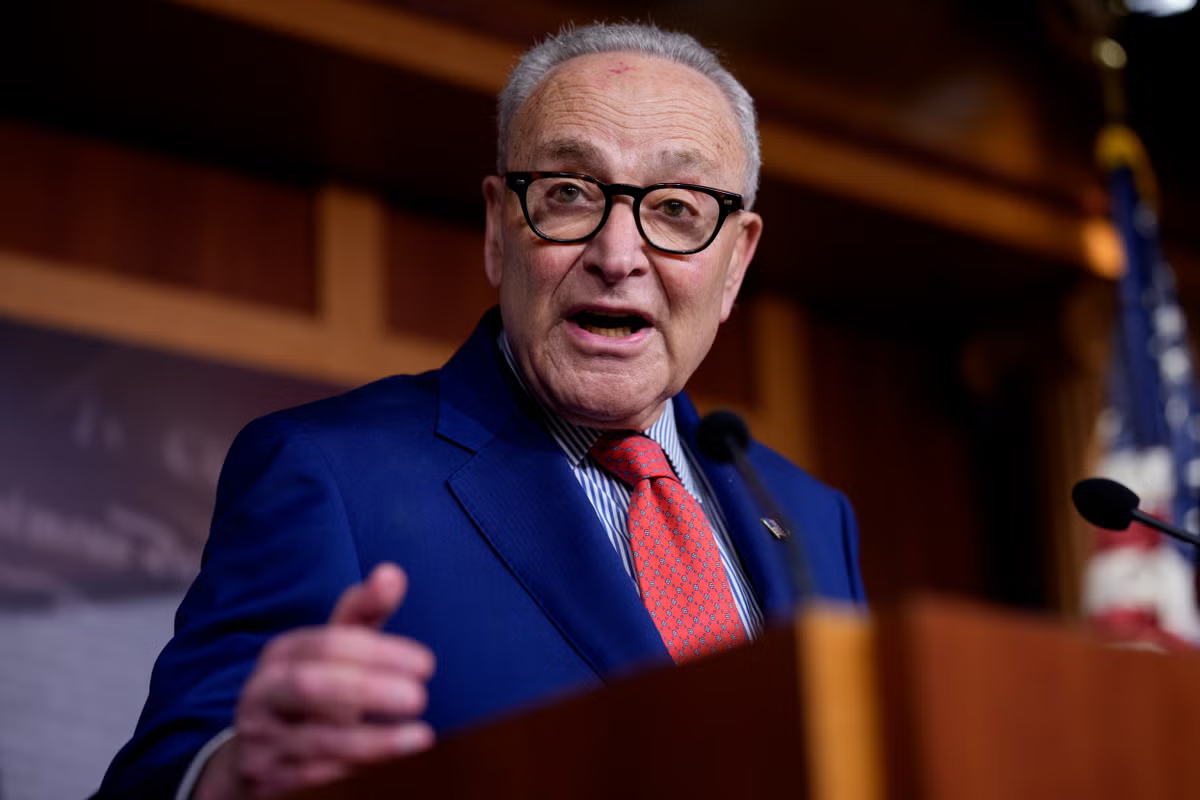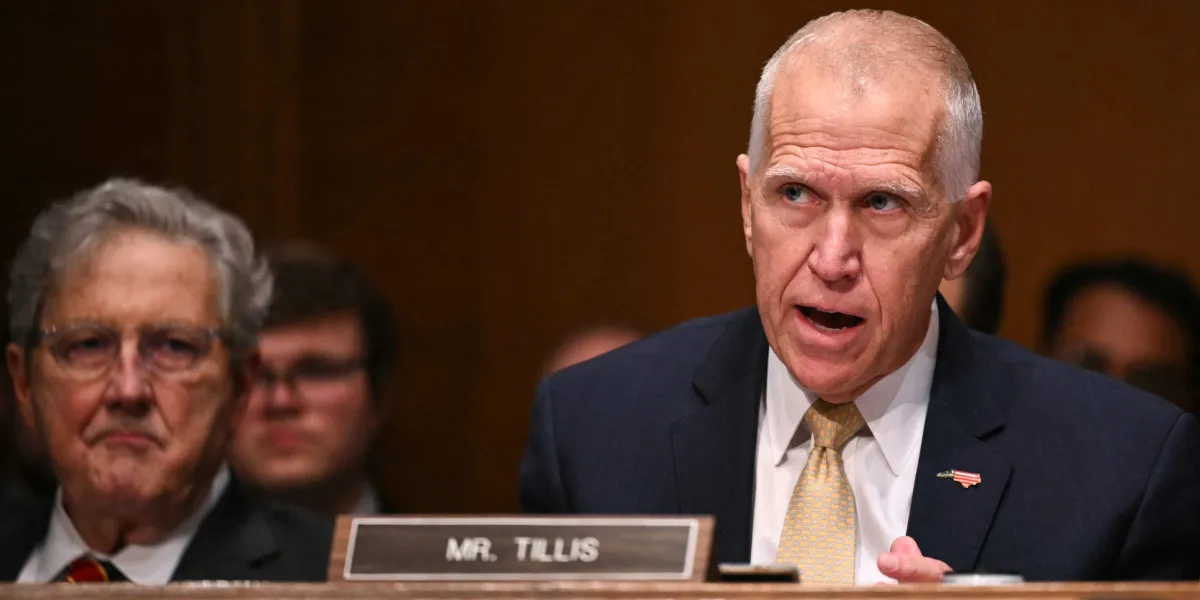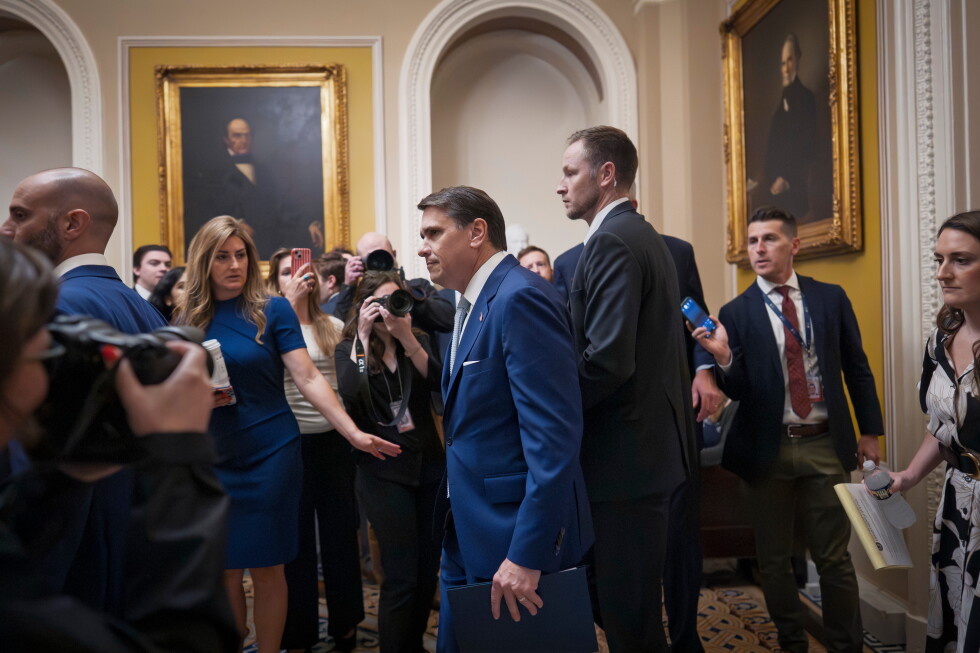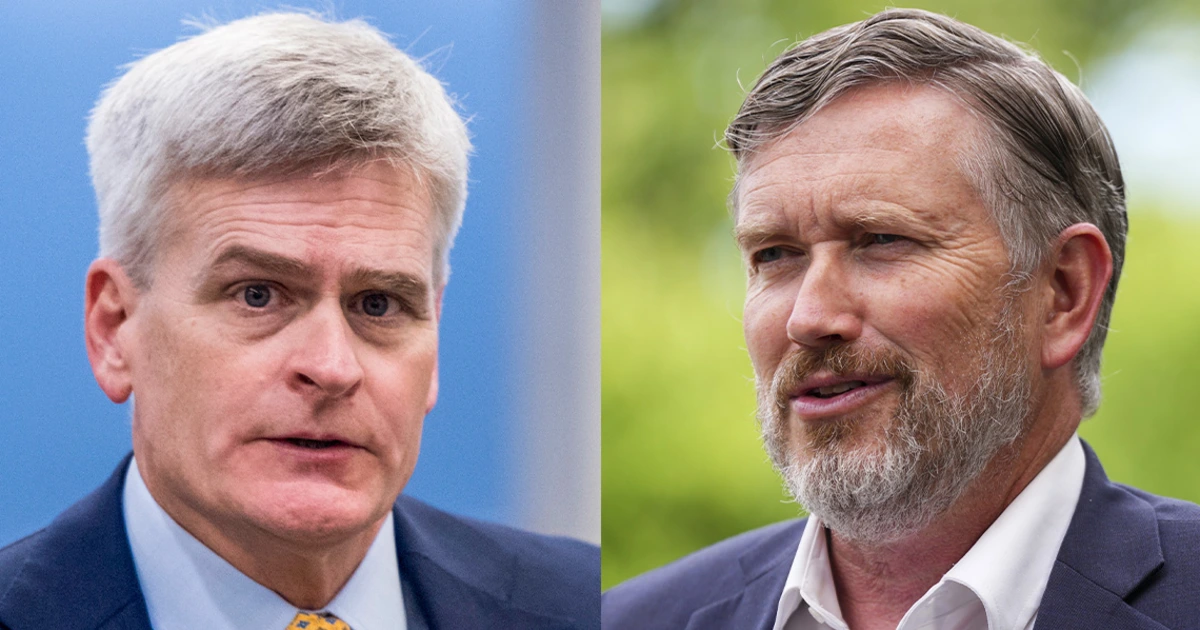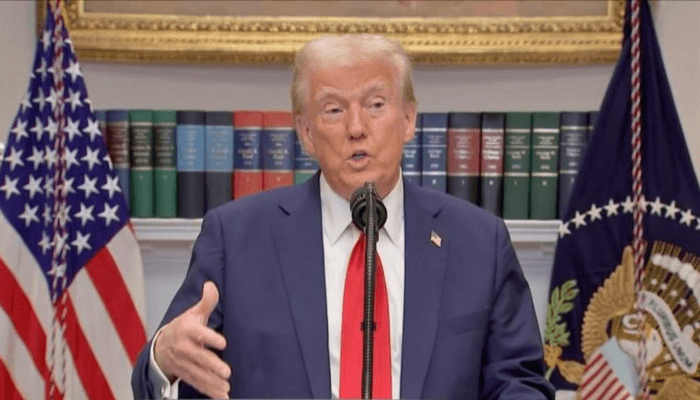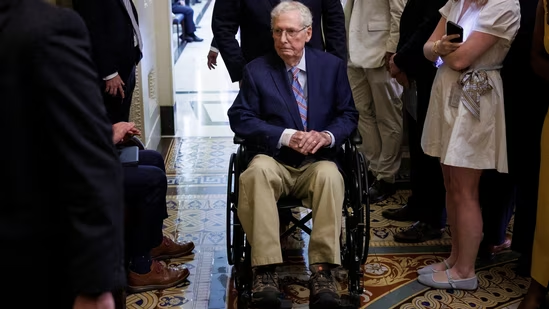
REPUBLICANS ARE learning that, occasionally, you can say “no” to Donald Trump. On May 18th his administration announced a $1.8bn fund to compensate victims of government “lawfare”—read, a slush fund for allies—provoking fury among some Republicans. “Utterly stupid, morally wrong” was how Senator Mitch McConnell of Kentucky described it. “I call it a payout pot for punks,” said Thom Tillis, a senator from North Carolina. The uproar has derailed progress on one of the president’s other priorities: a long-awaited $70bn immigration-enforcement bill.U.S. Senator Mitch McConnell (R-KY) is taken away following a weekly policy lunch on Capitol Hill in Washington, D.C., U.S (REUTERS FILE)Such defiance is new. Since Mr Trump returned to office, Republican lawmakers have bent to his will, backing crackpots for cabinet posts and giving him free rein on everything from tariffs to military action. Now, bracing for big losses in the midterms, some Republicans are beginning to push back against the president, whether out of principle or in an effort to limit the political damage he has caused. Others may simply want revenge. On May 26th John Cornyn of Texas became the latest sitting senator to lose a primary to a Trump-backed challenger. He will remain in office for another seven months—plenty of time to settle scores.There are nine lame-duck Republican senators, many of whom have long-running feuds with the president. Mr McConnell, for example, has called him “a despicable human being”. Mr Tillis announced his retirement less than 24 hours after incurring Mr Trump’s wrath for voting against his “Big Beautiful Bill”. Together with moderates from states that reward political independence, they form a kind of YOLO caucus. Whether liberated by retirement or insulated by local politics, they no longer fear MAGA voters enough to fall obediently into line. And given Republicans’ slim congressional majorities, it would not take many defections to bring Mr Trump’s agenda to a standstill.Mr Tillis has been a thorn in Mr Trump’s side longer than most, breaking with him on several high-profile issues, including immigration, aid to Ukraine and government spending. He recently held up the confirmation of Mr Trump’s pick to run the Federal Reserve until a politically motivated investigation into the outgoing chair was dropped. Earlier this month he was one of three Republican senators, along with Mr Cornyn, not to vote on a measure backed by Democrats to limit the president’s war powers in Iran. It passed 50-47.Four other Republicans helped Democrats advance the measure, including Bill Cassidy, a senator from Louisiana fresh from a primary defeat by a Trump-backed opponent. He had voted against the same proposal seven times before. Soon after the Senate action, House Republican leaders cancelled a vote on a similar measure, concluding that it, too, would probably pass.Mr Cornyn is the newest member of the YOLO caucus. He has until now voted with Mr Trump 99% of the time. Yet despite his ostentatious deference—he even posed with a copy of “The Art of the Deal”—Mr Trump endorsed his opponent, Ken Paxton, the scandal-plagued Texas attorney-general. The snub appeared to sharpen an already mutinous mood among Republicans, culminating in the shelving of the immigration-enforcement bill. “I think it’s hard to divorce anything that happens here from what’s happening in the political atmosphere around us,” said John Thune, the Senate Republican leader, after delaying the measure.Mr Trump’s more self-indulgent fixations are now in the cross-hairs. Senate Republicans recently gutted $1bn tied to the White House ballroom project that the president had promised would be financed by private donors. A growing number of Republicans, especially those facing tight races, are also looking for ways to restrict the “lawfare” fund. “People are concerned about paying their mortgage or rent, affording groceries and paying for gas,” lamented Mr Cassidy, “not about putting together a $1.8bn fund for the president and his allies to pay whomever they wish.”Some on the left are unimpressed that a few Republicans have rediscovered their consciences only once freed from electoral consequences and with Mr Trump’s approval ratings slumping. Even now, figures such as Mr Tillis remain restrained in their criticism of the president. He often avoids attacking Mr Trump directly, instead aiming his ire at the president’s lackeys. A “small handful of advisers”, he complains, are the ones pushing “stupid” ideas.Still, the sudden defiance of Republican lawmakers is causing problems for the president. Asked by reporters whether he felt he was losing control of Senate Republicans, Mr Trump replied: “I really don’t know.” Either way, the intraparty insurgency may be short-lived. Many members of the YOLO caucus are likely to be replaced by politicians who are more loyal to the president. But January may also bring Democratic control of Congress. This is time Mr Trump can ill afford to lose. Stay on top of American politics with The US in brief, our daily newsletter with fast analysis of the most important political news, and Checks and Balance, a weekly note that examines the state of American democracy and the issues that matter to voters.
Meet the Republicans defying Donald Trump
Conservatives with nothing left to lose are bucking the president | World News
TL;DRAI
A bloc of lame-duck Republican senators blocked Trump's $1.8bn "lawfare" fund and stalled a $70bn immigration bill. Thin majorities in Congress mean a few defectors can freeze the legislative agenda — a key variable for compliance and policy planning.
830 words~4 min read