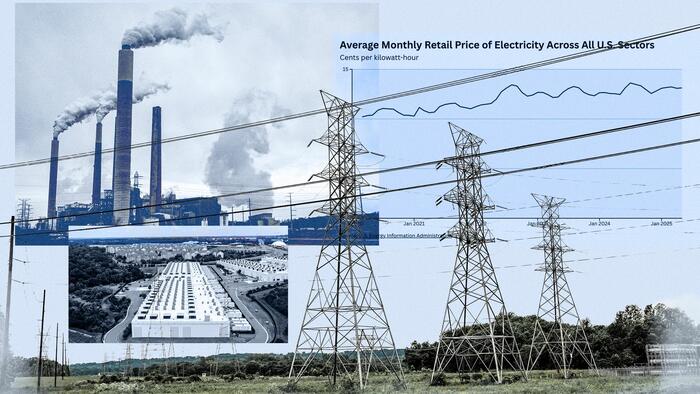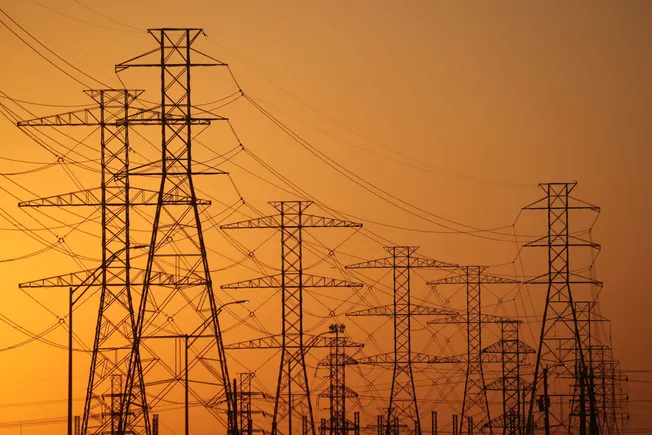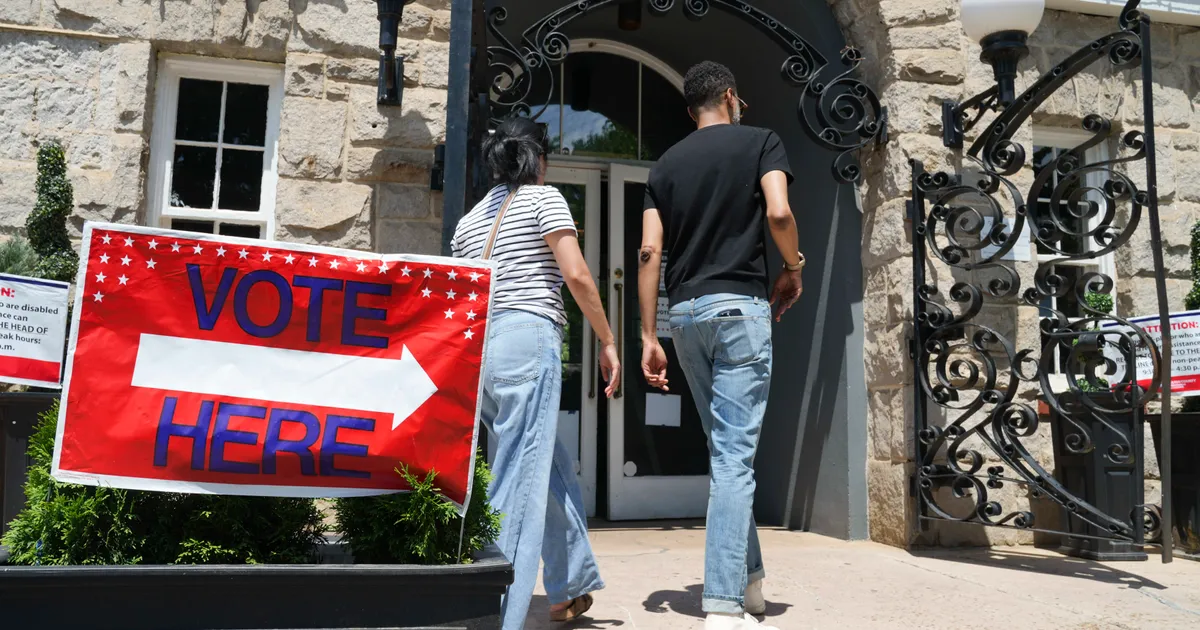
The 2026 election season is officially upon us, and with electricity prices on the rise, energy affordability is sure to factor into thousands of campaigns currently underway across the country.
While state legislators, governors, and members of Congress make decisions that influence power costs, it’s actually state public utility commissions that have the authority to oversee electricity rate hikes, power plant construction, and other factors that determine the size of your electricity bill. In most of the country, utility commissioners are appointed by governors or state legislatures, but in 10 states, voters elect the officials directly — and in nine of those states, commissioner seats are up for election this year.
As it stands, Republicans hold the vast majority of elected seats on state public utility boards, also called public service commissions, among other names. The commissions in Alabama, Arizona, Montana, Nebraska, North Dakota, Oklahoma, and South Dakota are entirely Republican.
That was also true for the Georgia Public Service Commission until last fall. Running on promises to rein in rising prices from major utility Georgia Power, including by promoting clean energy development, Democrats Peter Hubbard and Alicia Johnson sailed to upset victories in their statewide elections. Hubbard is already up for reelection this fall, and a Republican-held seat is up for grabs as well, in races that could serve as a referendum on the PSC’s approval of Georgia Power’s massive, bill-raising gas plant buildout late last year, just before the newly elected Democrats took office.