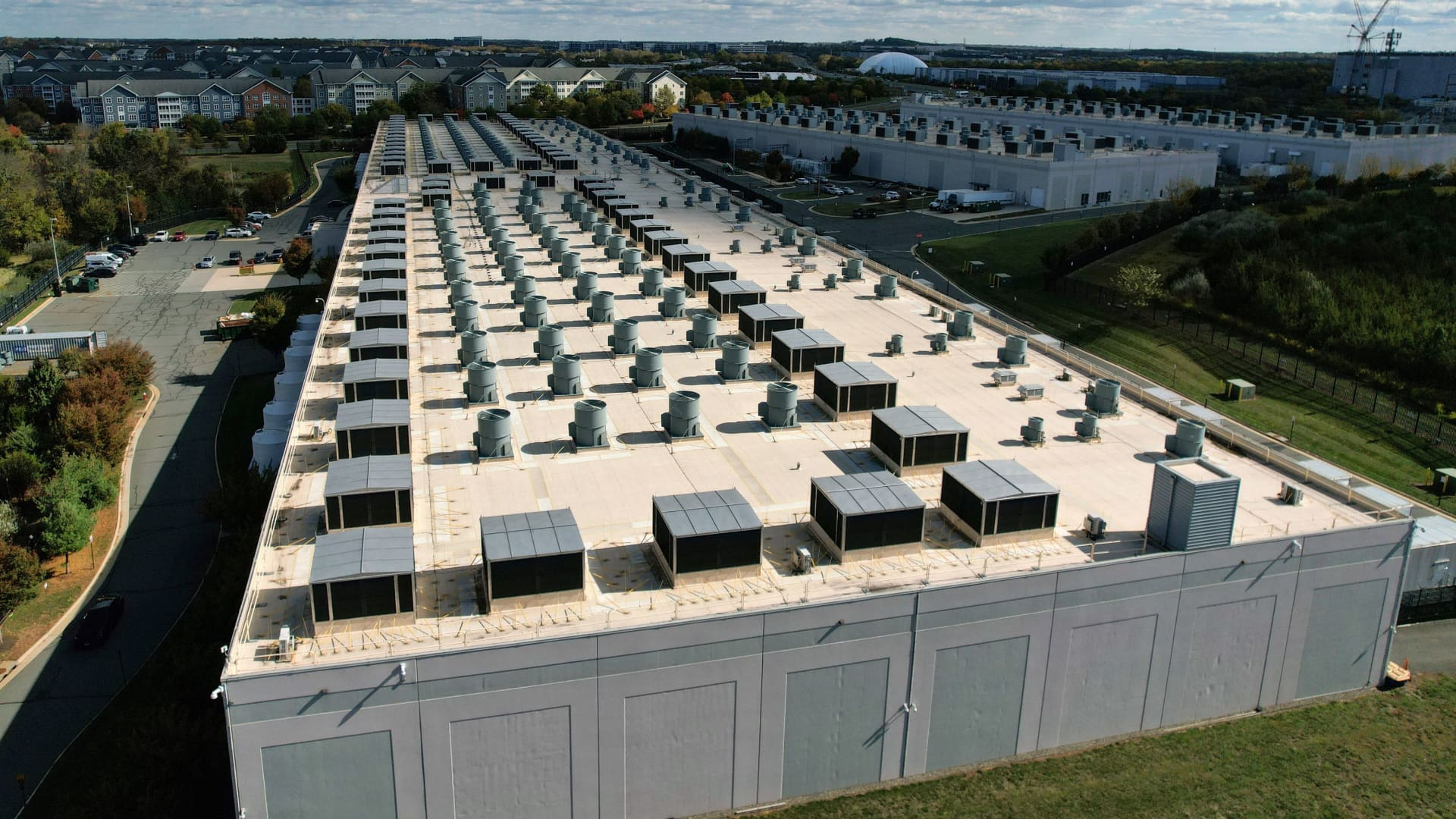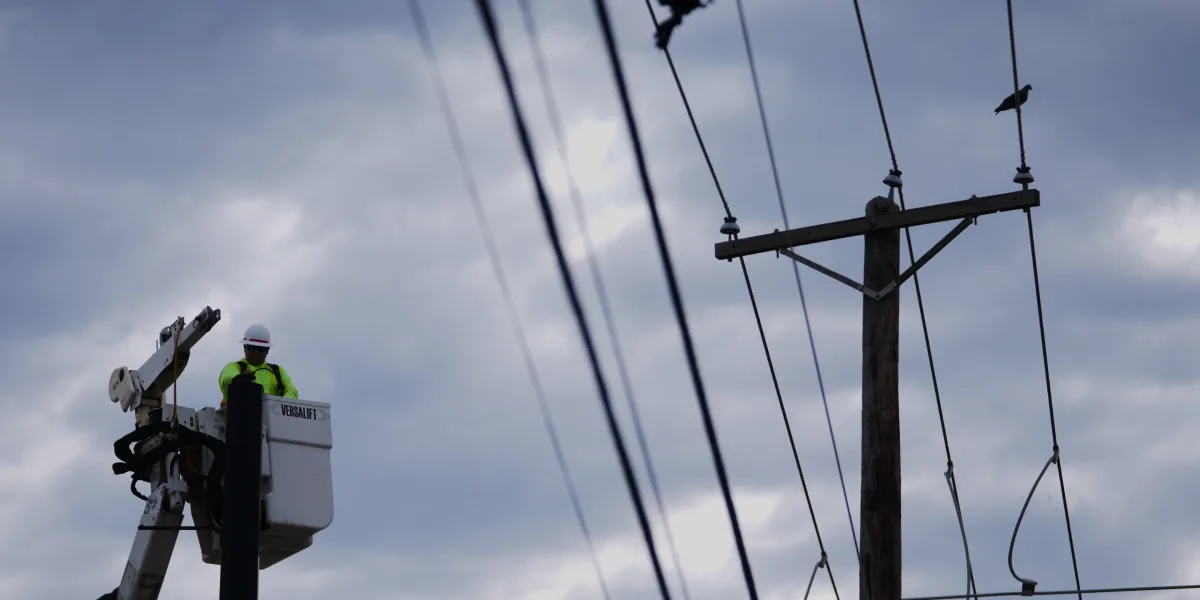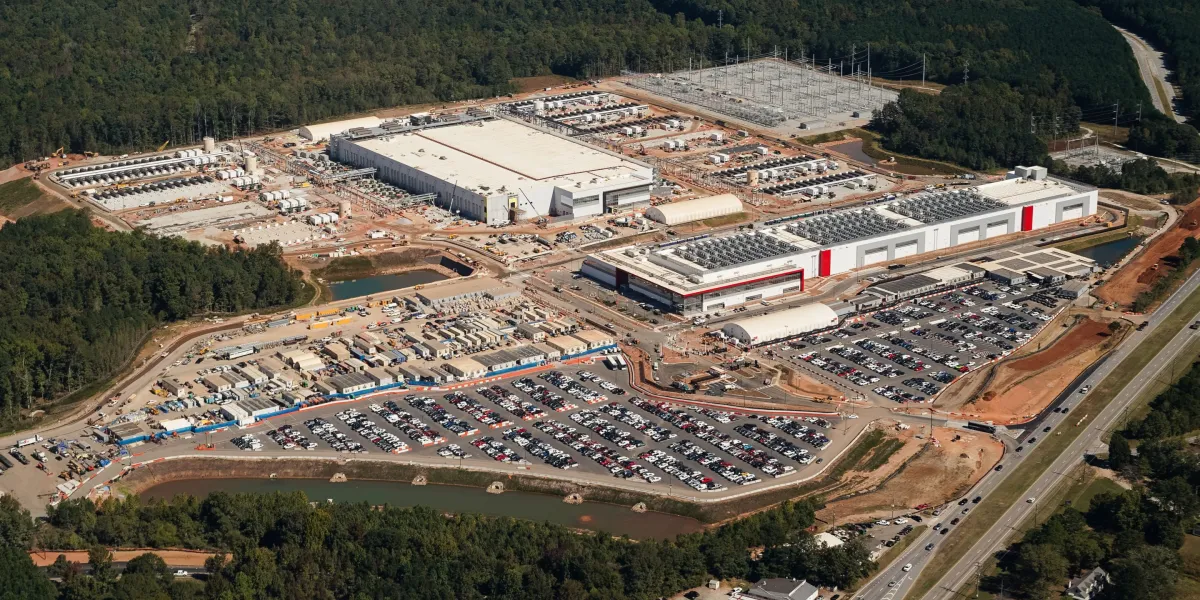
Voter anger over the cost of living is hurtling forward into next year’s midterm elections, when pivotal contests will be decided by communities that are home to fast-rising electric bills or fights over who’s footing the bill to power Big Tech’s energy-hungry data centers.
Electricity costs were a key issue in this week’s elections for governor in New Jersey and Virginia, a data center hotspot, and in Georgia, where Democrats ousted two Republican incumbents for seats on the state’s utility regulatory commission.
Meanwhile, concerns are growing over an AI bubble in stock markets. Mary Callahan Erdoes, CEO of JPMorgan’s asset and wealth management business, said at the Fortune Global Forum just weeks ago that some AI stocks have “a little too much concentration.”
And Lisa Shalett, chief investment officer of Morgan Stanley Wealth Management, told Fortune weeks earlier that she was “very concerned” about the market’s reliance on AI, citing her own calculations that 75% of the gains, 80% of the profits and 90% of the capital expenditure in the S&P 500 was tied to data-center growth in the last several years.
The week of the offseason elections coincided with a tough week on Wall Street prompted by AI concerns. Famous short-seller Michael Burry’s disclosure that he was taking a big position against Palantir resulted in a 10% stock slide over several days, to furious reaction from CEO Alex Karp. OpenAI, meanwhile, rattled markets by appearing to suggest that it would need some kind of federal “backstop,” prompting fears that the still-private, still-unprofitable AI juggernaut is near “too big to fail status.” The Nasdaq 100 finished the week with the worst results since April.