The Democratic sweep of gubernatorial races in Virginia and New Jersey and public service commissioner races in Georgia offers an early glimpse of what could be a sleeper issue in the 2026 midterm elections: the politics of AI infrastructure.
In Virginia, Governor-elect Abigail Spanberger made data centers’ outsize energy demands one of her campaign planks, calling on tech companies to pay their “fair share” to strengthen the grid. In New Jersey, Mikie Sherrill won the governorship championing, among other issues, legislation that would require data centers to help fund grid modernization and renewable energy investments. And in Georgia, Democrats Alicia Johnson and Peter Hubbard unseated incumbent Republicans on the Public Service Commission, which sets utility rates, after Hubbard complained that big tech companies were being offered “sweetheart deals,” while residents paid much higher rates for electricity.
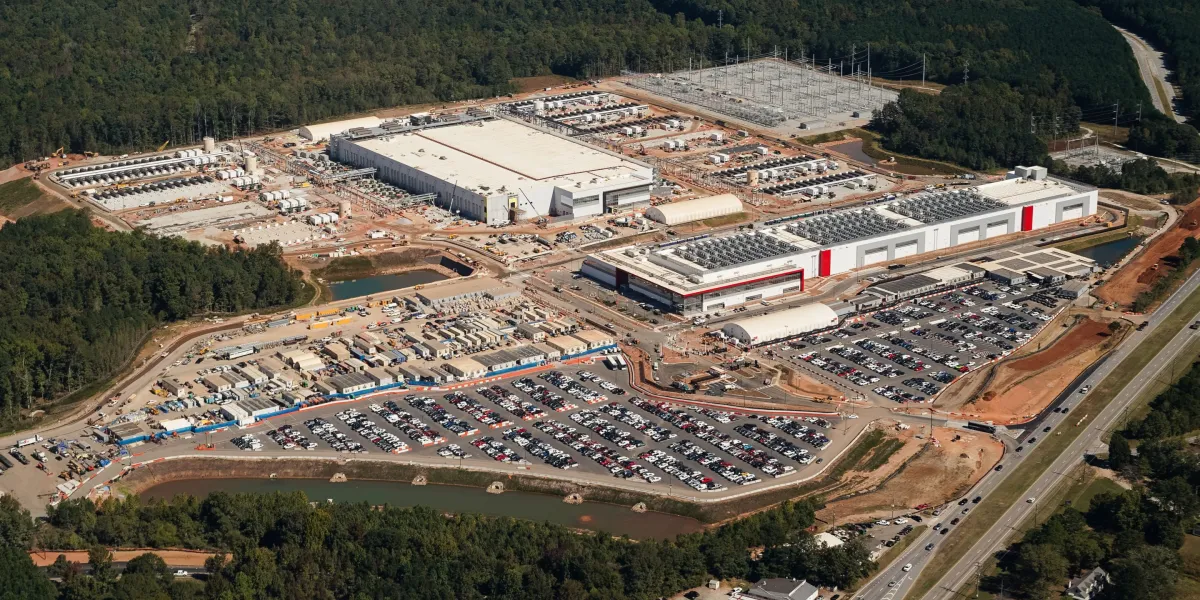
These wins underscore a striking new reality—that the physical infrastructure of the AI boom isn’t just transforming technology or the economy. As I reported recently, massive AI data centers are also quietly reshaping local and state politics—turning once-niche zoning fights into national debates over the future of energy.