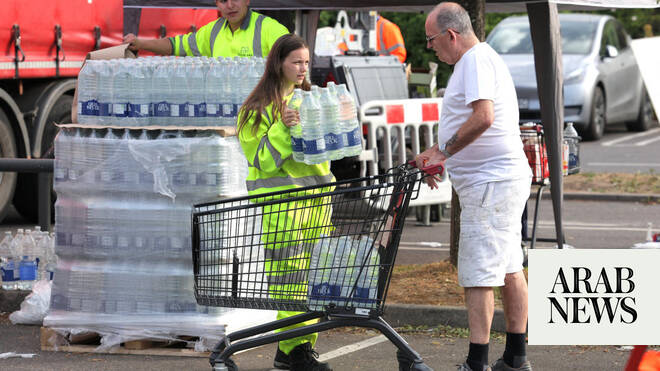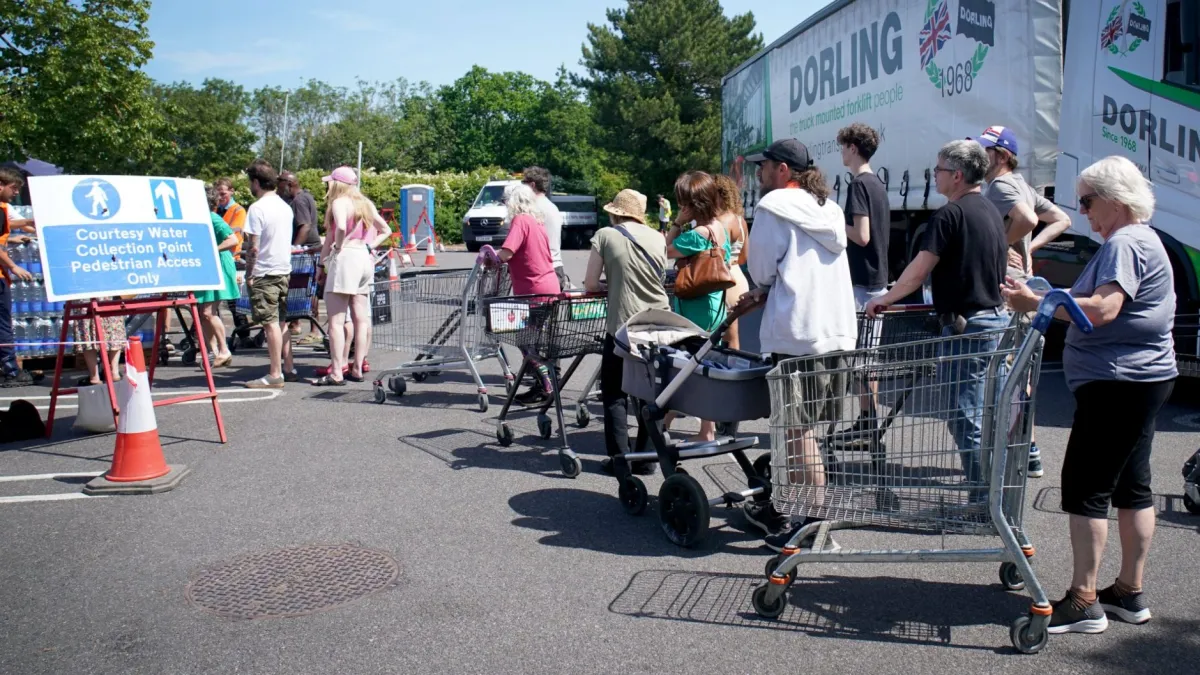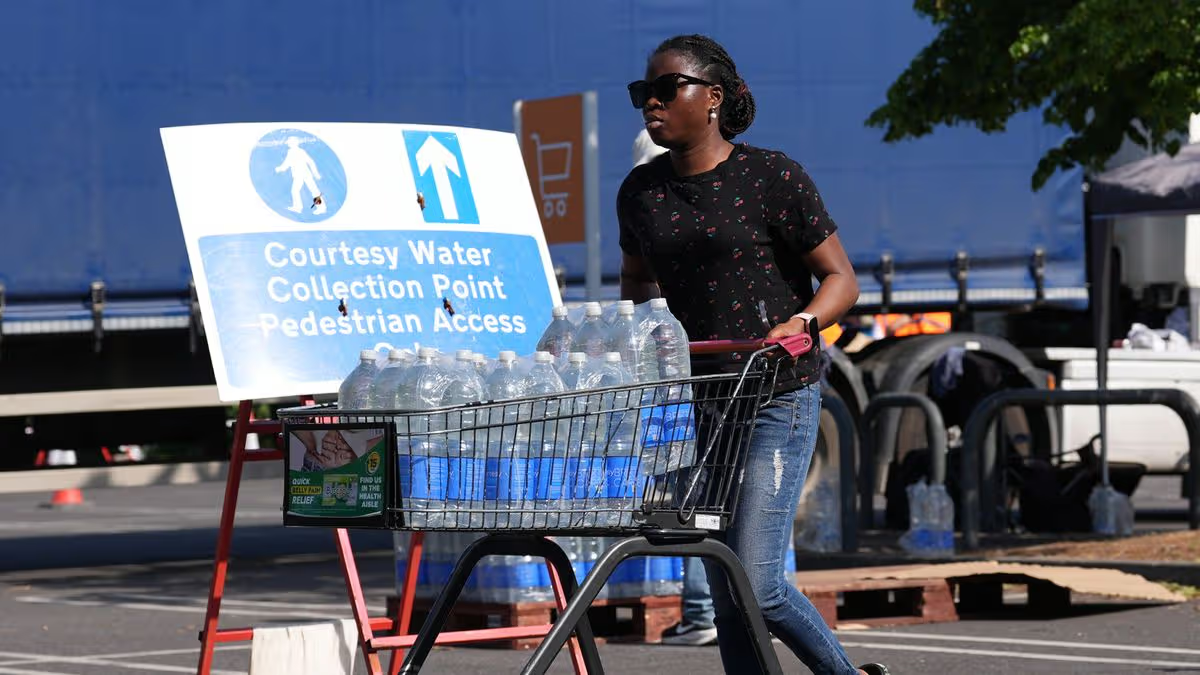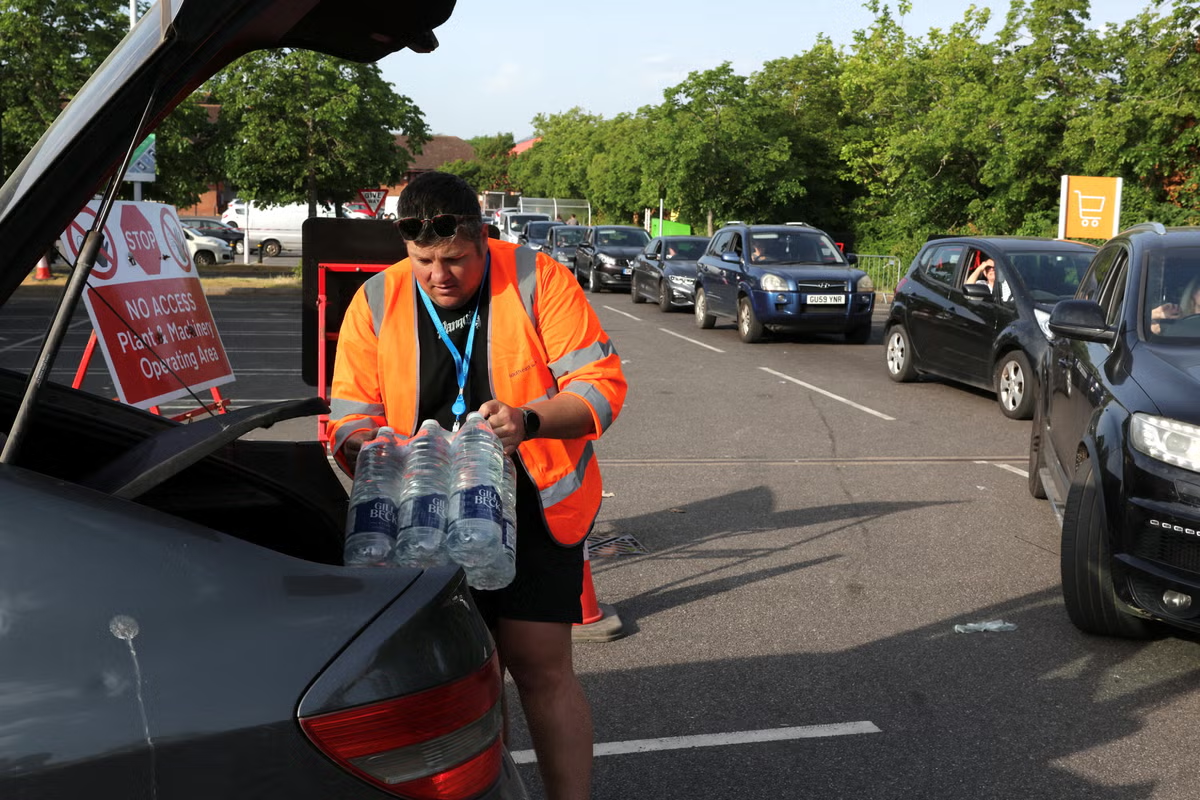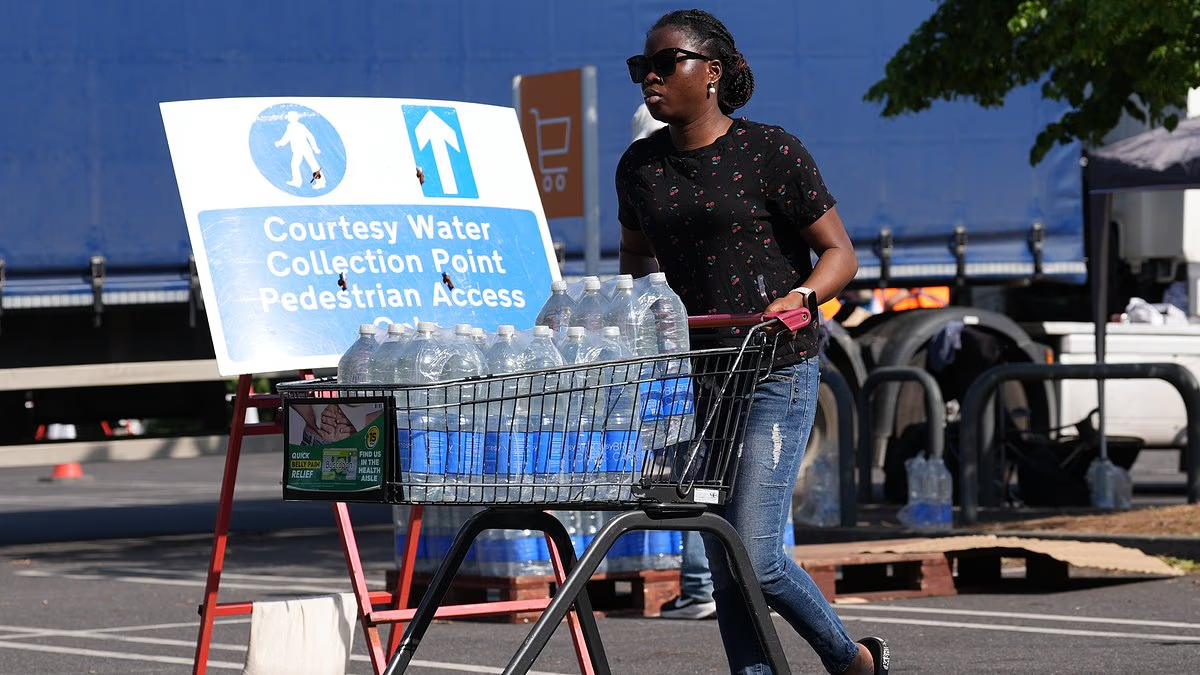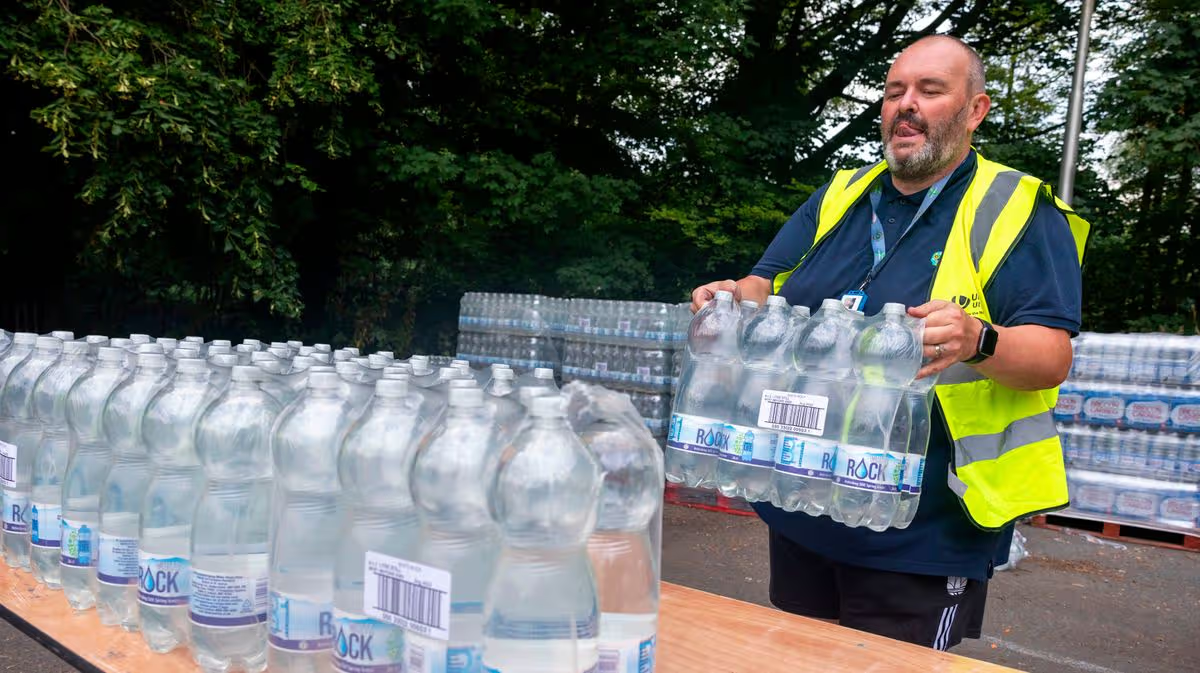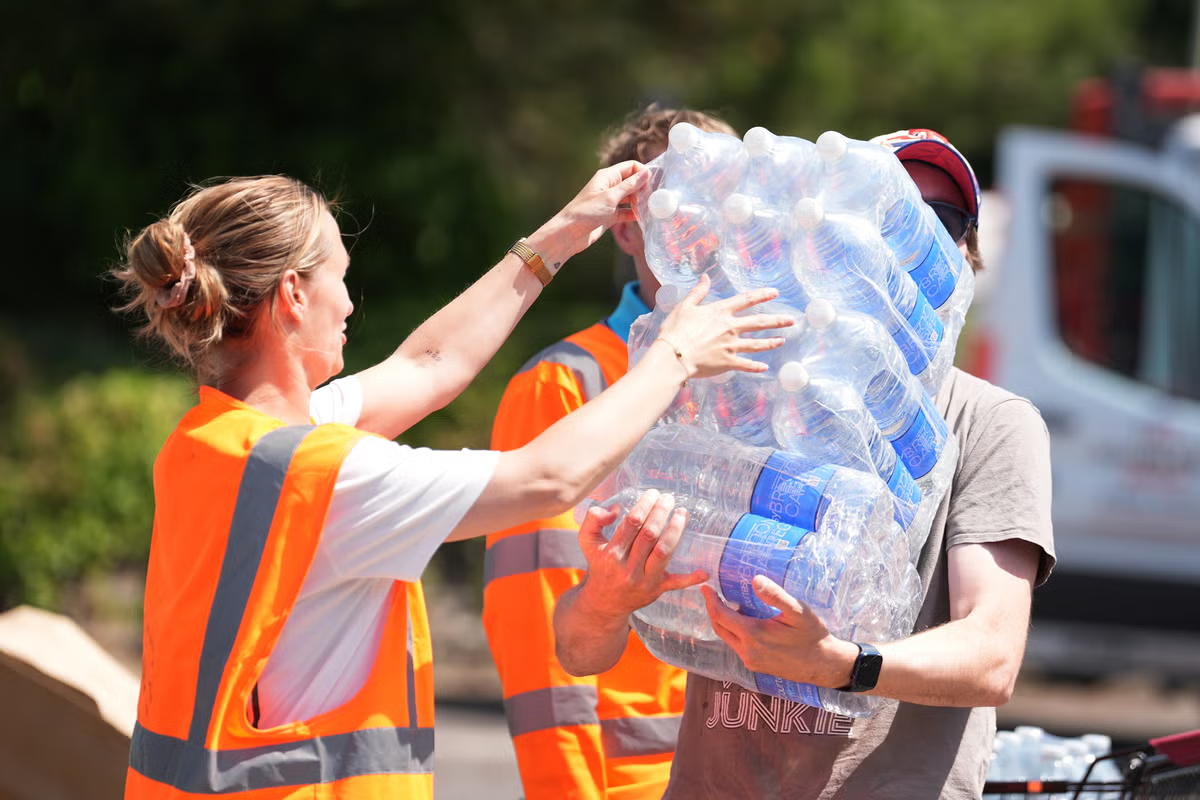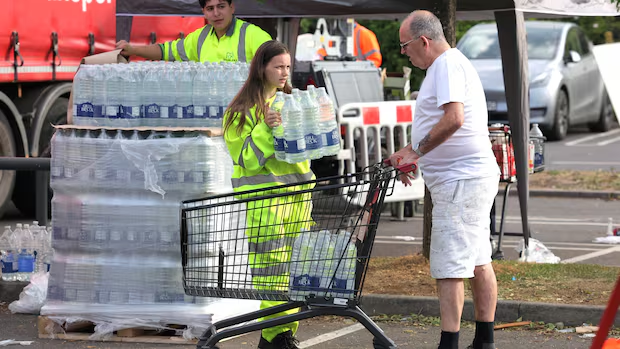
ClimateThousands of households in southeast England were left without water or facing low pressure during a record-breaking heat wave this week, as high demand followed a dry spring to expose the failings in Britain's aging infrastructure.Experts and officials warn climate change will worsen shortagesThomson Reuters · Posted: May 29, 2026 12:54 PM EDT | Last Updated: 1 hour agoListen to this articleEstimated 3 minutesThe audio version of this article is generated by AI-based technology. Mispronunciations can occur. We are working with our partners to continually review and improve the results.A worker loads bottles into cars as water shortages, caused by reservoirs running at critically low levels, continue in the tourist seaside town of Whitstable, U.K., on Friday. (Kevin Coombs/Reuters)Thousands of households in southeast England were left without water or faced low pressure during a record-breaking heat wave this week, as high demand following a dry spring exposed the failings in Britain's aging infrastructure.The disruption affected over 20,000 people at its height, including around 8,000 left without supply in the coastal town of Whitstable, according to South East Water's incident manager Matthew Dean, with people queuing to secure emergency water supplies on Friday. Britain, like much of Europe, has been hit by a heat wave in the last week, stoking demand for water, while well below-average rainfall levels in March and April left some reservoirs under pressure, according to the Environment Agency. Anger has built in recent years over the lack of investment in networks by privatized water companies, which has led to regular sewage spills.In Whitstable, many businesses were forced to close during one of the busiest weeks in the year, coinciding with a school holiday.WATCH | Record highs in London:London residents try to stay cool as record-breaking heat wave grips U.K.May 26|Duration 2:50Temperatures hit a record high in London as residents grappled with a heat dome covering large parts of the United Kingdom."If you can't wash your hands, you can't make food," dismayed cafe owner Mark Kidd said, noting that hotter parts of the world managed to maintain water supply. Local resident George said he blamed local supplier South East Water, already under investigation by regulator Ofwat for outages in other parts of its network earlier this year."I don't want any of the water companies to start blaming either climate change or usage for their lack of investment," he said.South East Water's explanationSouth East Water has apologized for the shortages, saying exceptionally high temperatures had created very high demand. It said it was experiencing "low storage" despite planning for the hotter temperatures.The company, which supplies drinking water to around 2.3 million customers, said it had pumped 628 million litres on Wednesday — about 100 million above the seasonal average — reflecting the higher temperatures. Britain, like France, recorded its hottest May day on record during the heat wave, with temperatures exceeding 34 C, according to the national weather service.2026 will likely be among the hottest on record: Environment CanadaHere's why you don’t need to worry about a 'super' El Niño — yetExperts say dry periods followed by short bursts of extreme heat are becoming more likely as global temperatures rise, making it harder for water companies to balance supply and demand.Emma Hardy, the U.K.'s under-secretary for water and flooding, said on Friday water companies must prepare for more frequent periods of extreme heat. The independent Climate Change Committee has warned the country will face progressively hotter, drier summers and that adapting would require around 11 billion pounds (some $20.5 billion) a year in investment.
People in England left without water as record-breaking heat hits | CBC Climate Change News
Thousands of households in southeast England were left without water or facing low pressure during a record-breaking heat wave this week, as high demand followed a dry spring to expose the failings in Britain's aging infrastructure.
585 words~3 min read