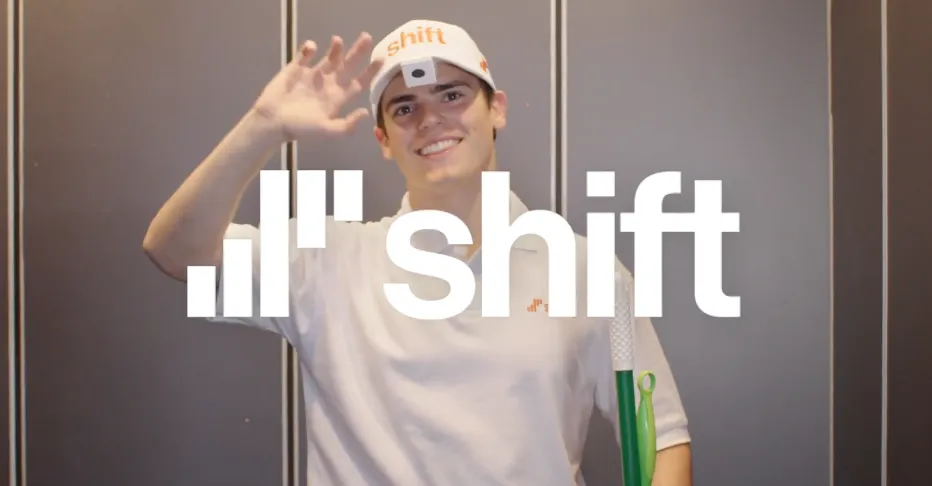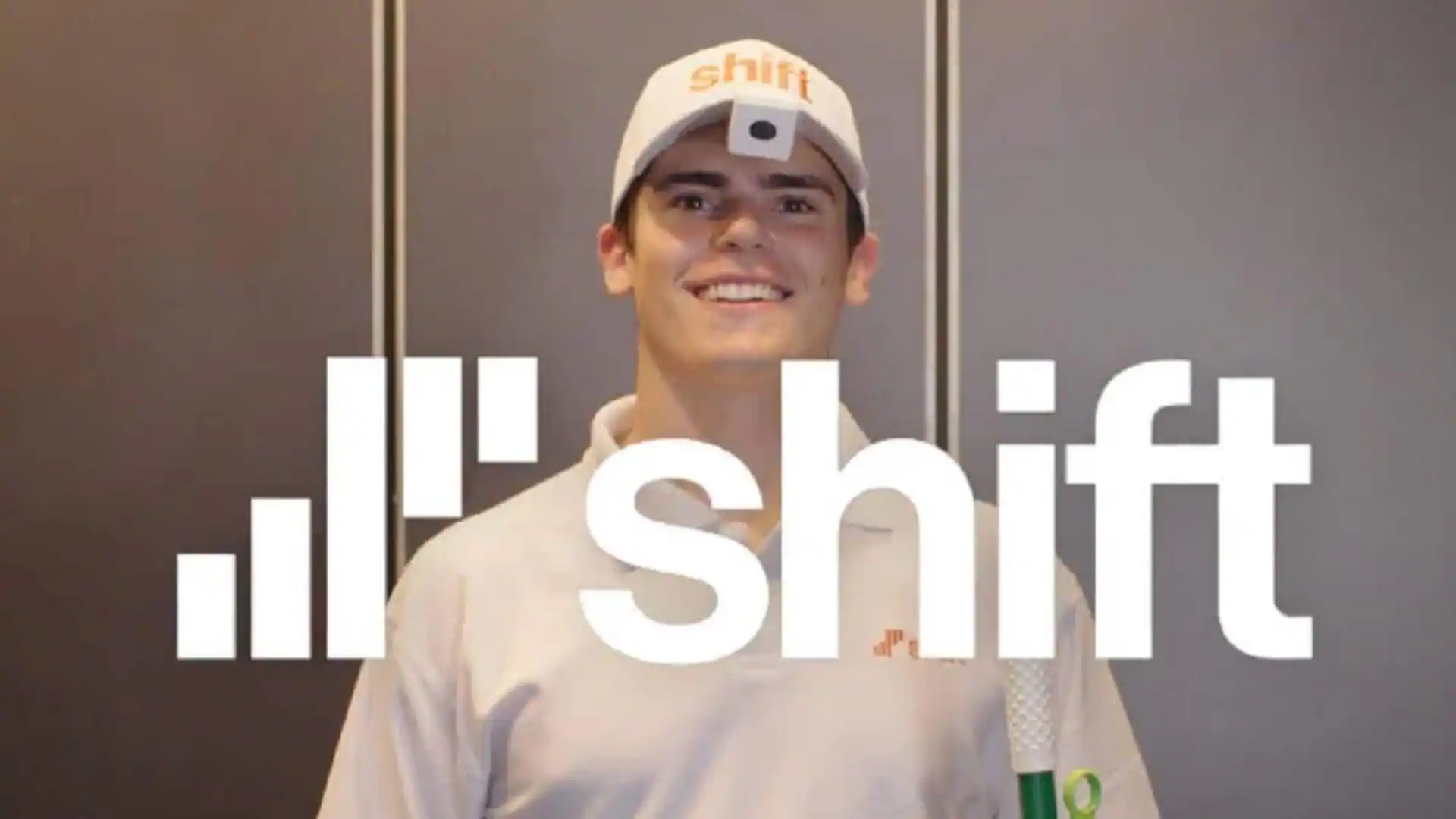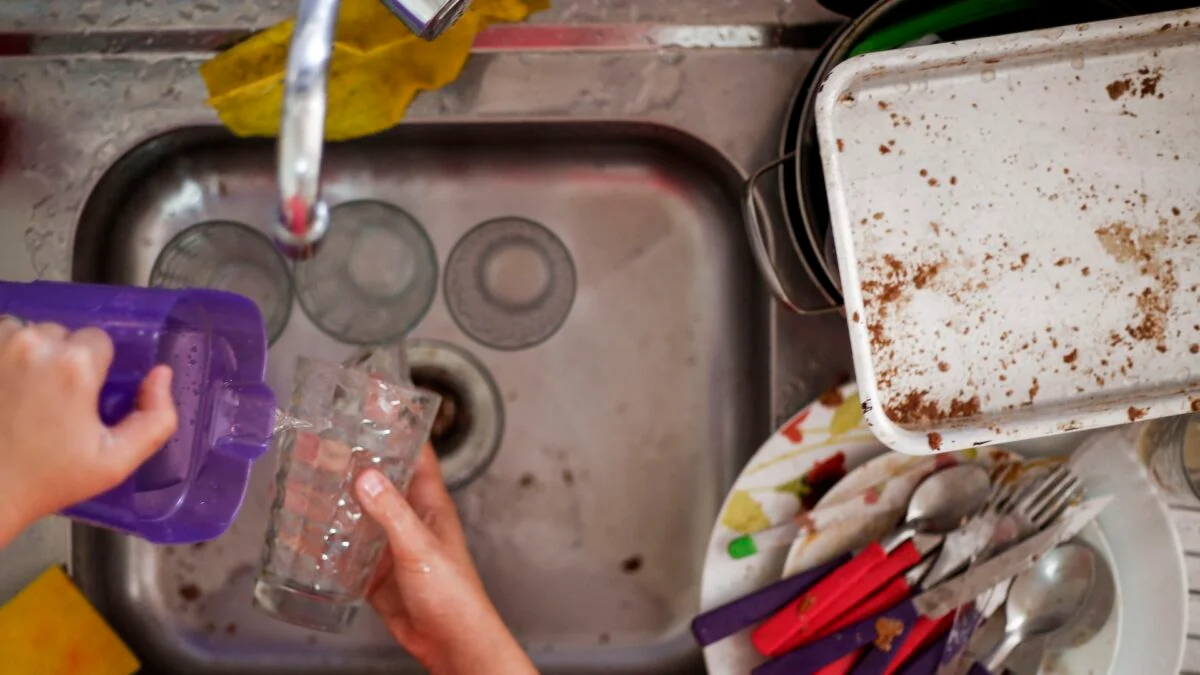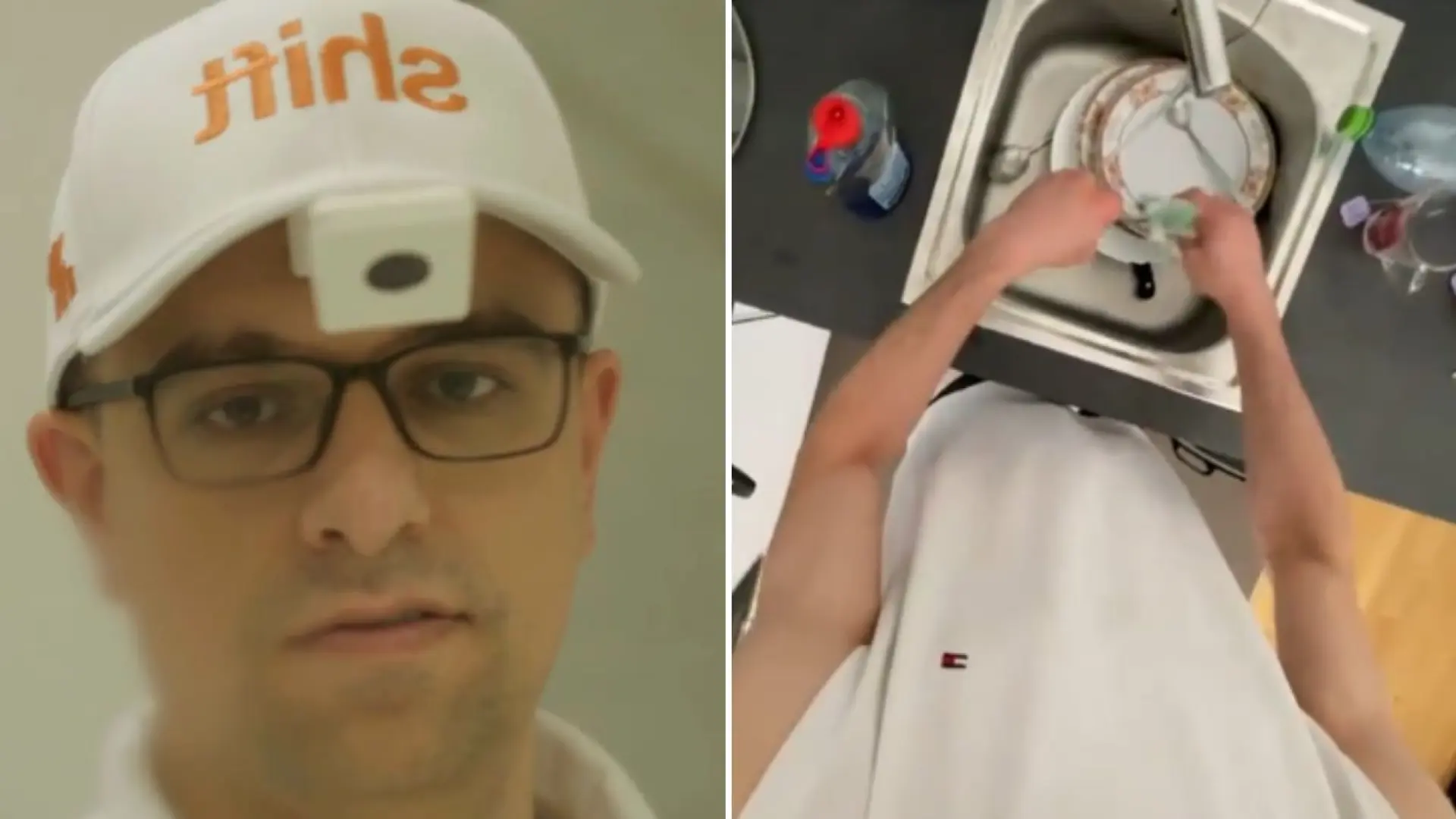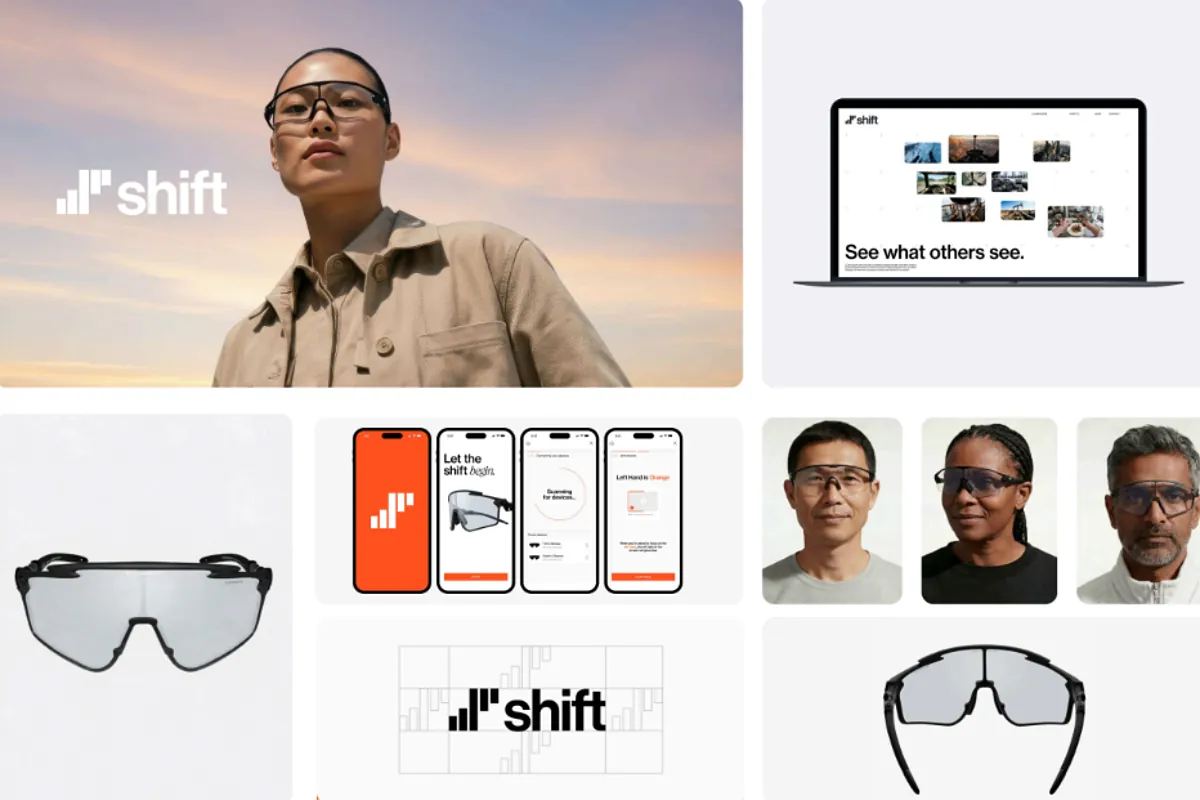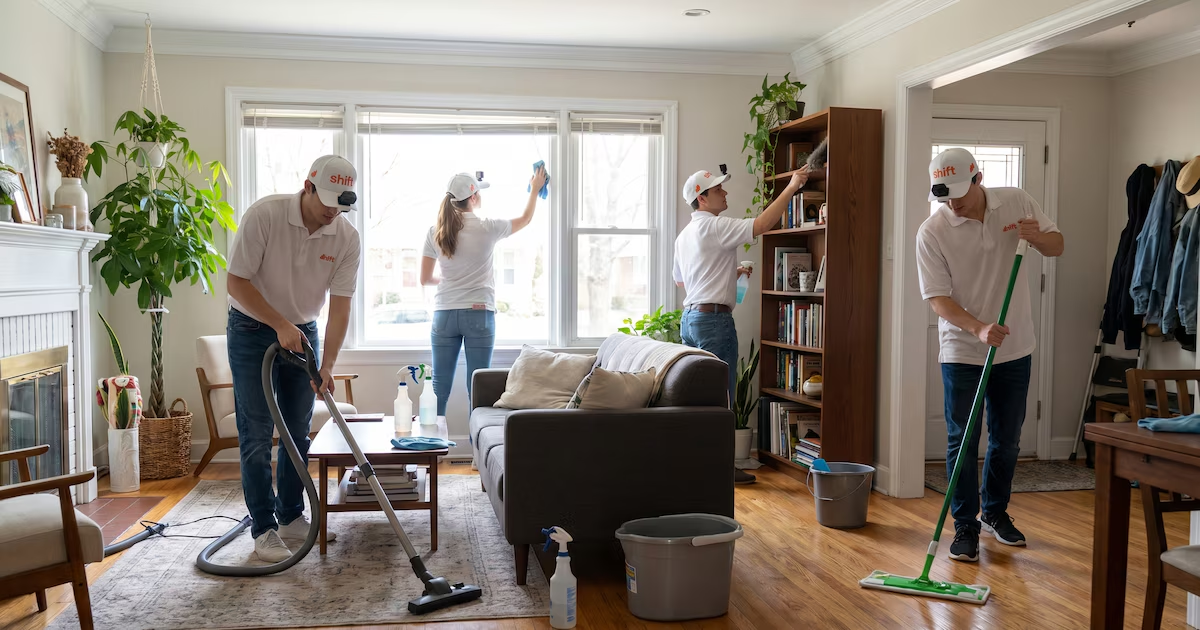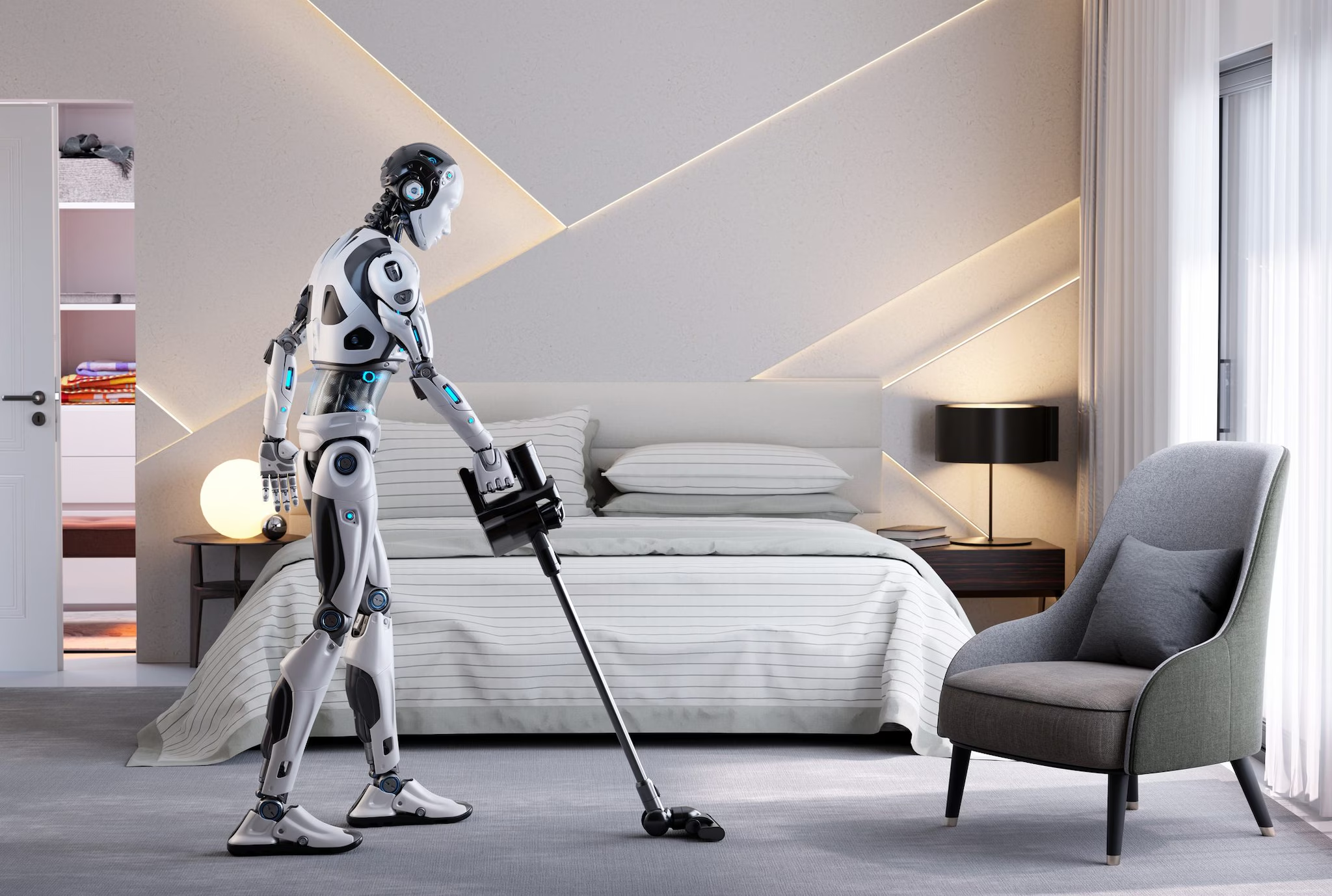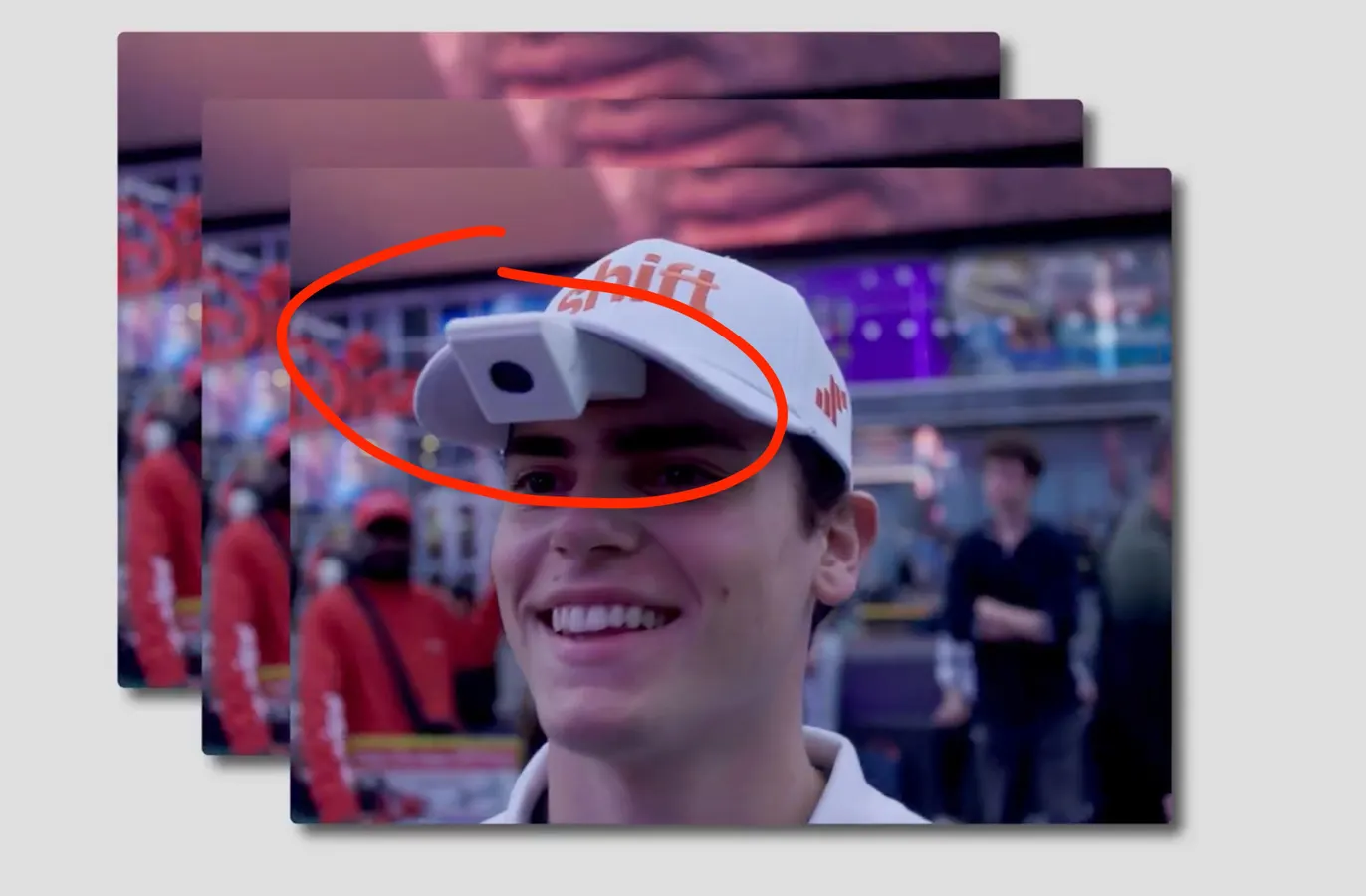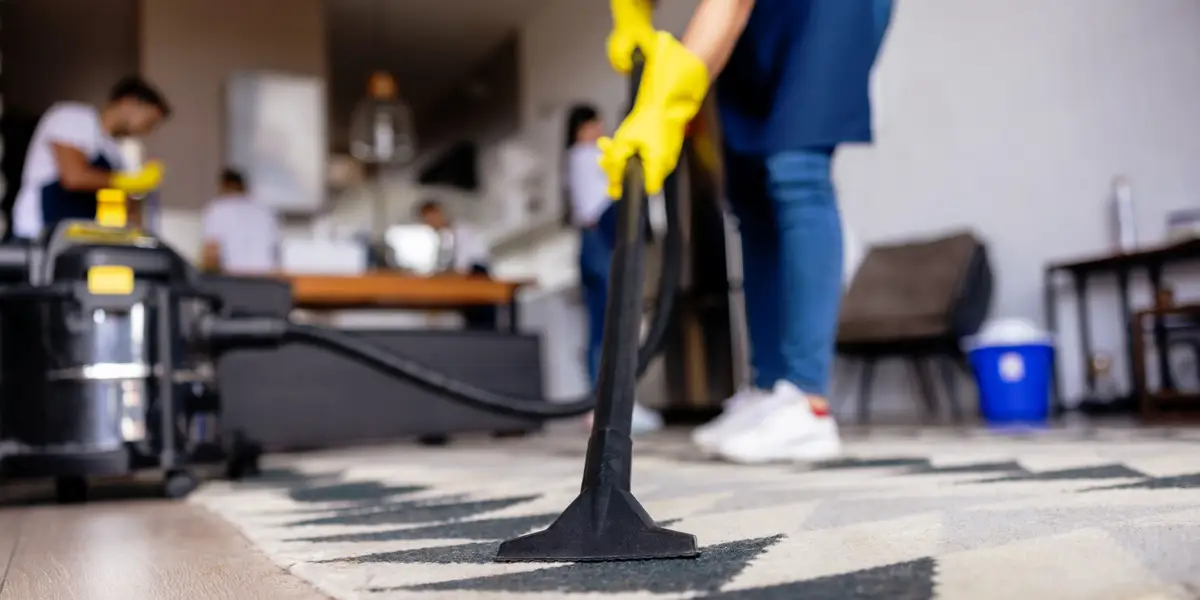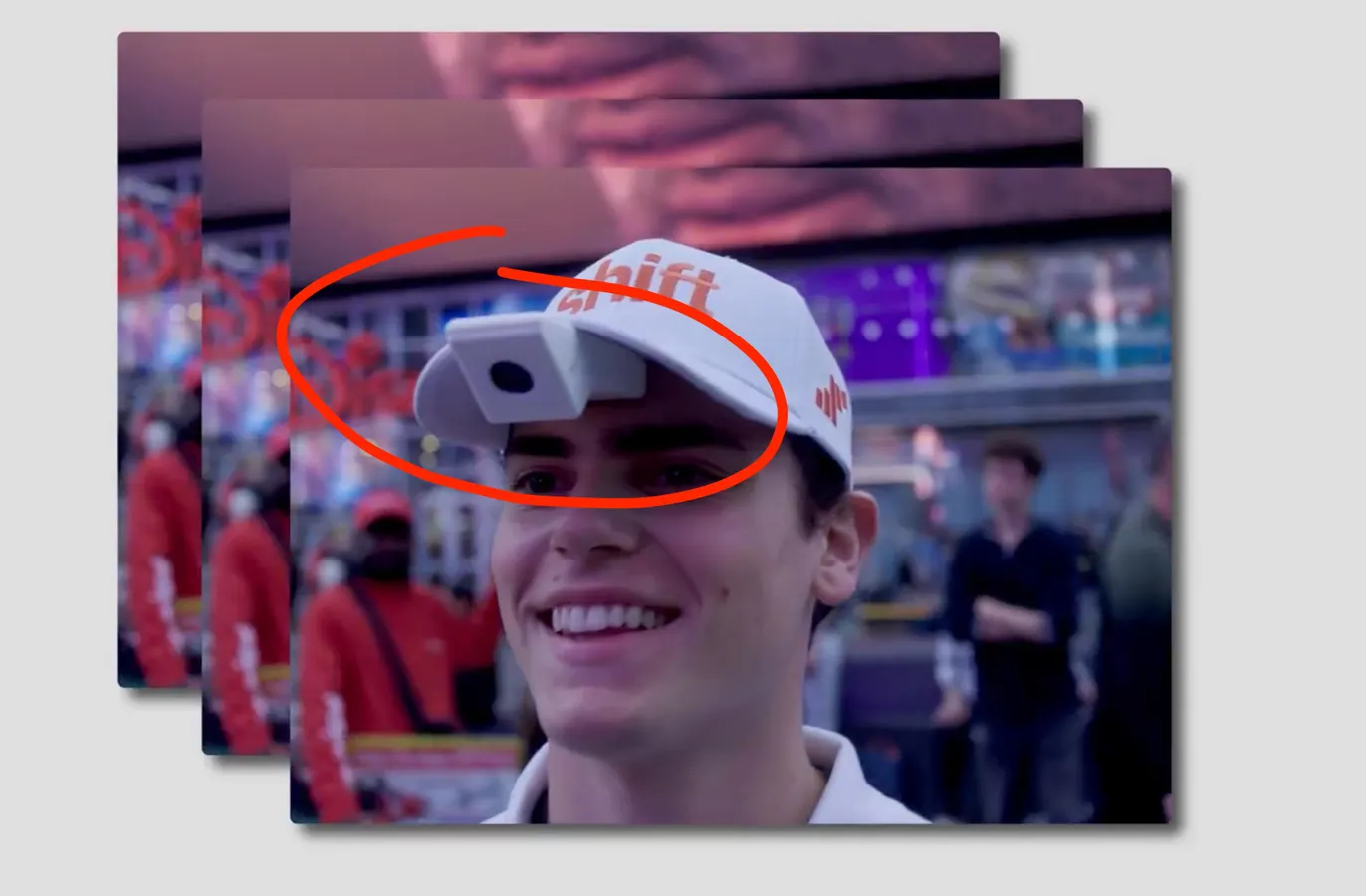
Shift will clean your home for free. The cost: data captured by a camera the cleaner wears, which will be used to train humanoid robots.John KoetsierShift will clean your home for free. The cost: data captured by a camera the cleaner wears, which will be used to train humanoid robots. “Tomorrow’s robots learn from today’s work,” says the startup, which employs robot trainers globally but is launching the home cleaning service in New York.People are jumping on the opportunity.“A vetted shift operator comes to your home wearing one of our devices. They clean. They leave. You pay nothing,” the company said in a post on X yesterday. “In exchange, we record the cleaning. Robotics is being built on data about how people do daily tasks, and the value of that recording is what funds the service.”The post already has thousands of likes and retweets, and over 1,000 replies, thanks to Shift asking people to comment in exchange for receiving an early access link to the service.The challenge, of course, is privacy. You might wonder: video of my home is now being recorded? Who gets that video? Who sees it? That’s the seemingly sticky part of the free home cleaning service. Shift does say that “anything personal in it is anonymized before the recording is processed,” but clearly, removing “anything personal” is at least some kind of processing. All of that said, clearly, thousands of people are willing enough to trade their personal data for free home cleaning.The big reveal, here, however, is just how valuable robot training data is becoming. Housecleaning can easily cost from $50 to $250, depending on what the cleaners do, and somehow that data is valuable enough to robot makers like Figure, 1X, Agibot, Apptronik, Neura Robotics, the UK’s Humanoid and others to make it worthwhile.MORE FOR YOU“The home environment is the biggest challenge,” Mat Gilbert, director of AI and data at Synapse, told me in a TechFirst podcast last year. "It's almost the last frontier for autonomous robotics. They're very unstructured environments."Gilbert says the first wave of physical AI happened largely out of public view, inside warehouses and factories, but the next wave will be visible to everyone, with service robots showing up in airports and restaurants, bringing us drinks and food. And, I might add, in our homes.That’s a place US humanoid robot maker 1X is targeting with its Neo robot explicitly. I just interviewed 1X director of product Dar Sleeper, and will be publishing that shortly.Data is the key to making robots smarter, and it looks like Shift has found a way to make us give up our data quite happily indeed.One person I think of too, however, is the actual human doing the cleaning just so that humanoid robots can be trained to do the same job. That’s conflicting, and it should be: we want robots to do work so that humans can do and be more. But we also want humans to be able to support themselves and their families, and we currently do that by trading time for money.We’re on the cusp of breaking that contract, and we don’t have an obvious new one in place.
You Can Get Your Home Cleaned For Free If You Let Robots Watch
Want a clean home? You can get it for free ... if you let cleaners be recorded while working. The data? It will be used to train humanoid robots ...
TL;DRAI
Shift offers free home cleaning in NYC — operators wear cameras, footage sold to humanoid robot makers as training data. Home-environment video now offsets $250 cleaning fees, marking it as the key data bottleneck for physical AI labs building service robots.
526 words~2 min read