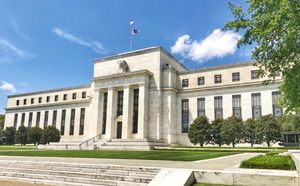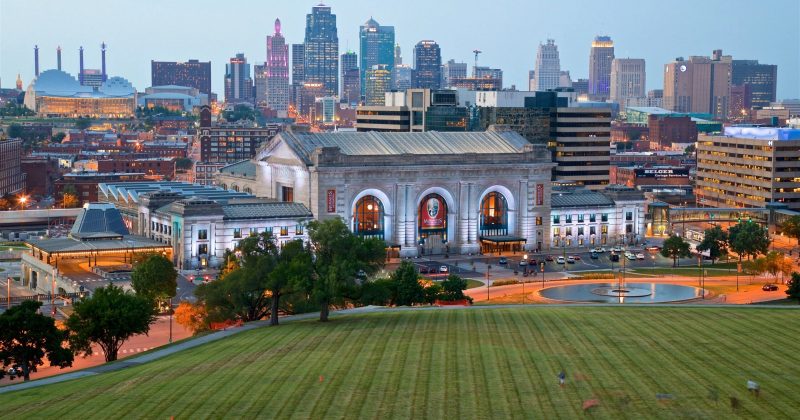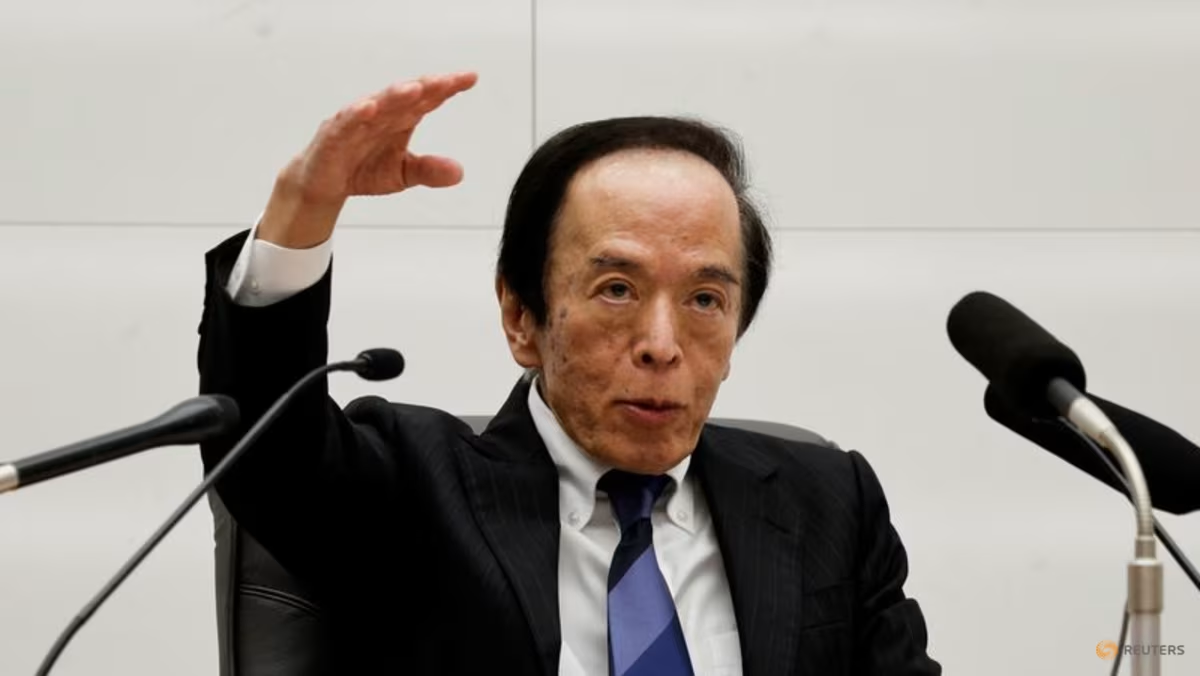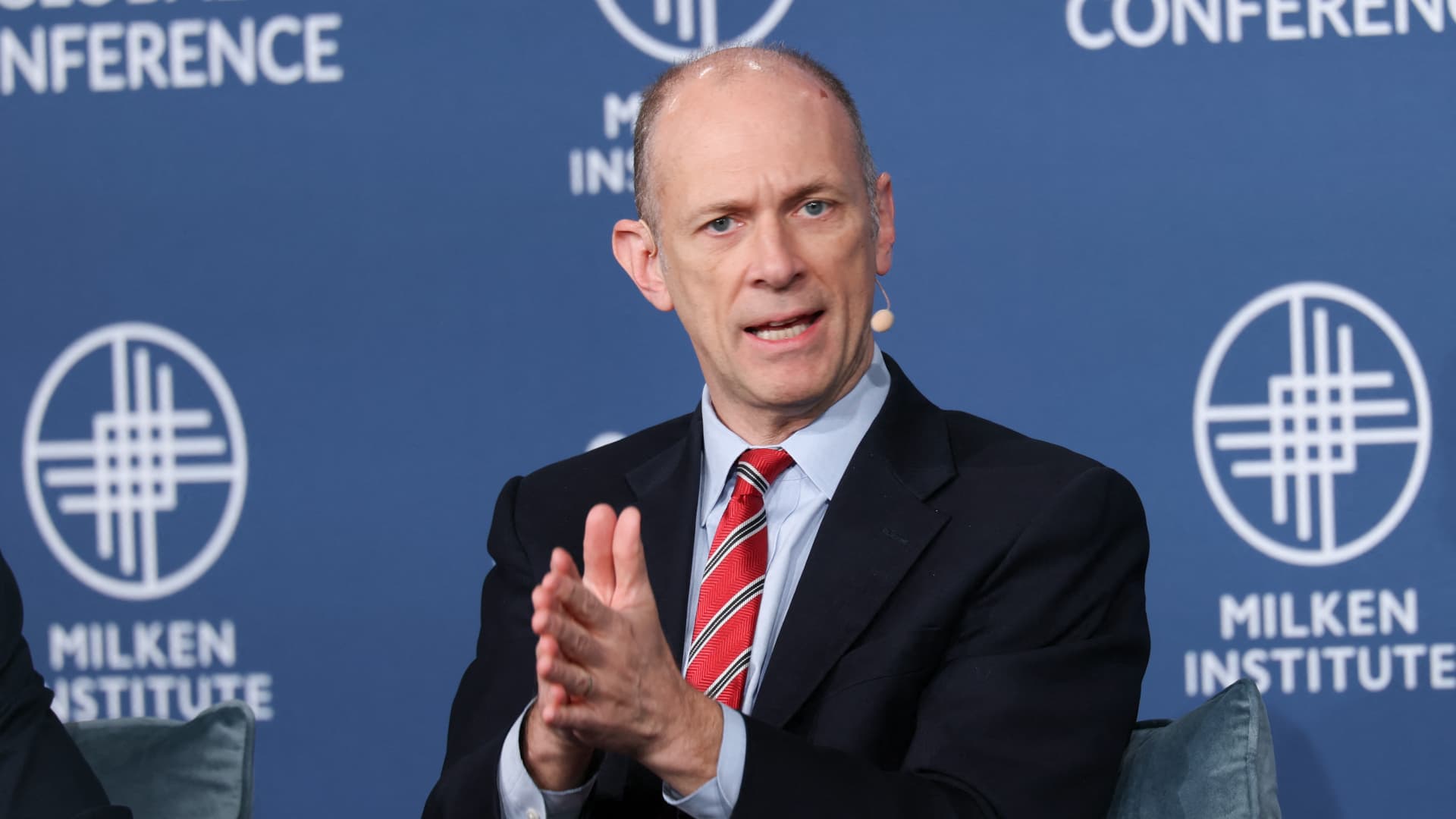
Federal Reserve Bank of Kansas City President Jeffrey Schmid has warned that the current global energy shock cannot simply be dismissed as transitory, given already-elevated baseline inflation. Speaking at a conference in Iceland, Schmid pointed out that inflation has stalled near 3% and remained above the Fed's 2% target for a long time, making it challenging for the central bank to "look through’’ surging oil prices. Schmid has argued that current monetary policy may not be restrictive enough, reinforcing his hawkish stance on monetary policy. Schmid has suggested that the Fed may need to consider utilizing its balance sheet as an additional tool to cool down the economy.“We're not very restrictive at this stage and I think there's some dialogue that we need to start considering what tools we have to really make it a little bit more restrictive depending on how the oil shock plays out in an environment of already high inflation," the official said. ‘‘Maybe we look at the balance sheet again as another tool to...create some restriction," he added, suggesting some sort of new drawdown in Fed holdings.Despite high prices driven by geopolitical conflict, Schmid noted that U.S. energy firms are practicing extreme capital discipline and are reluctant to increase oil production due to price uncertainty. However, Schmid has affirmed that whereas high energy prices are draining consumer purchasing power, the overall economy remains resilient, with steady growth and a balanced labor market.Schmid’s warning comes hot on the heels of another hawkish stance by yet another Fed official. Dallas Federal Reserve President Lorie Logan recently warned that the world needs to cut its oil and gas consumption to keep energy prices down. Logan was one of three Fed policymakers who strongly objected to post-meeting statement language that hinted the Fed's next move would be an interest rate cut following the April 2026 Federal Open Market Committee (FOMC) meeting. Logan argued that forward guidance should accurately reflect the policy outlook, and that because inflation risks were elevated, an interest rate hike was just as likely as an interest rate cut.By Alex Kimani for Oilprice.comMore Top Reads From Oilprice.comSaudi Arabia Expected to Slash Oil Prices AgainNorway Lobbies to Persuade EU to Drop Arctic Drilling BanJapan Crude Imports Fell 66% in April
Kansas Fed Pres Warns Oil Price Shock Might Not Be Transitory | OilPrice.com
Federal Reserve Bank of Kansas City President Jeffrey Schmid has warned that the current global energy shock cannot simply be dismissed as transitory, given already-elevated baseline inflation
373 words~2 min read