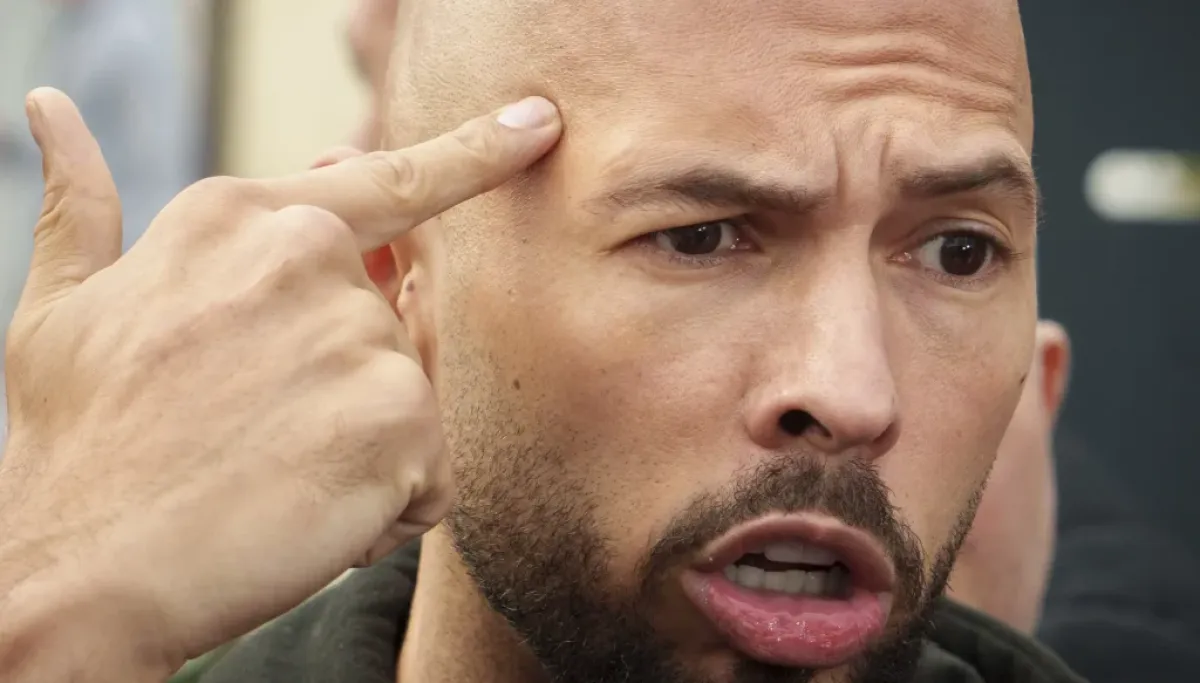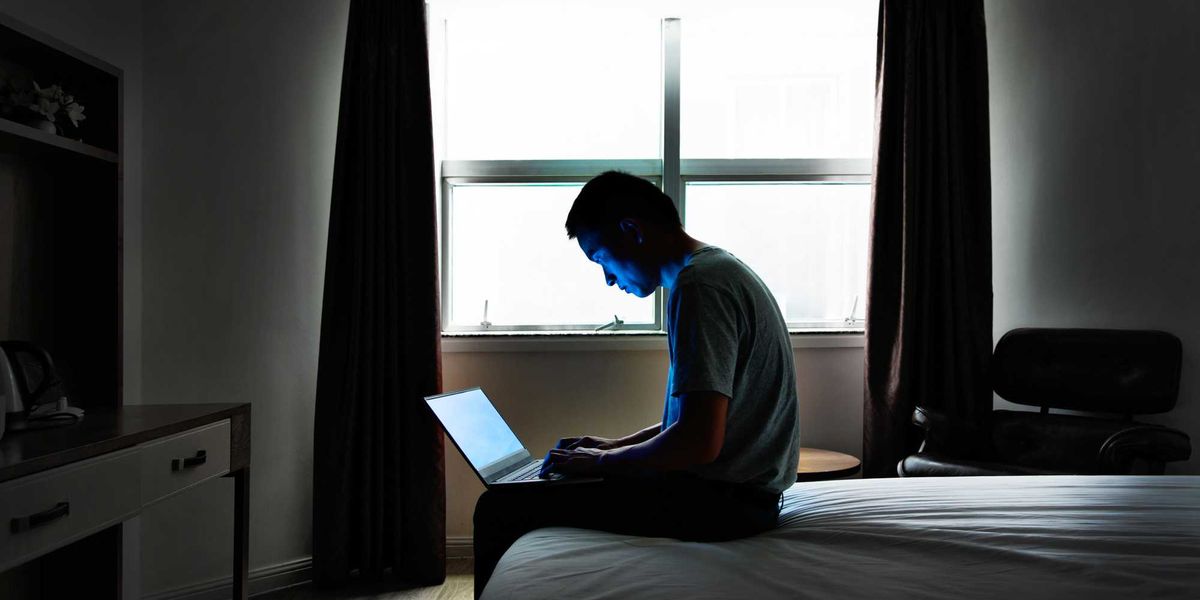
Lately, though hardly for the first time in history, masculinity has become associated with “crisis.” Between gambling and gooning, alienation and AI, resentment and depression, loneliness and economic anxiety, an emergency distress signal is, according to writers and posters, blaring from men and media about them. “We stand splattered in discourse, ears ringing from the unceasing alarm over men and their prospects,” Parul Sehgal wrote in the New York Times last December.
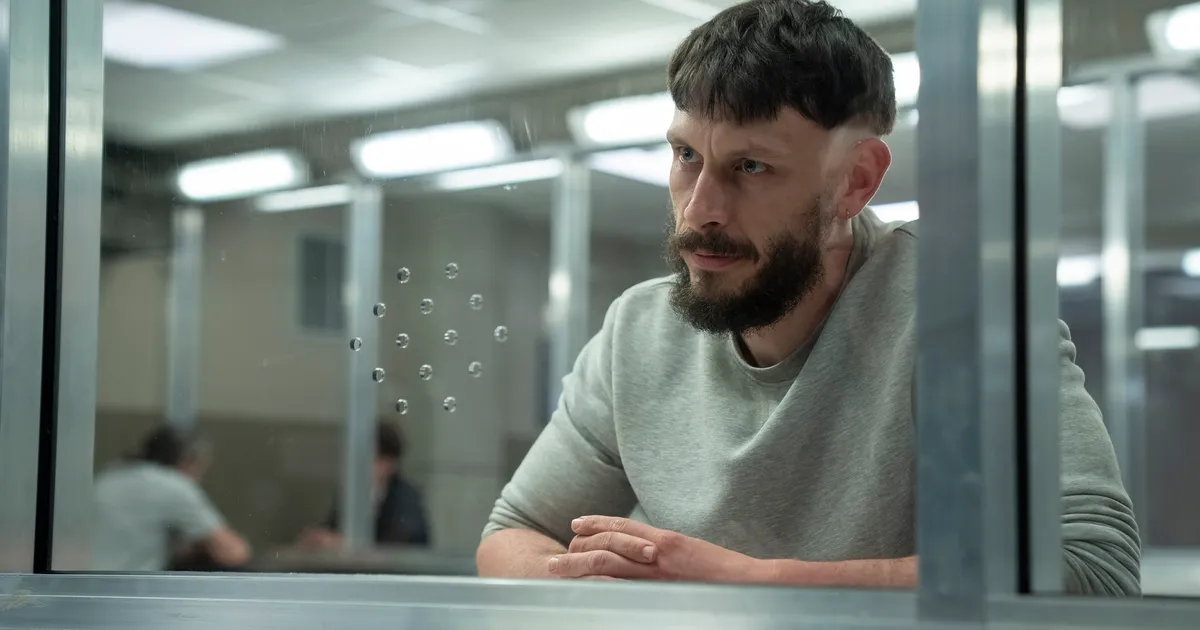
Several television shows have attempted to wring comedy and pathos from this situation as it’s experienced by some subset of the population. In an essay for The Wall Street Journal last month, Michael Ian Black identified three recent comedies — Your Friends and Neighbors, DTF St. Louis, and Rooster — about “self-doubting, affluent white male characters dealing with a world that no longer gives priority to their needs.” Half Man, Richard Gadd’s visually and spiritually bleak new miniseries on HBO and BBC, is likewise worried about the state of men but otherwise bears little resemblance to these shows. It’s about working-class Scottish men, for one thing. More importantly, it forgoes timeliness and humor for timelessness and solemnity — proposing, in its strident and laborious way, that the blinkered pursuit of manliness is itself a stalwart producer of crisis.