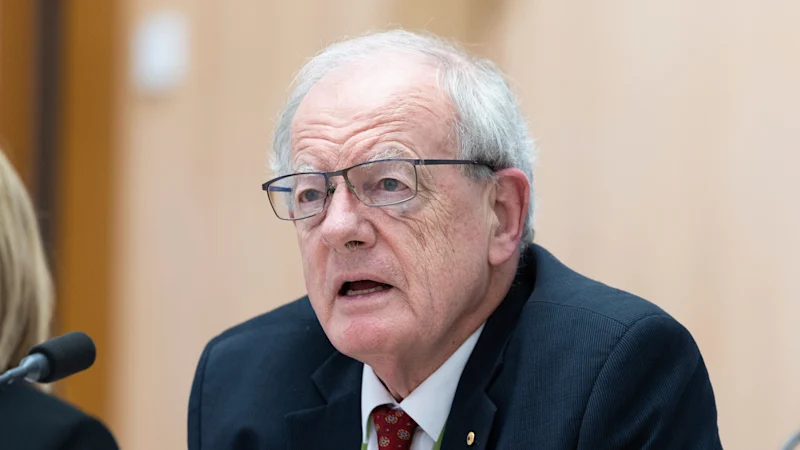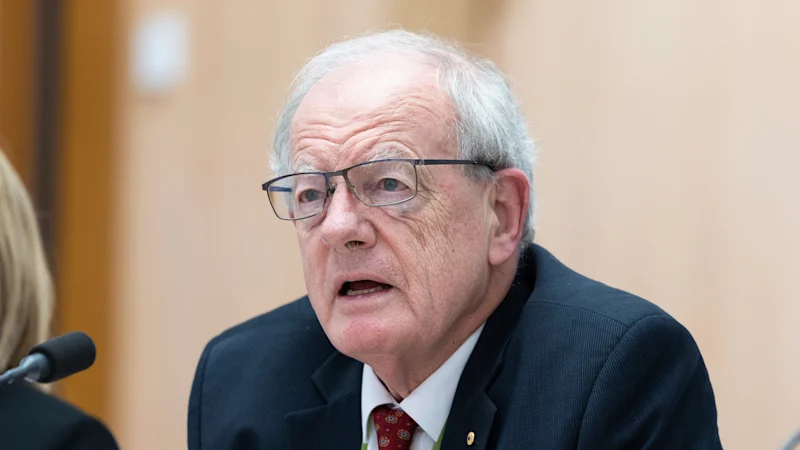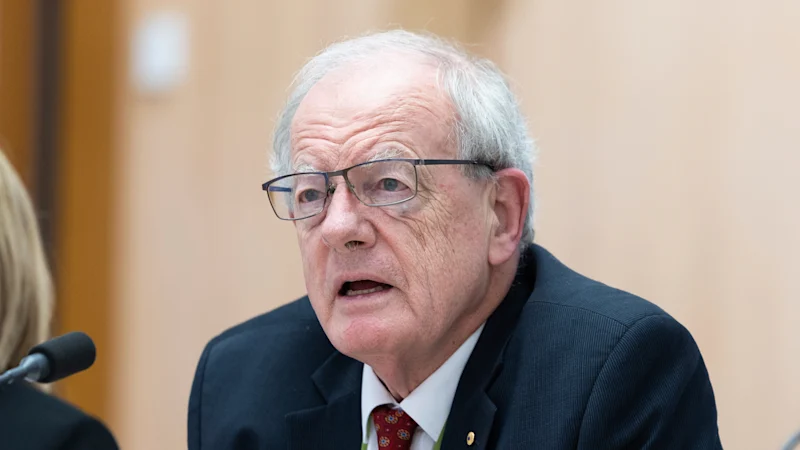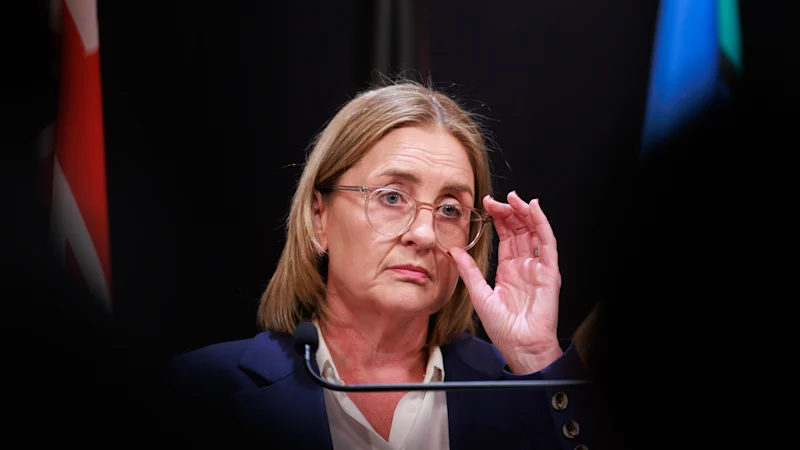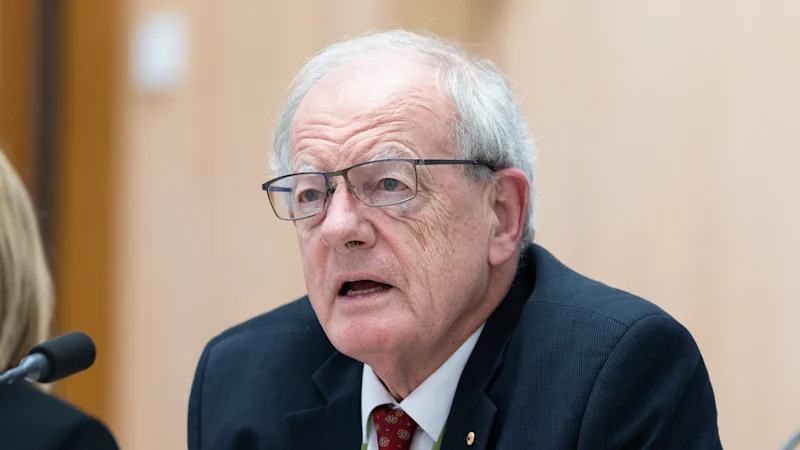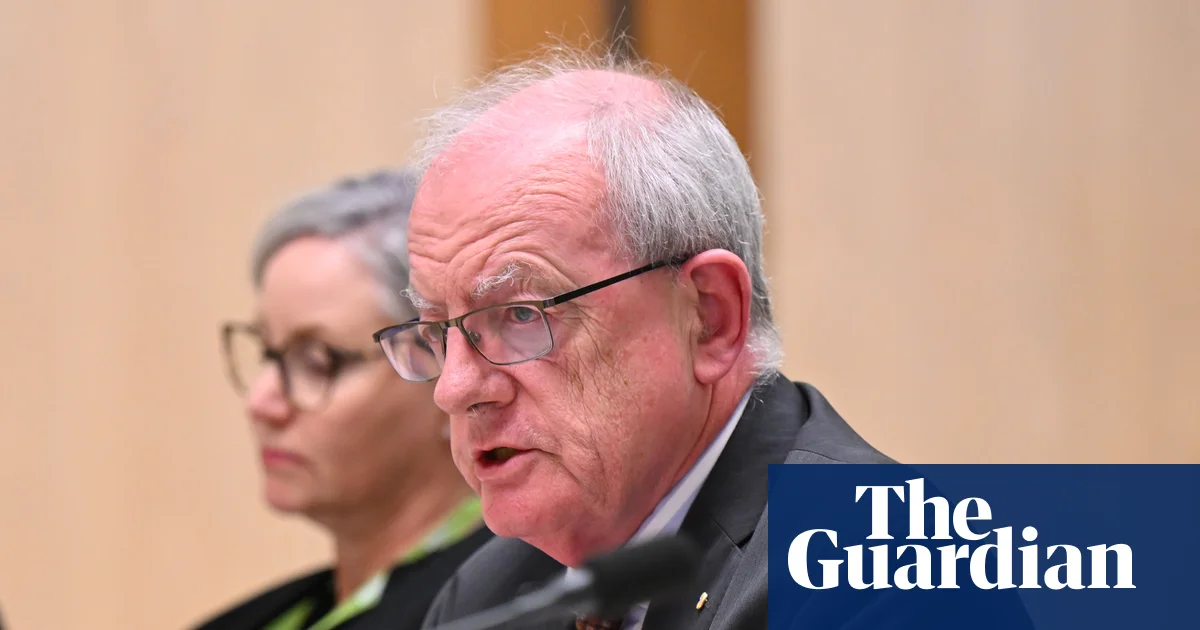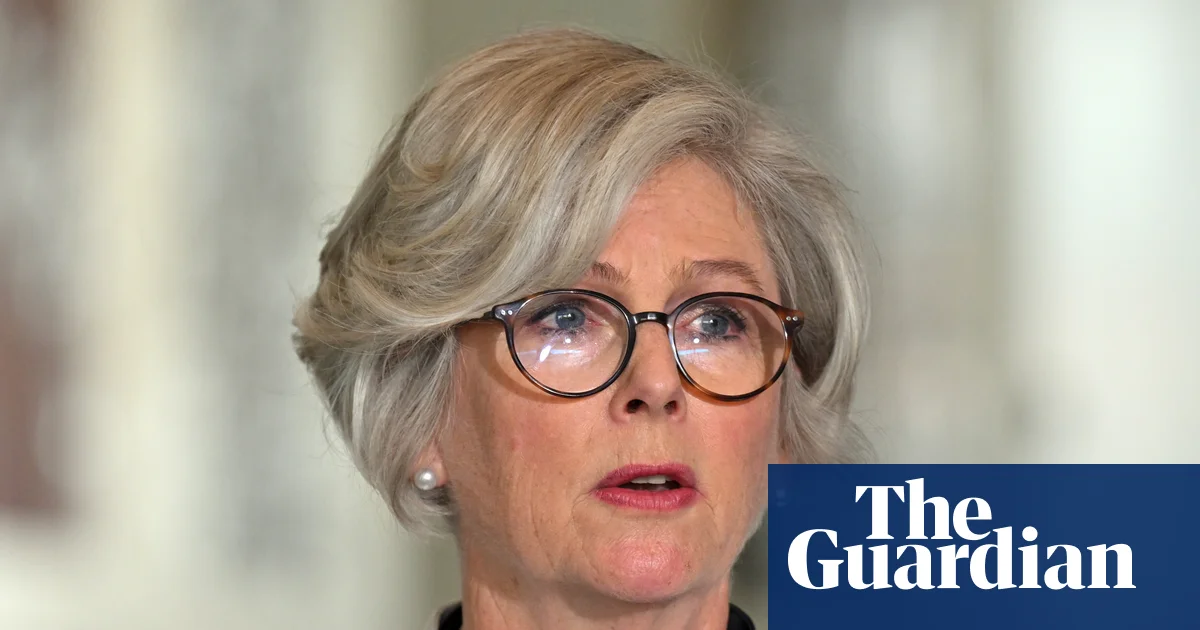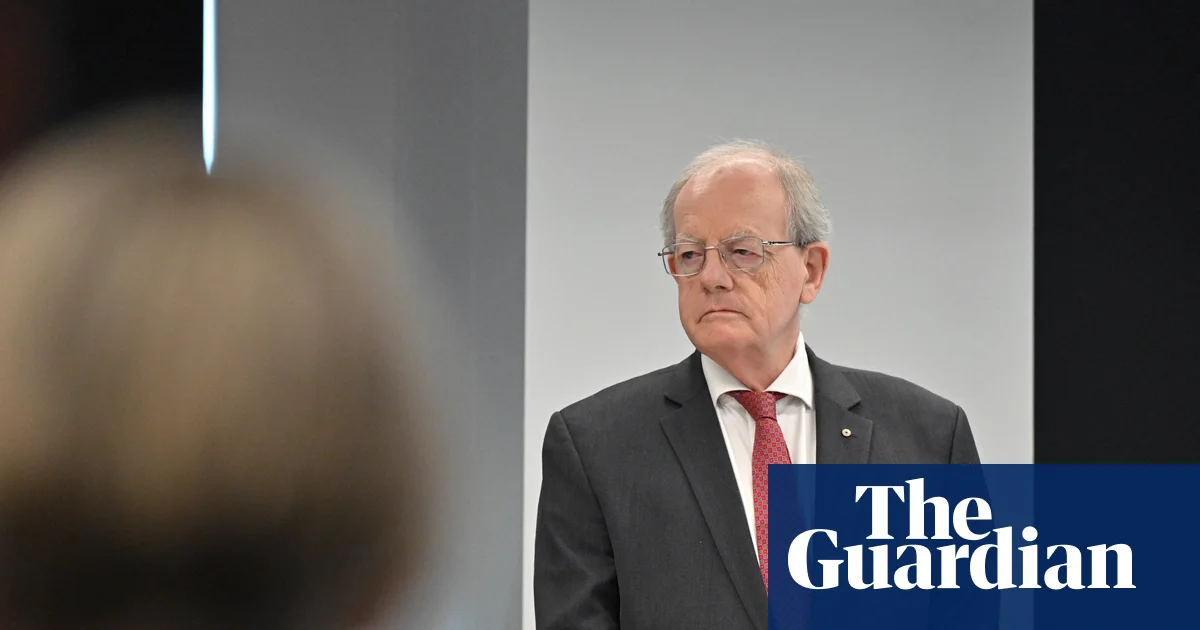
Things were off to a bad start even before Paul Brereton sat down at the witness table. A judge of the NSW court of appeal, a war crimes investigator and the inaugural boss of the National Anti-Corruption Commission (Nacc), Brereton is usually the one requiring witnesses to answer questions.But on Tuesday night, he was forced to front up to budget estimates hearings for the first and only time as the boss of the Nacc.Brereton’s attendance was only guaranteed because of a vote in the Senate directing him to appear. Quickly, things turned tense and belligerent.Over more than two hours, Brereton answered questions about the commission’s difficult first three years of operations, including the bungled robodebt royal commission referrals and Brereton’s poor handling of conflicts of interest declarations.Coming a day after he announced plans to quit in July – two years ahead of the end of his term – the hearing illustrated why public confidence in the commission is in the toilet and just what the government’s planned “reset” needs to achieve.In short, the Nacc needs a second chance to demonstrate its authority to stop serious corruption and a second chance to win the trust of the Australian people.Answering questions from the Greens’ David Shoebridge and independent David Pocock, Brereton said he was stepping down because the ongoing focus on his own conduct was a distraction.Sign up for the Breaking News Australia emailThere are now two active investigations by the commission’s independent inspector, Gail Furness, into Brereton himself; the second probe was only revealed this week. Its subject is unknown, but Furness made clear it was about his conduct as commissioner.The first relates to Brereton’s consulting work for his previous employer, the inspector general of the Australian defence force. Brereton recused himself from defence matters before the Nacc because of ongoing involvement in the Afghanistan war crimes investigation, but in October last year was asked by the attorney-general, Michelle Rowland, to explain why his consulting commitments had not been appropriately disclosed.In 2024, the Nacc said it would reconsider a decision not to start a corruption investigation into the robodebt saga after a finding that its initial refusal was “affected by apprehended bias” when Brereton failed to properly recuse himself.This was despite his ongoing association with the former Human Services Department secretary Kathryn Campbell, who was an army reserve colleague of Brereton’s and the subject of adverse findings in the royal commission report. Furness found he had engaged in officer misconduct, though the conduct was not unlawful and arose from a mistake of law or fact.The Nacc’s original decision on the robodebt revelations prompted some 900 public complaints and did more than anything to erode public trust.Declaring himself “old enough, ugly enough and still just robust enough” to push back on criticism, Brereton told estimates that some Nacc staff might not be so tough in the future, implying they could face bullying when called to give evidence by parliamentary committees.He said the Nacc staff were “terrified” of making any mistake of fact or law, “because they fear they will be visited with a finding of officer misconduct”.For his part, Brereton says the Nacc has done good work exposing corrupt conduct in law enforcement, the public service and government procurement. He said 92% of the 7,624 Nacc referrals have been assessed.There are 34 investigations under way covering former or current MPs and staff, senior public servants, contractors and consultants, and a federal grants scheme.“Fair and thorough investigations take time, and the outcomes of these and other investigations will emerge in due course,” he said.Brereton sounded terse during the hearing, risking the impression that he would have preferred not to be facing questions as part of parliamentary scrutiny. Greens senator Barbara Pocock accused him of “belittling of citizens’ complaints”.His tone was in stark contrast to evidence from Furness herself in the next session, when she plainly and directly answered questions to explain her oversight work.On Friday, Rowland confirmed the government believes the Nacc needs a proper “reset” under its next commissioner. Labor campaigned on setting up the commission in the 2022 election campaign, and much of the design work was led by former attorney general Mark Dreyfus, in concert with crossbenchers including Victorian independent Helen Haines.Guardian Australia understands Rowland met with Haines privately at Parliament House on Thursday afternoon, discussing the Nacc’s shortcomings so far and the need for much greater transparency, including on the critical question of public hearings.Seeking to avoid what some have criticised as political show trial-like inquiries (such as at the NSW Independent Commission Against Corruption), Labor agreed to limit public hearings to cases involving “exceptional circumstances”. When asked what conditions would meet such a standard, Brereton said he would know them when he saw them. None have been held.Asked about public hearings, Rowland says day-to-day operations are matters for the Nacc, but stressed the public needed to have confidence in its work.Critical to the process will be a statutory review of the Nacc’s functions, which legislation requires take place after five years of its operations, a deadline due in 2027.Haines wants much greater transparency on recruitment of the new commissioner and a new deputy, including tougher parliamentary oversight of the appointments process. She has specifically pointed to management of conflicts of interest as one area to improve public confidence.The parliamentary committee Haines helps lead has already urged the Nacc to move faster on referrals and overhaul its processes to build trust.Shoebridge, who negotiated with Labor to create the Nacc inspector as an oversight mechanism, says the commission needs to be tougher about taking on serious investigations and give regular updates on where probes are up to. He also wants complainants to receive more information about their referrals and insists the new commissioner must not be “a member of the Canberra club”.Rowland should be bold. Rather than a reset, the Nacc needs a serious overhaul. Picking the right commissioner and adjusting the balance between operational secrecy and public scrutiny is badly needed.Choosing someone with better attitude to parliamentary scrutiny than Paul Brereton would be a good first step.
Labor promised to do something serious about corruption. Now they’ve got a second chance
The Nacc head’s appearance before a Senate inquiry illustrated why public confidence in the agency is in the toilet – and what now needs to be done
TL;DRAI
NACC chief Brereton quits two years early amid two active misconduct probes and the robodebt referral failure that eroded public trust. Labor's reset will expand public hearings and tighten conflict-of-interest rules for public-sector accountability.
1,008 words~5 min read