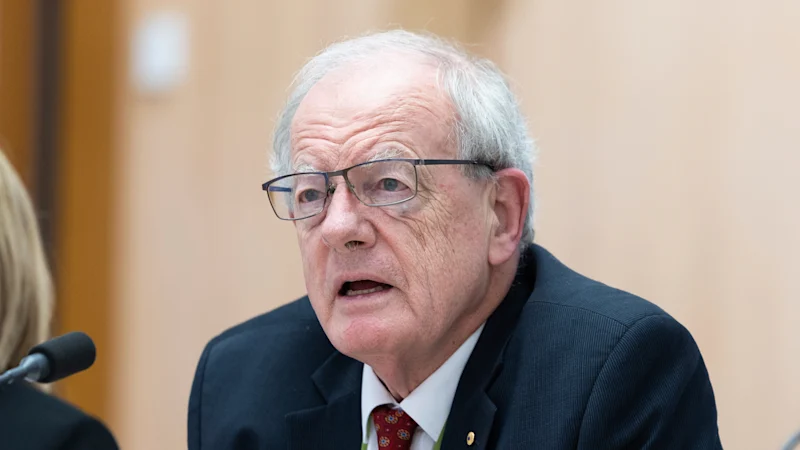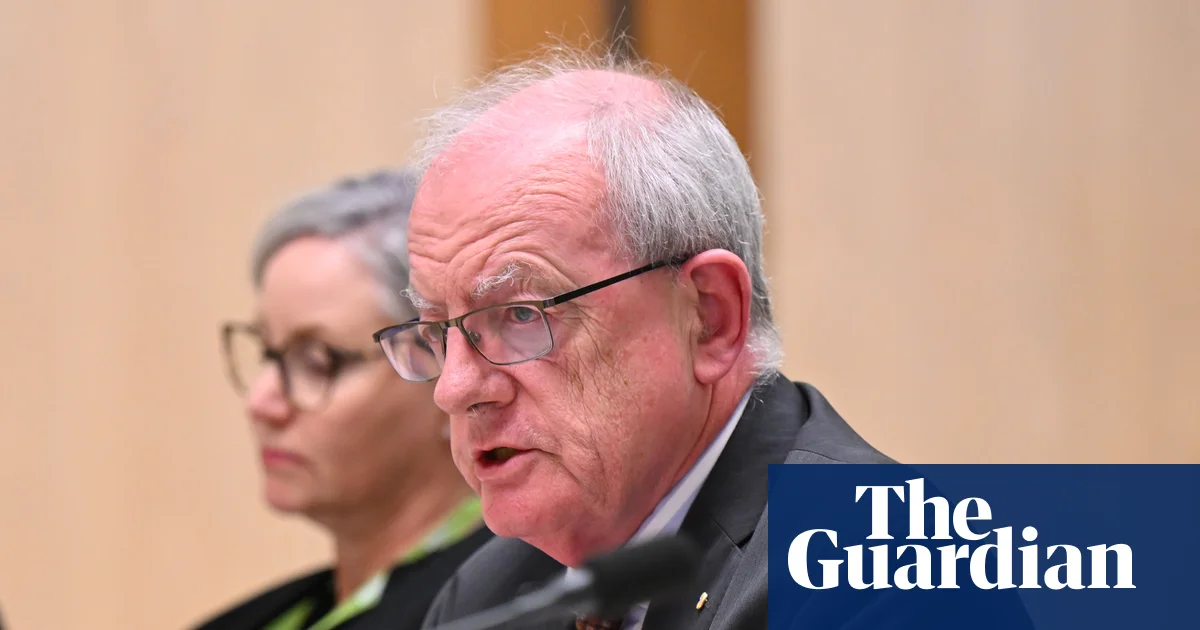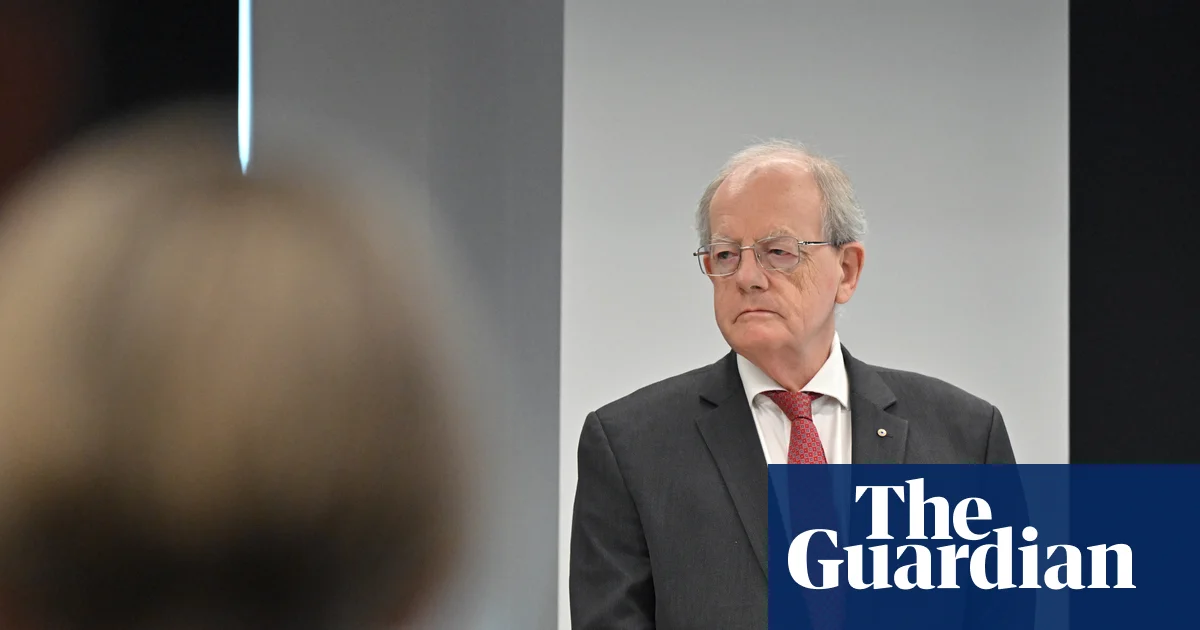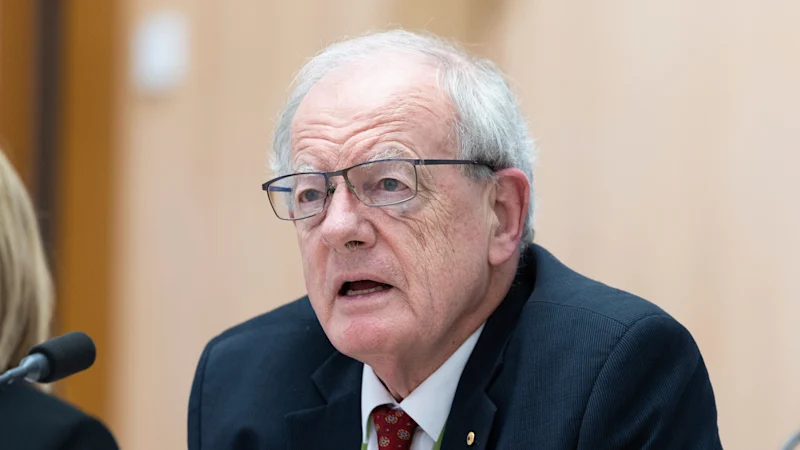
May 25, 2026 — 3:53pmAustralia’s anti-corruption watchdog has been thrown into turmoil after the resignation of its founding commissioner, ending a contentious opening chapter for the integrity body ahead of a looming review of its performance.Paul Brereton, the former army major general, judge and inaugural National Anti-Corruption Commission commissioner, tendered his resignation to the governor-general on Monday and will leave the role on July 6, exactly three years after taking office.NACC chief Paul Brereton will step down in July.Alex EllinghausenBrereton, who previously served as assistant inspector-general of the Australian Defence Force and sat on the NSW Court of Appeal, said sustained focus on issues relating to him personally had become a distraction from the commission’s work.“The ongoing focus on matters relating to me personally rather than the commission’s work is drawing attention away from the commission’s core purpose of strengthening integrity in the Commonwealth public sector, which has always been my primary focus as commissioner,” he said.“While I will continue to resist any suggestion of impropriety, I have decided that it is time, now that the commission is established and functioning with quality staff and good processes, to step aside and allow a new commissioner to lead it into the next phase of its development into a key and respected component of the integrity architecture of the Commonwealth.”He and fellow commissioners are scheduled to face Senate estimates on Tuesday.Brereton’s departure comes before a statutory review of the NACC due in 2027 and after a difficult opening period for the body, which was established to restore public trust in federal government decision-making.The commission drew heavy criticism over its handling of referrals connected to the illegal robo-debt scheme after initially deciding not to investigate despite receiving more than 1000 complaints.Brereton also faced scrutiny over consulting work undertaken for the inspector-general of the Australian Defence Force while serving as commissioner, linked to his earlier role leading an inquiry into alleged war crimes involving Australian troops in Afghanistan.In October 2024, NACC inspector Gail Furness found Brereton had been affected by apprehended bias in matters connected to commission referrals and should have removed himself from decision-making and limited his exposure to factual material. The inspector made no finding of intentional wrongdoing or impropriety.Deputy commissioner Nicole Rose announced her resignation earlier this month. She is relocating overseas and will finish in the coming weeks before taking a period of leave.In announcing his resignation, Brereton argued the commission had matured beyond any one individual and pointed to progress made since its creation, including assessing more than 92 per cent of 7624 referrals and conducting investigations across law enforcement agencies, Commonwealth departments and government business enterprises.Thirty-four investigations remain underway involving former and current parliamentarians, staff, senior public servants, contractors, consultants and a grants scheme.Attorney-General Michelle Rowland thanked Brereton for his service and said he had made “an invaluable contribution” to establishing the watchdog.She said the government would now begin a merit-based process to appoint a new commissioner.Centre for Public Integrity chairman Anthony Whealy said public confidence in the organisation had been tested by ongoing concerns about conflicts of interest, transparency and governance.He said the controversies surrounding Brereton, including findings of apprehended bias and ongoing investigations into the handling of conflicts of interest, had reinforced why strong institutional safeguards matter so deeply to public trust.“We can’t trust the government to choose their own watchdogs,” he said.“There are now two vacancies in the NACC that must be filled following an independent, transparent merit-based appointments process, to restore public trust in that institution. Parliament’s oversight role in the process needs to be properly respected. Ideally, we would see legislated reforms to ensure these things.”Cut through the noise of federal politics with news, views and expert analysis. Subscribers can sign up to our weekly Inside Politics newsletter.From our partners
National Anti-Corruption Commission boss Paul Brereton resigns
Australia’s anti-corruption watchdog has been thrown into turmoil after the resignation of its founding commissioner.
627 words~3 min read