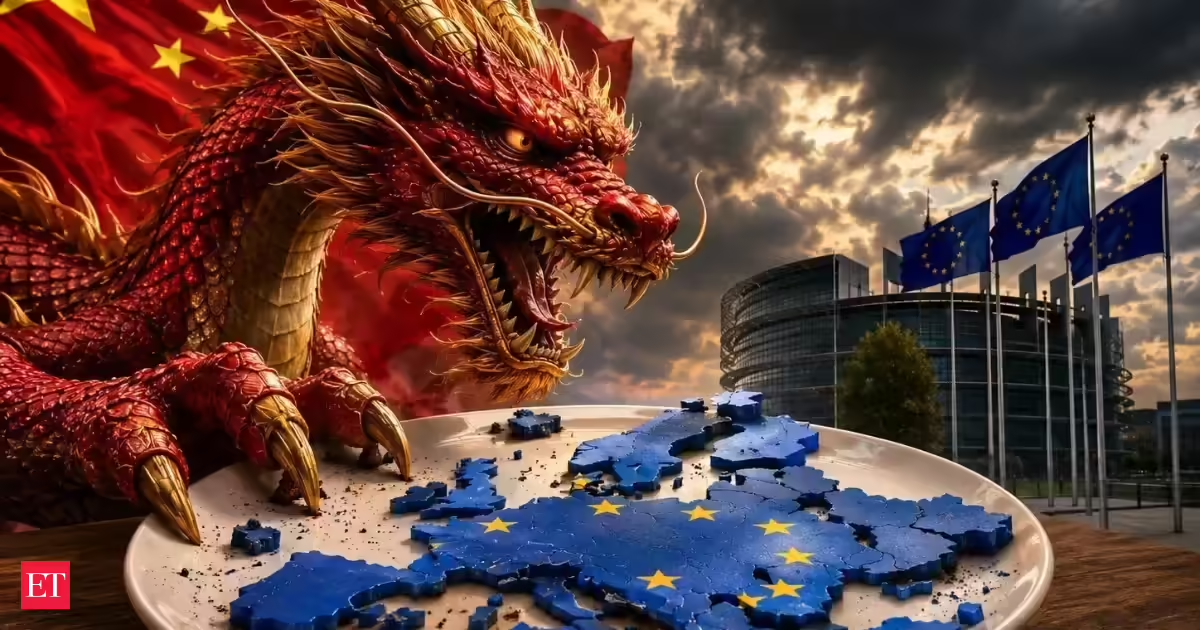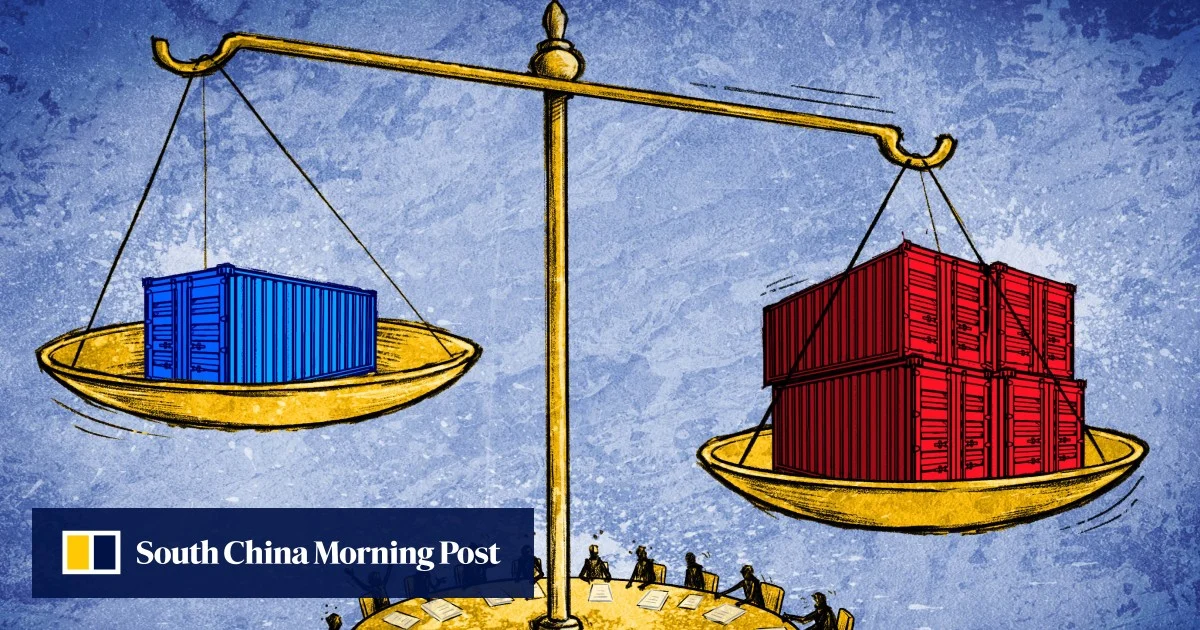
The European Union is holding key discussions on Friday over whether to impose tariffs or other measures against Chinese imports. While symbolic action is likely, that action will likely be delayed and largely watered down. Assuming that is the case, European industries will remain victim to China’s endemic dumping of state-subsidized goods into their markets.The EU’s trade deficit with China is likely to exceed $400 billion this year, with an EU official telling reporters this week that China’s “existential” dumping threat meant 29 million EU-based jobs could be lost. Although the problem is particularly acute in terms of Chinese electric vehicle exports, it extends across numerous sectors. But the EU’s alarm is long overdue.China’s global exports are so cheap not because Chinese manufacturers are especially efficient or productive, but because Chinese manufacturing is very heavily subsidized by the government. But while China likes to export goods without any regard for foreign industries or governments, it adopts the exact opposite stance toward European businesses seeking entry into its markets. These businesses are forced to transfer intellectual property, ownership stakes, and governance authorities in return for doing business in China. They’re also forced to persuade their domestic governments to placate China on political concerns such as Taiwan, human rights, and engagement with the United States.
Will the EU finally get tough on China's 'existential' trade threat? Doubtful
European Union officials are unlikely to take bold action when they meet to discuss new tariffs and quotas on Chinese exports.
738 words~3 min read