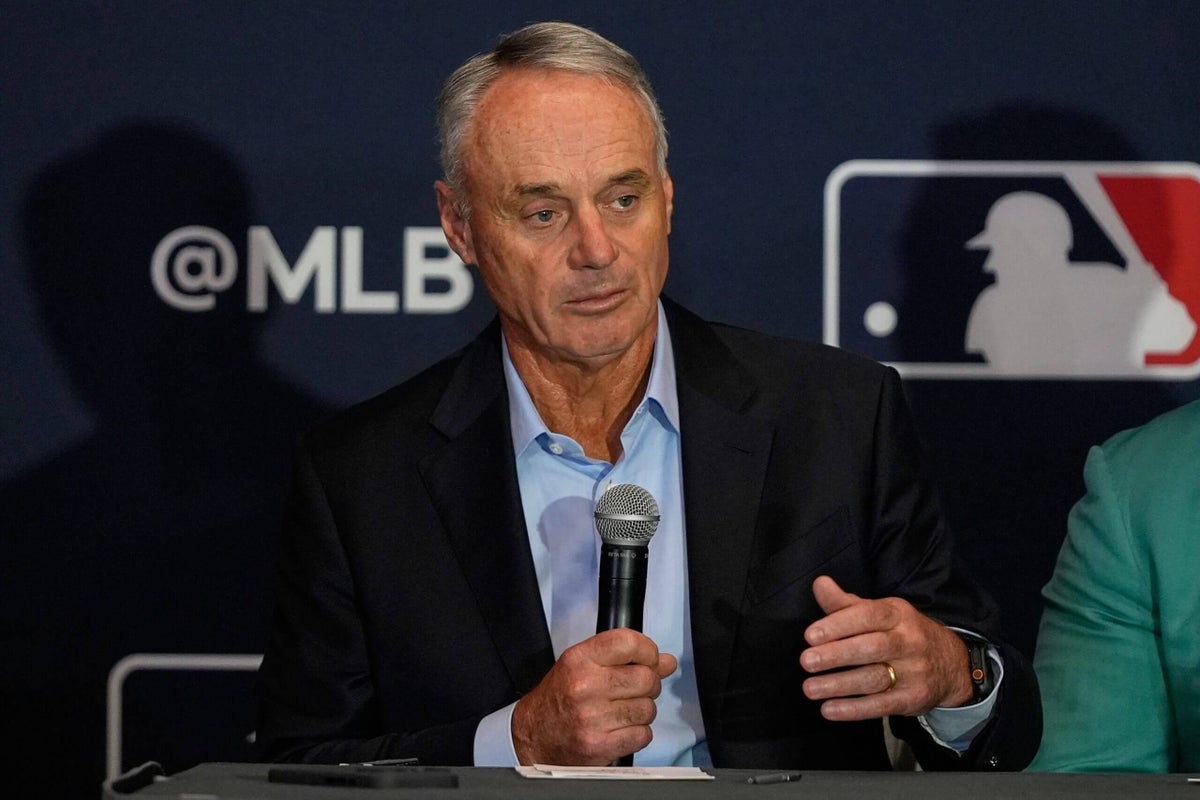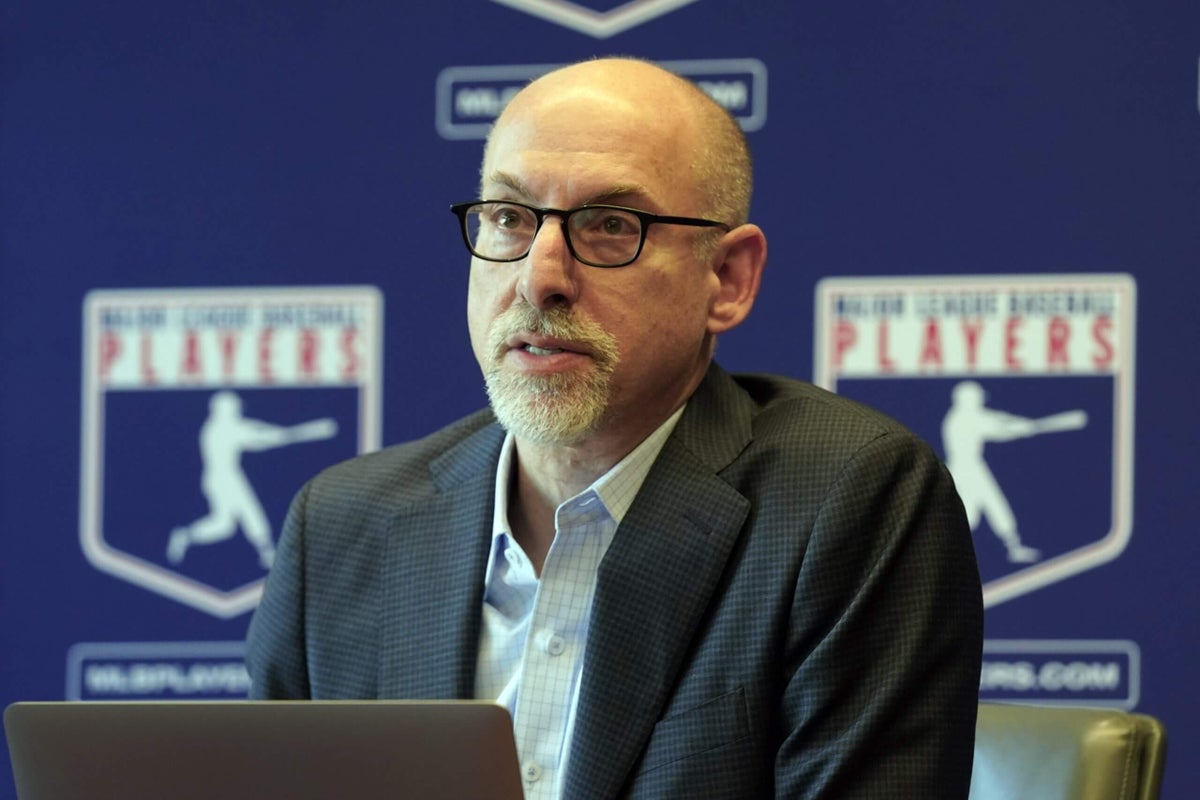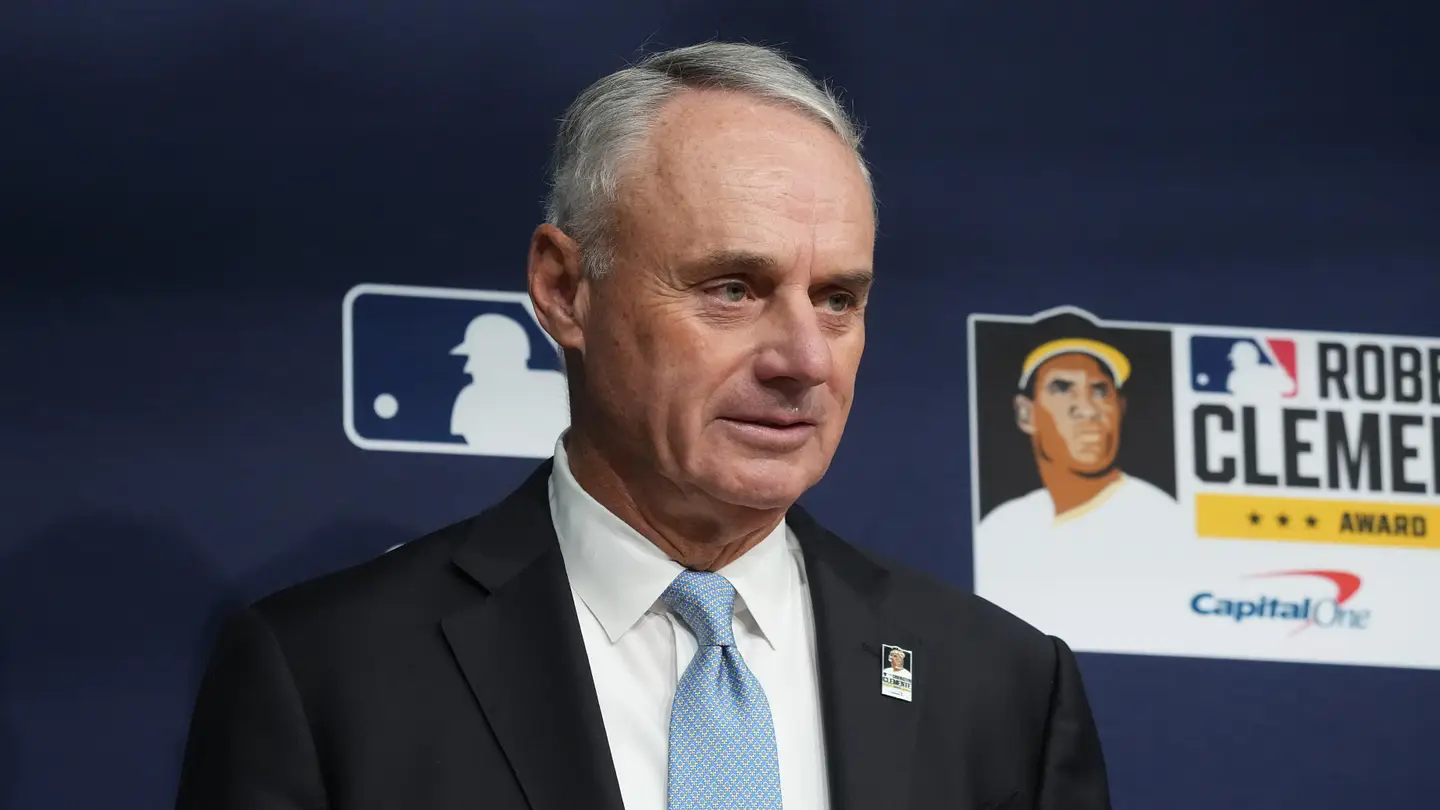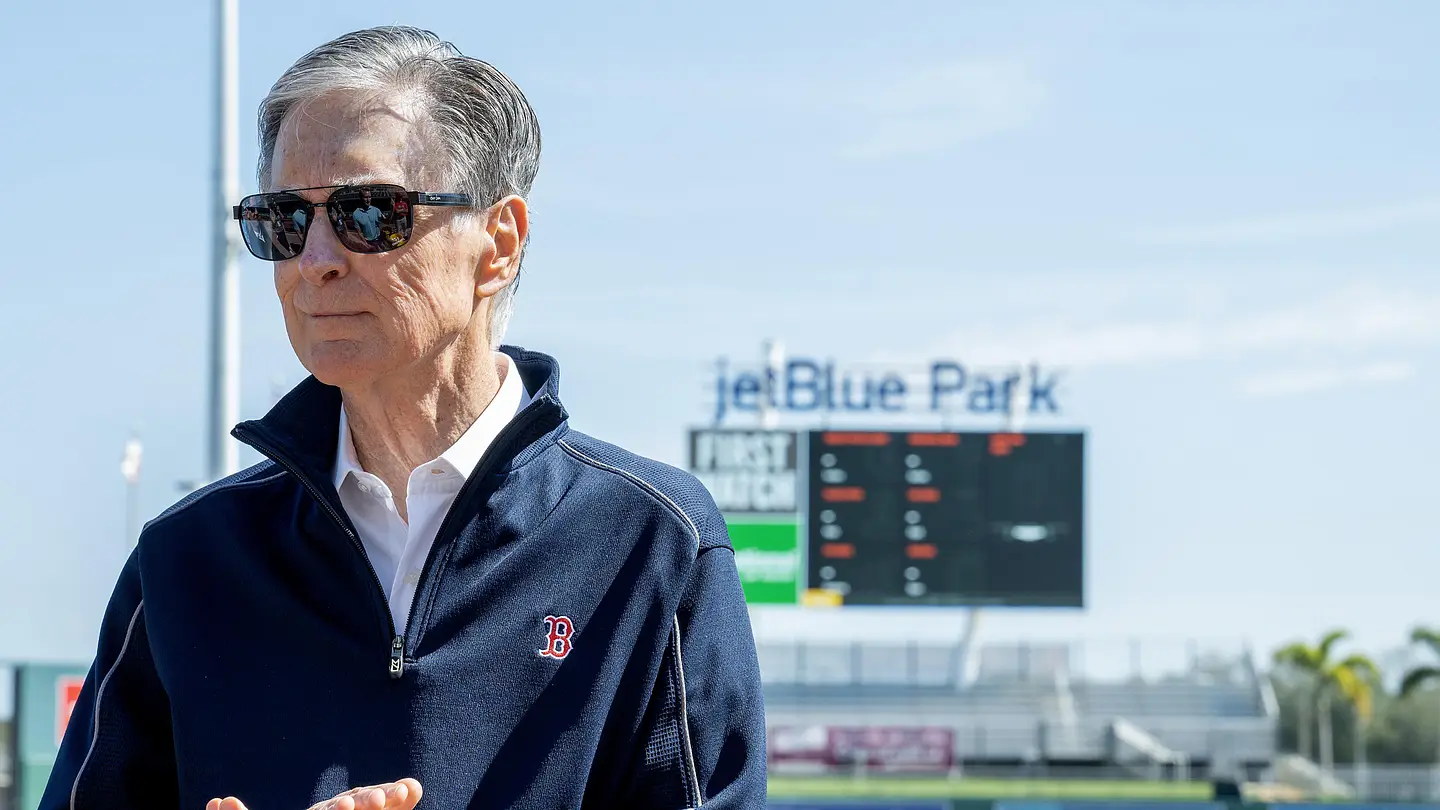
MLB players and owners generally agree there is a glaring issue of revenue disparity in the sport, despite historic increases in attendance and viewership. Beyond that, though, there is no consensus about how best to address the problem, setting up what will be a long and almost certainly arduous set of labor negotiations.
Management and the union this week each made their initial proposals as collective bargaining begins in earnest, and basically talked past each other in what is the start of a process that could run at least another nine months.
The players are seeking a soft floor on player spending, as well as a hefty increase in minimum salaries, a meaningful expansion of free agency and arbitration provisions, and a retooled version of MLB’s revenue sharing system. The league responded that the proposal “would lead to even more payroll disparity than exists today.”
The owners are seeking a hard salary cap and floor, with a proposed top spending limit of $245.3 million per team, including player benefits. Additionally, management wants to pool all local media revenues, a massive departure from the market-based structure that helped create the revenue disparity that now exists. The union, however, responded that revival of a cap proposal “will suffocate competition by offering owners an all-purpose excuse for inaction and mediocrity.”