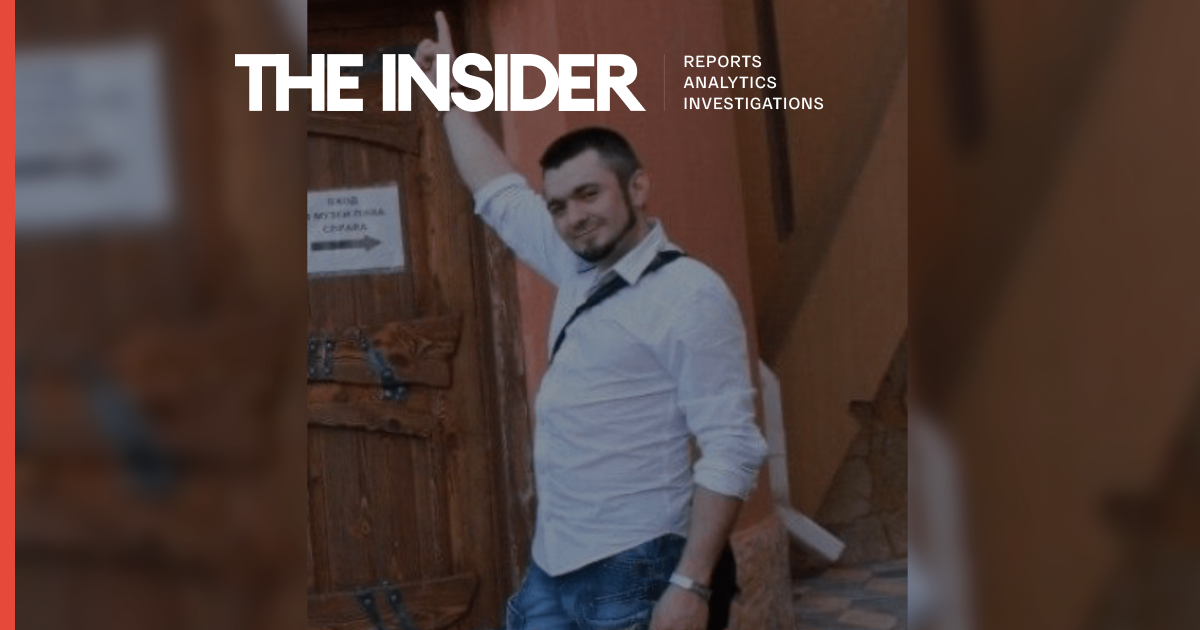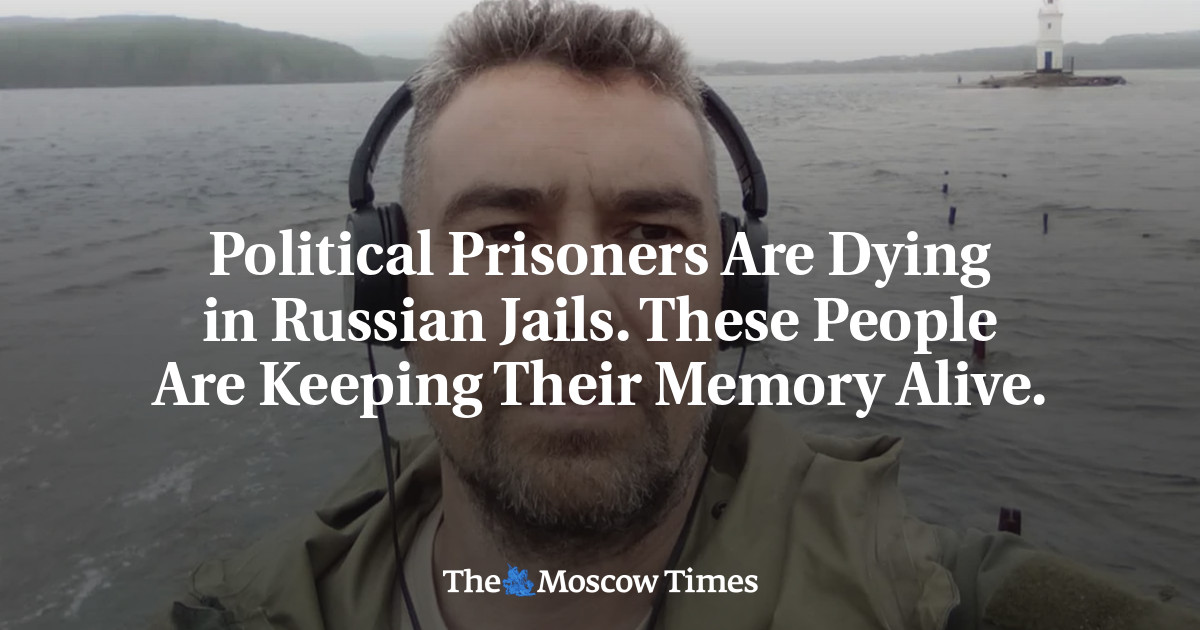
PARIS — “He lived as if without skin, so he felt everything very intensely. And the start of the war made his life much harder,” theater director Tatyana Frolova said of her friend, the artist Andrei Akuzin.
In April, Akuzin, 53, died by suicide in a pre-trial detention center in Komsomolsk-on-Amur, a city in the Far East Khabarovsk region, days after he was arrested over a social media comment.
Akuzin is among at least six Russian political prisoners who have died in custody so far this year, according to rights advocates. In total, at least 70 people have died in custody over the past decade and a half, according to the Nobel Peace Prize-winning rights group Memorial.
For relatives, fellow activists and supporters, preserving the memory of those who died has become an act of solidarity and resistance.
Akuzin and Frolova met in 1998 when her KnAM Theater hosted its first international festival in Komsomolsk-on-Amur. Although Frolova left Russia after the full-scale invasion of Ukraine, the two remained in contact. For security reasons, Akuzin deleted their messages on his side of the conversation.