For confidential support call the Samaritans on 116123 or visit a local Samaritans branch, see www.samaritans.org for details By ROBERT FOLKER, NEWS REPORTER Published: 18:18 BST, 21 August 2025 | Updated: 19:11 BST, 21 August 2025
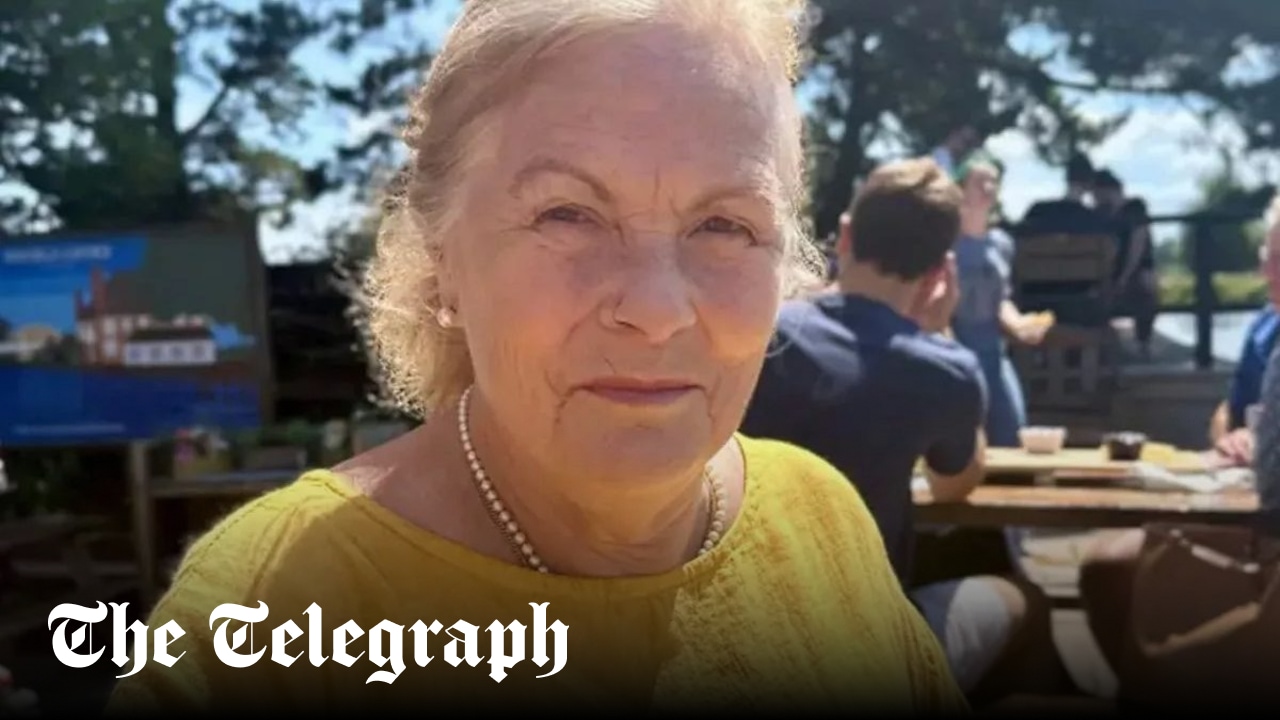
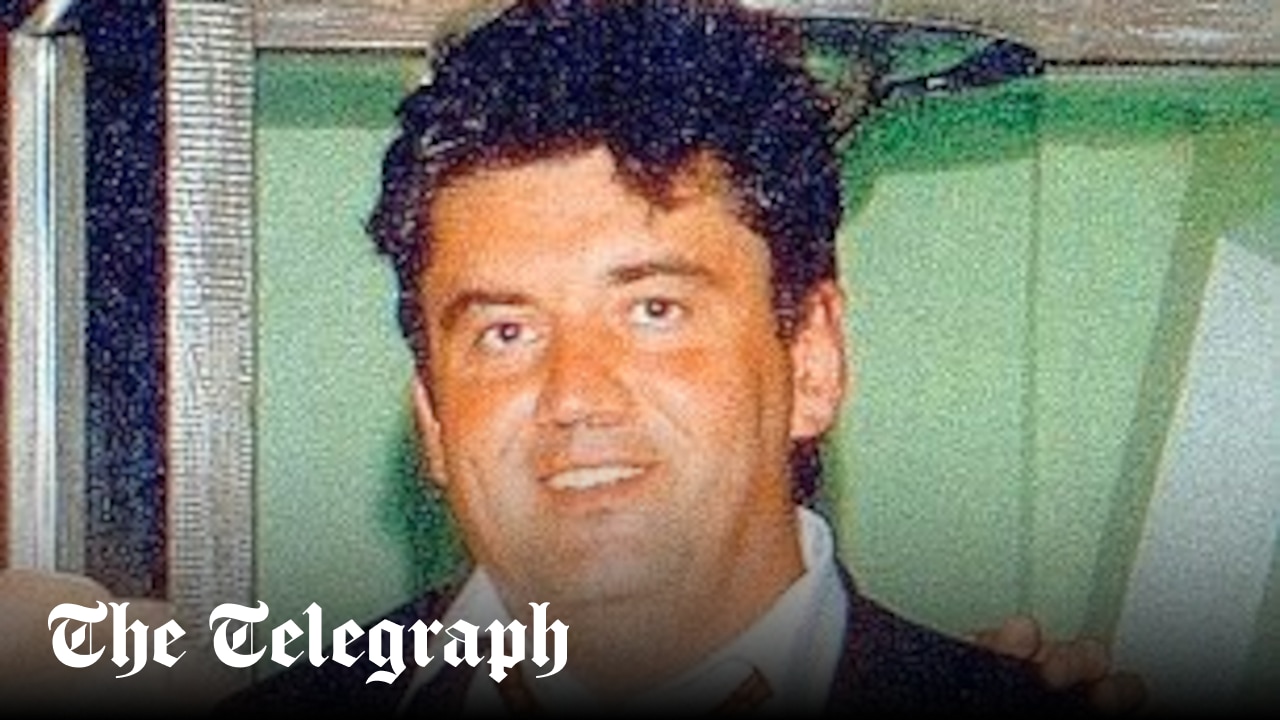
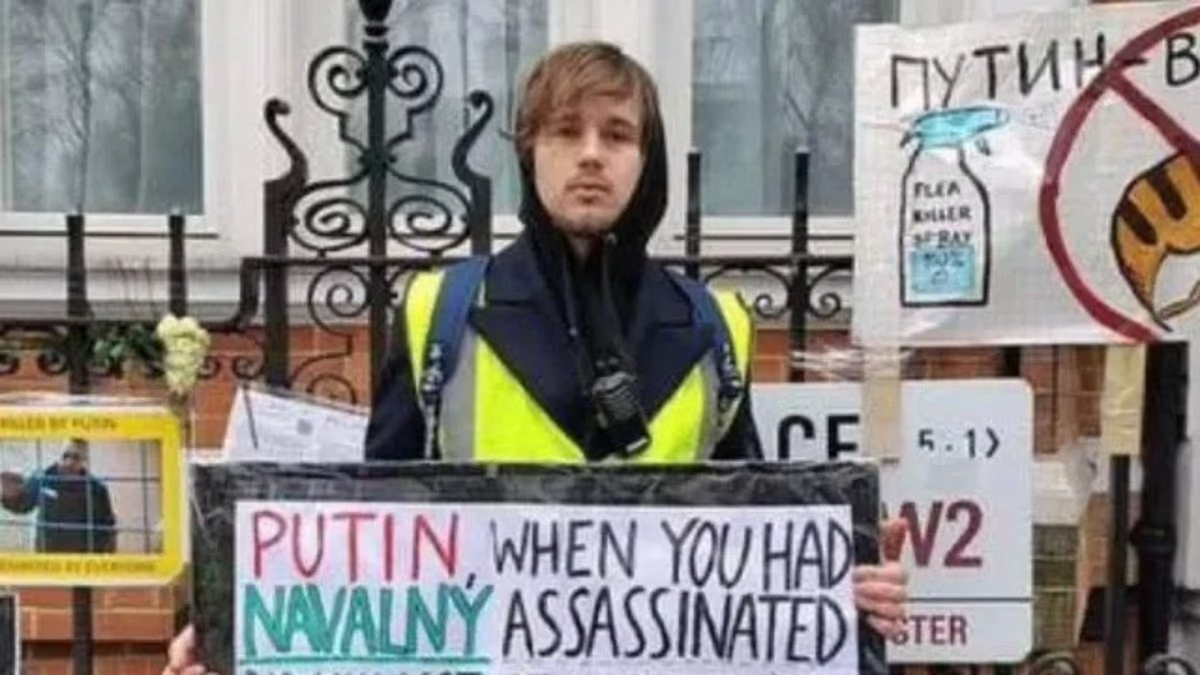
An anti-Putin activist has been found dead in London after his asylum bid was rejected.After more than a year's wait for an appeal hearing, Alexander Frolov, 26, was found dead in Acton, west London, on July 28.His friends believe that he took his own life because of the mental pressure of being sent back to Russia.Originally arriving in the UK under a temporary visa as an agricultural worker in 2021, Alexander submitted his asylum application in December 2022. When Russia launched its invasion of Ukraine in February 2022, his friend Galina Shakirova said he was unable to return home as he ‘refused to take part in killing people'.According to The i Paper, his asylum application was rejected in April 2024.Alexander had appealed the decision and was waiting for his hearing to be rescheduled when he died.Metropolitan Police are not believed to be investigating any suspicious circumstances into his death and an inquest will be held next week. Alexander Frolov, 26, was found dead in Acton, west London, on July 28 after more than a year's wait for an appeal hearing for his his asylum application Alexander's friends believe that he took his own life because of the mental pressure of being sent back to Russia His friend Galina, who met Alexander when they worked together as stewards at anti-war rally, called him ‘kind, generous, quietly dependable’. Pictured: People taking part in a protest outside the Russian Embassy in central London on February 22, 2025He was described by the Russian Democratic Society as a ‘dedicated opponent of Putin’s regime'.They added he was a 'volunteer who gave his time to help others, and a constant presence at anti-war protests’.‘Alexander believed in the possibility of a free and democratic Russia and hoped to one day return to it,' the group said.His friend Galina, who met Alexander when they worked together as stewards at anti-war rally, called him ‘kind, generous, quietly dependable’.She said: ‘Imagine being an opposition activist who knows that returning home almost certainly means prison. You’ve spoken out publicly. You’ve worked with organisations labelled in Russia as “undesirable” or “extremist”.‘Then you ask for protection – hoping for safety, for a chance to survive. And instead, you’re refused.’The Home Office said: ‘It is our long-standing policy not to comment on individual cases.’