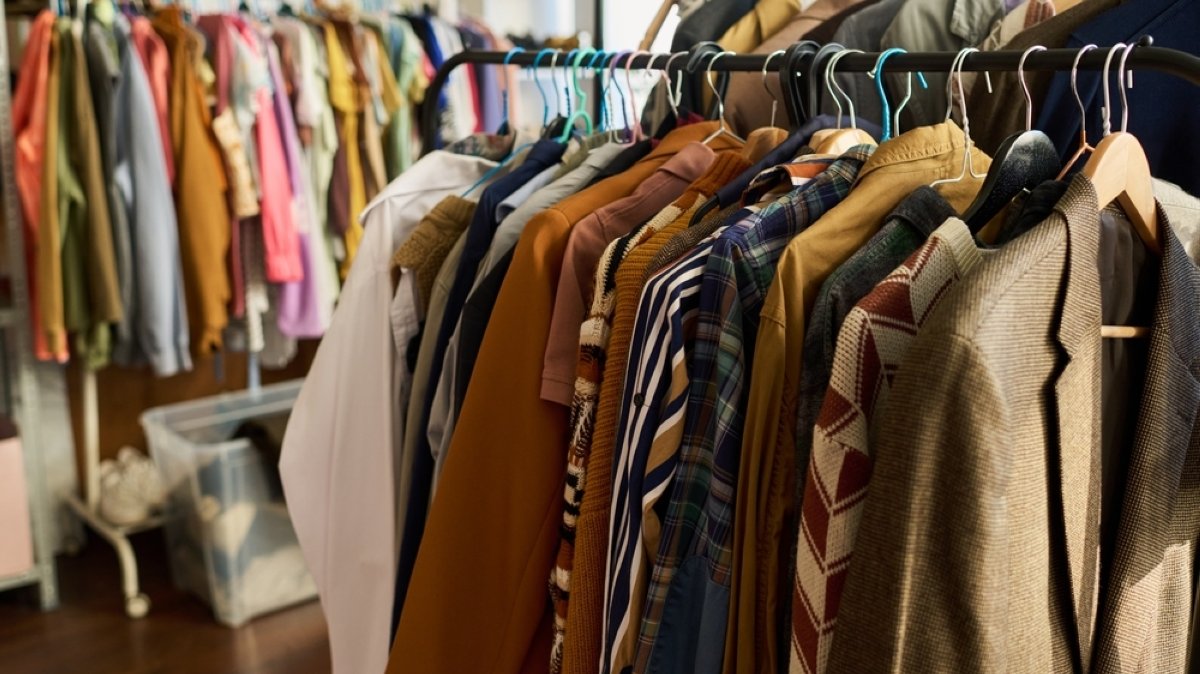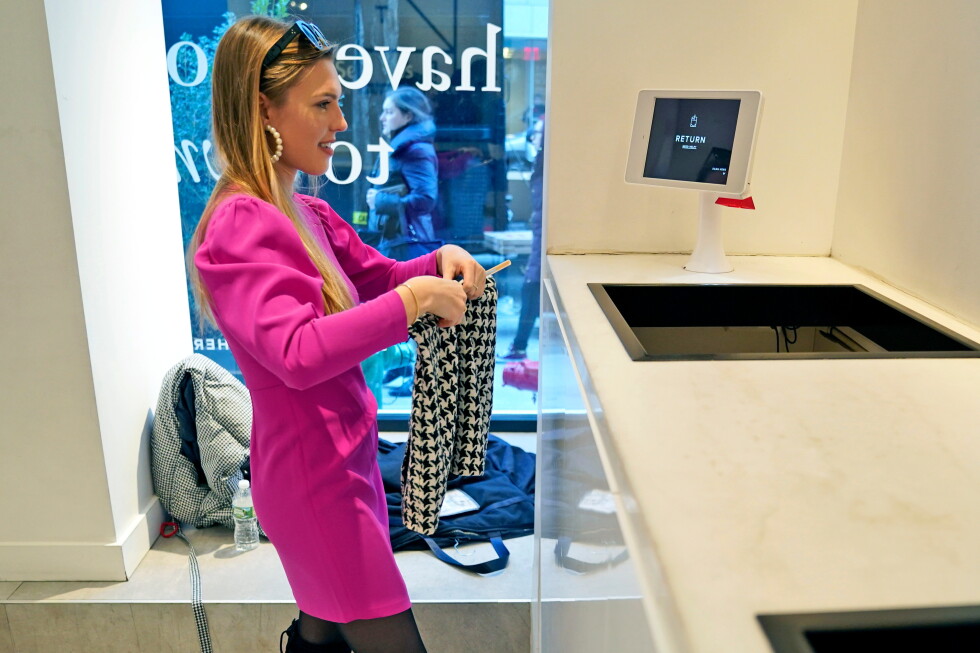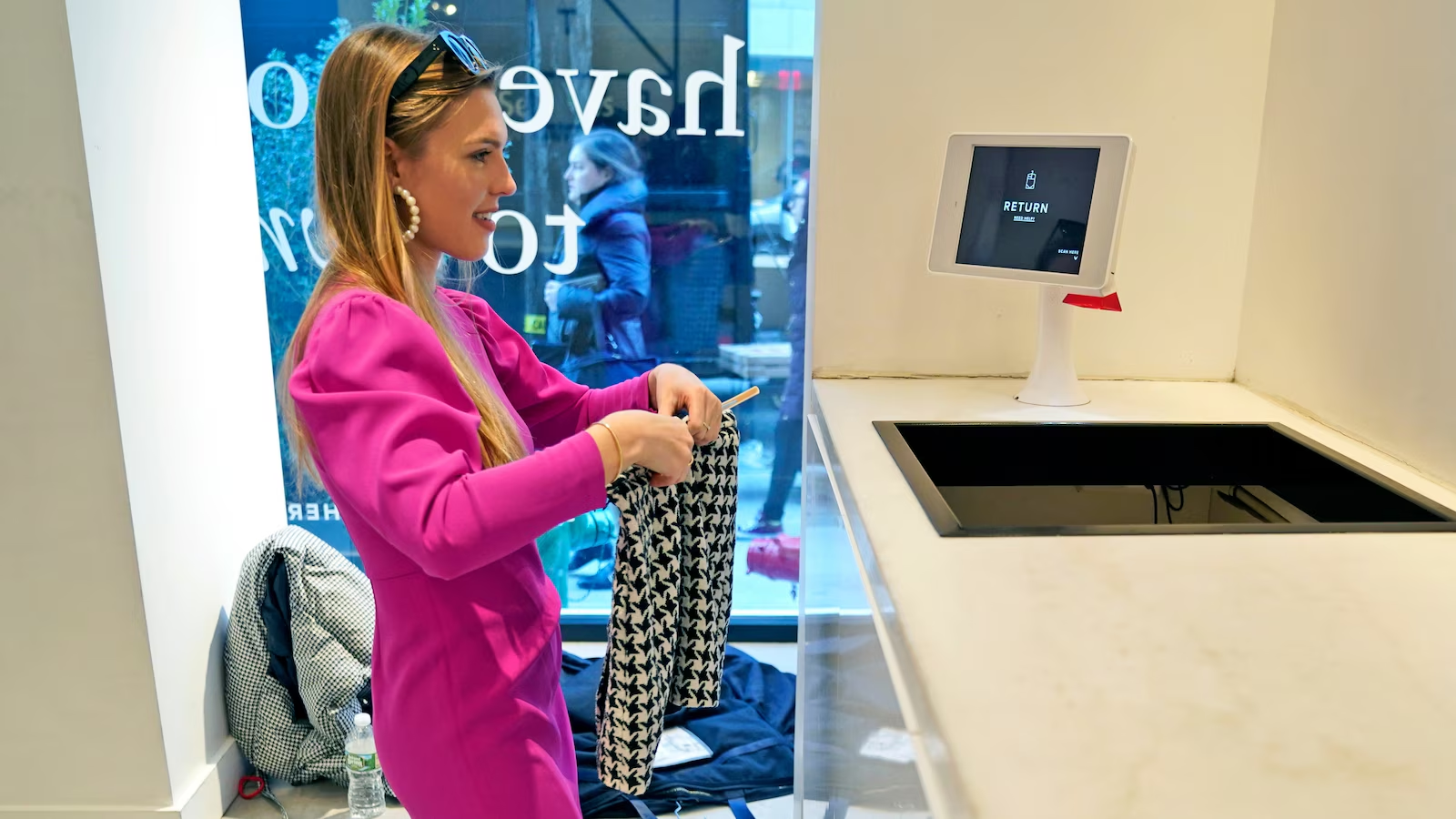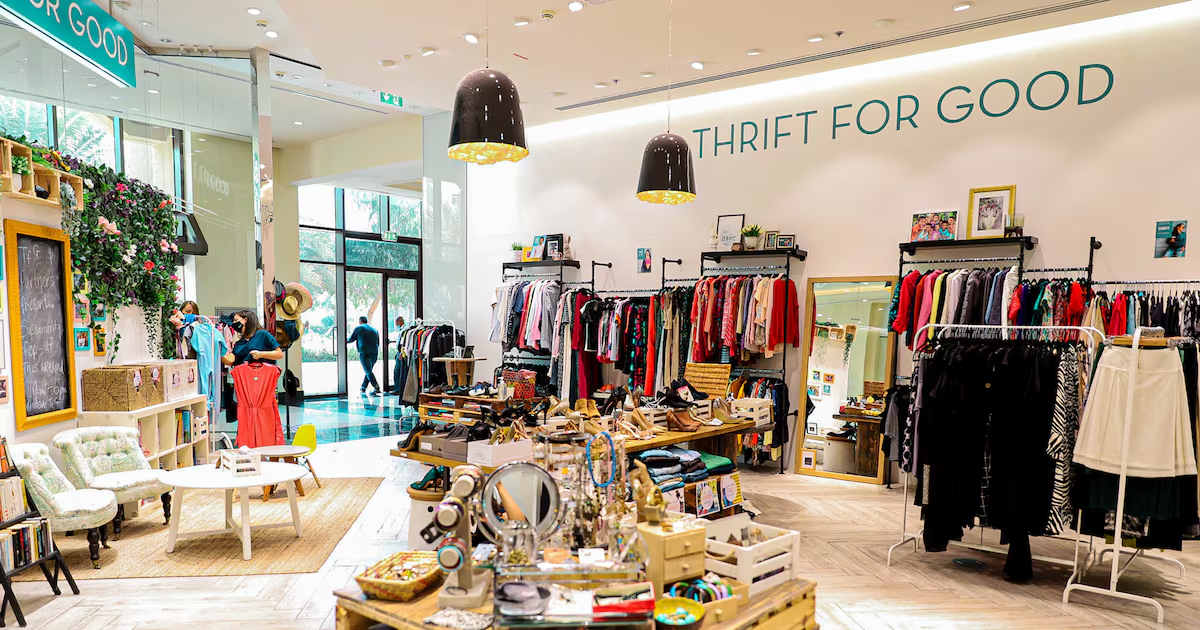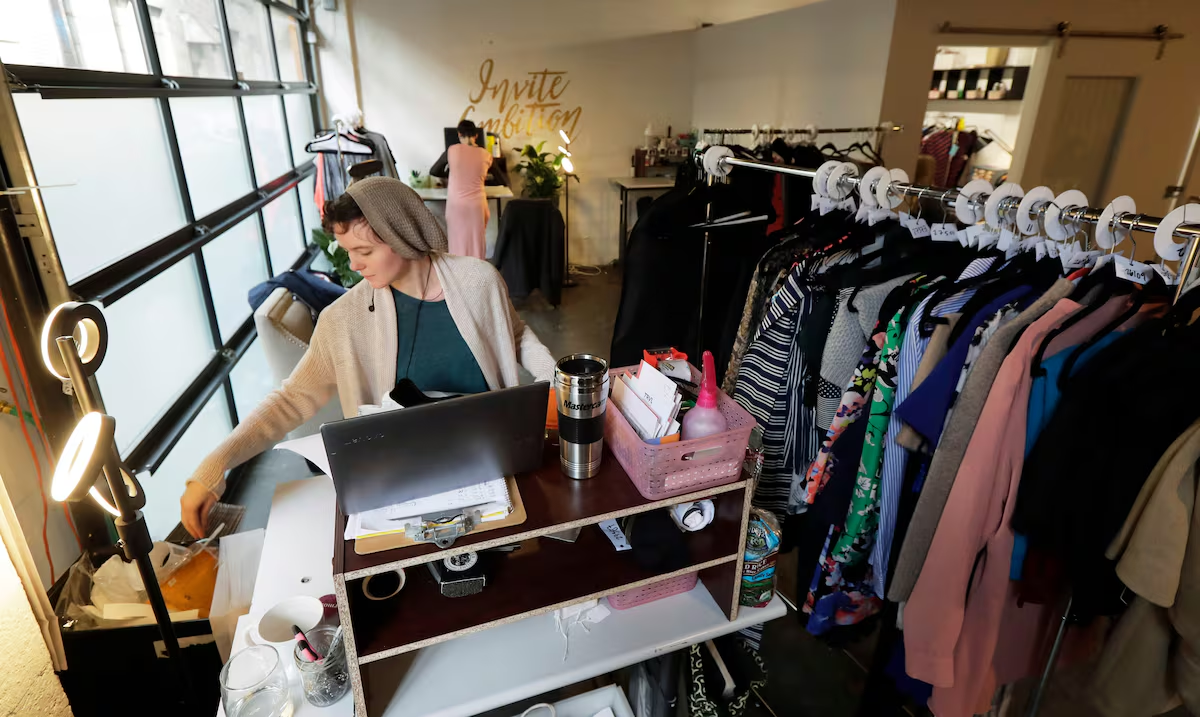
For weddings, vacations, and other significant events, a growing number of consumers are turning to clothing rental services instead of purchasing new attire. These subscription-based platforms, frequently marketed as a sustainable alternative to fast fashion, deliver a diverse range of items – from daily wear and work outfits to dresses, handbags, and formalwear – directly to customers, who then return them for others to use."I haven’t bought anything for a big occasion since 2019," stated Sasha Eck, a user of these services. She finds renting formalwear more sensible than spending a month's rent on a dress worn only once, appreciating the continuous and affordable access to newer, trendier clothes. A recent ThredUp survey supports this trend, revealing that 87% of wedding guests had purchased at least one outfit they wore only once.While clothing rental services appear to offer an environmentally ethical solution, allowing one garment to be worn by multiple people, fashion and logistics experts suggest the reality of rental subscriptions is more complicated. This complexity arises particularly when considering the environmental impact of shipping, returns, and evolving consumer habits.The promise (and problem) of rental fashion Kate Fletcher, a professor of sustainability, design and fashion systems at Manchester Metropolitan University, said rental services can sometimes encourage the same mindset that drives fast fashion.Both experts said rental services can have advantages in certain situations. (Getty Images)“In theory, the embodied resources within that garment get a chance to be worked harder by having that many more people wear it. And so that’s the sort of compelling argument of it,” she said.But Fletcher said many of those environmental benefits can be undermined by repeated shipping, returns and cleaning. Aja Barber, a sustainability consultant and writer, said people often overlook the footprint of those processes.“When you think about rental, you don’t think about the packaging that comes every time you get something from rental. You don’t think about the carbon footprint of shipping the item to you. And you certainly don’t think about the carbon footprint of dry cleaning,” said Barber.Still, both experts said rental services can have advantages in certain situations.“If you are someone who occasionally has to wear occasion-wear and you don’t want to buy a dress that you’re going to wear just once, I think it can be really impactful,” said Barber.Fletcher pointed to older, more localized rental models, like with suit or gown rentals, where customers visited a shop, were fitted in person and later returned the item. She said those systems often had a very different environmental profile than modern, app-based rental services that rely on repeated shipping.Why shipping matters The rise of online shopping has heightened the environmental affect of “last mile delivery" — the final stage of transporting a package from a fulfillment center to a customer’s home. Transportation is already one of the largest contributors to greenhouse gas emissions, said Johanna Amaya, assistant professor of supply chain management at Pennsylvania State University. “The more deliveries going to our homes, the more delivery that goes to our preferred location, the more that impact on the environment,” said Amaya. Rental services can also create an added logistical challenge because the process involves two trips — one to deliver the clothing and another to return it. Amaya said fast shipping can also make delivery systems less efficient because companies have less time to consolidate packages into fuller routes. “The longer they can wait to consolidate more orders and use the capacity of the delivery vehicles, the better,” said Amaya.She added that returning items to centralized locations, like parcel lockers or post offices, may be less environmentally impactful than home pickup services. So what should consumers do?Experts say renting can still be a better option in some situations, particularly for special occasion outfits that may otherwise only be worn once. But they also said consumers should think carefully about how often they are ordering, shipping and returning clothing. Fletcher encouraged people to “look within a wardrobe and yourself before you look without and try and get a new piece.”Amaya said consumers can reduce the environmental impact by avoiding rush shipping and choosing consolidated or pickup delivery options when possible. And the broader sustainability challenge in fashion cannot be solved by a single service or product alone, Fletcher said. For consumers trying to shop more sustainably overall, experts said some of the simple options may still be the most effective, like re-wearing clothing, repairing items, swapping with friends, buying secondhand or donating pieces so they continue to be used. “The best thing we can do is engage with fashion as a practice. So, a lived experience of what it is to be dressed — full of capabilities of who I can be in the world — and not as something to buy,” Fletcher said. “Fashion as shopping, that sort of idea of it, is something that industry has encouraged us to believe is the only way of engaging with fashion. And fundamentally, that’s only going to lead to more climate impacts.”
Why your clothing rental habit is not as green as you think
Experts say renting can still be a better option in some situations
830 words~4 min read