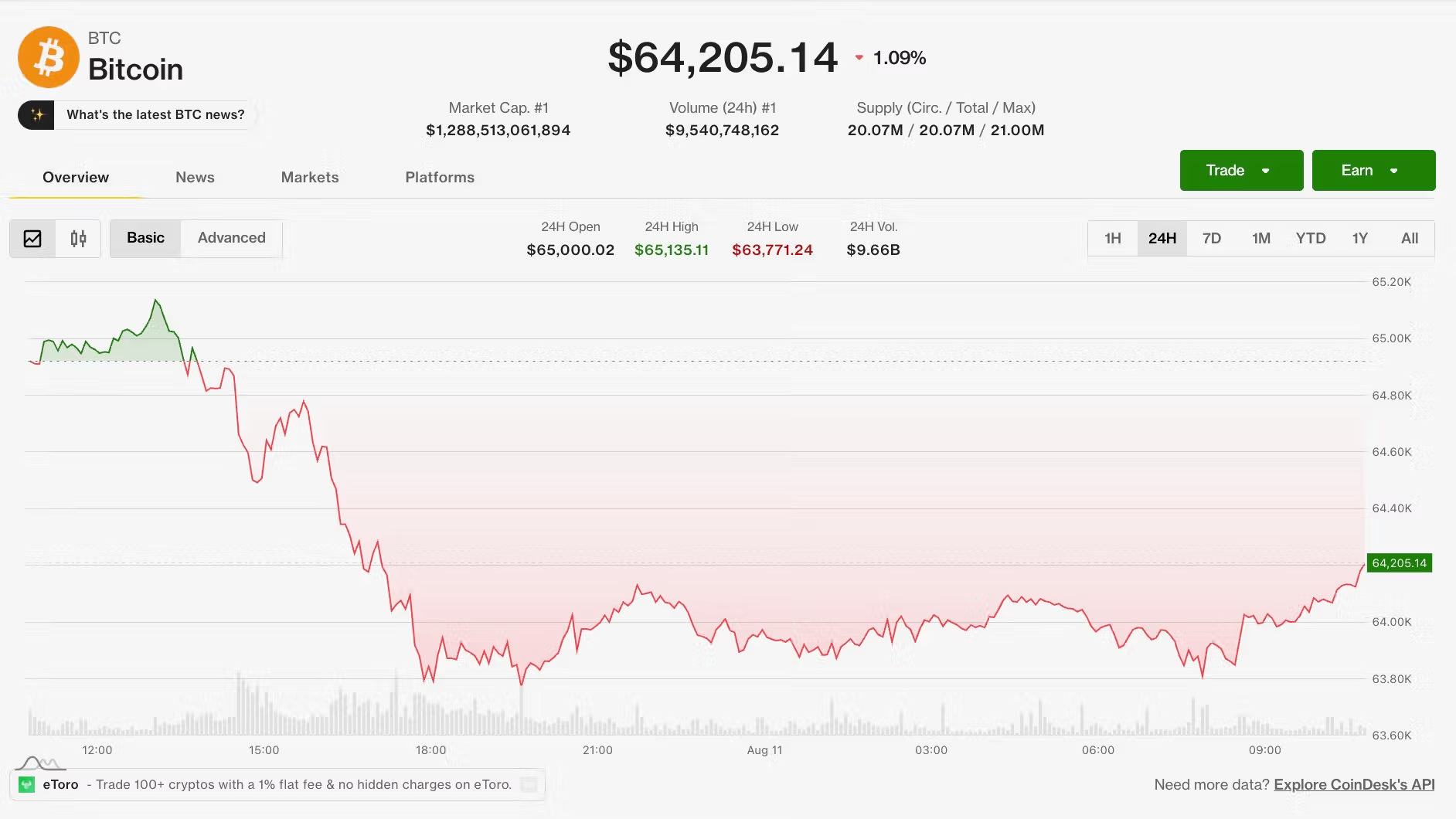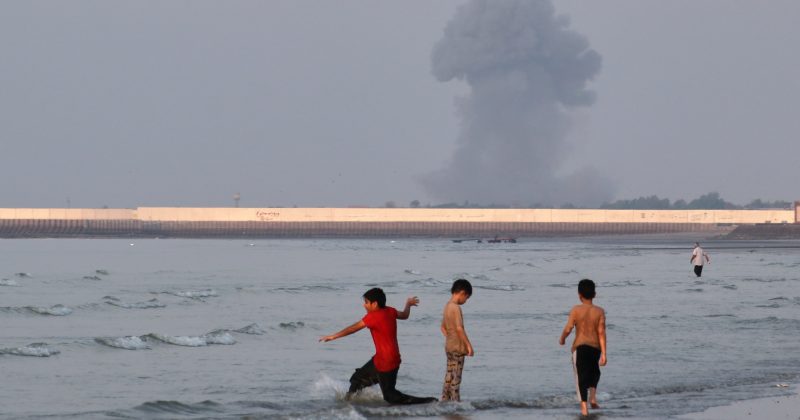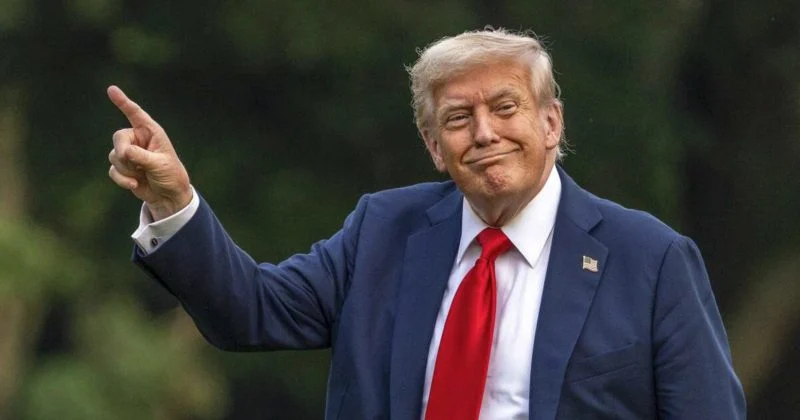
Bitcoin just went on a round trip that would make a day trader’s head spin. US airstrikes on Iran early this week sent the largest cryptocurrency tumbling below $73K, only for prices to rebound near $74K after former President Trump posted that the naval blockade around the Strait of Hormuz is lifting and the waterway must reopen immediately.
The whiplash was swift, dramatic, and increasingly familiar. Geopolitics, not Fed minutes or CPI prints, has become the dominant force moving crypto markets.
The sell-off, the post, the reversal
Here’s what happened. US military strikes targeting Iran rattled global markets earlier this week. Bitcoin, which crypto maximalists love to call “digital gold” and a safe haven, did what it usually does when actual geopolitical risk arrives: it sold off.
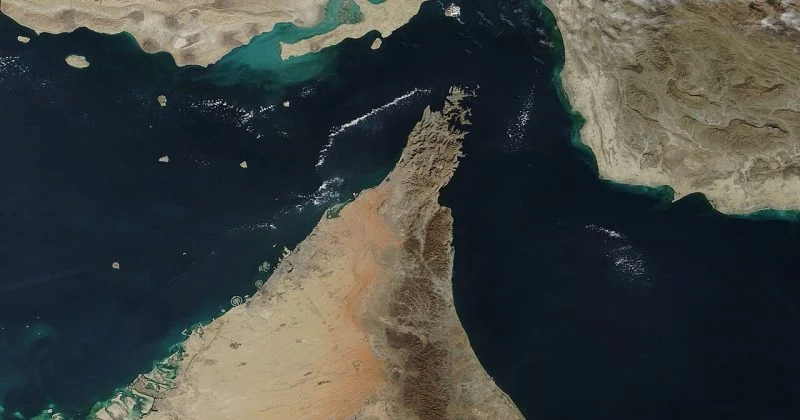
BTC dropped below $73K as traders scrambled to reduce exposure across risk assets. The Strait of Hormuz, a narrow chokepoint through which roughly a fifth of the world’s oil supply flows, became the center of global anxiety. A prolonged blockade there doesn’t just mean higher gas prices. It means supply chain chaos, energy market disruption, and the kind of uncertainty that sends capital sprinting toward actual safe havens like Treasuries and cash.