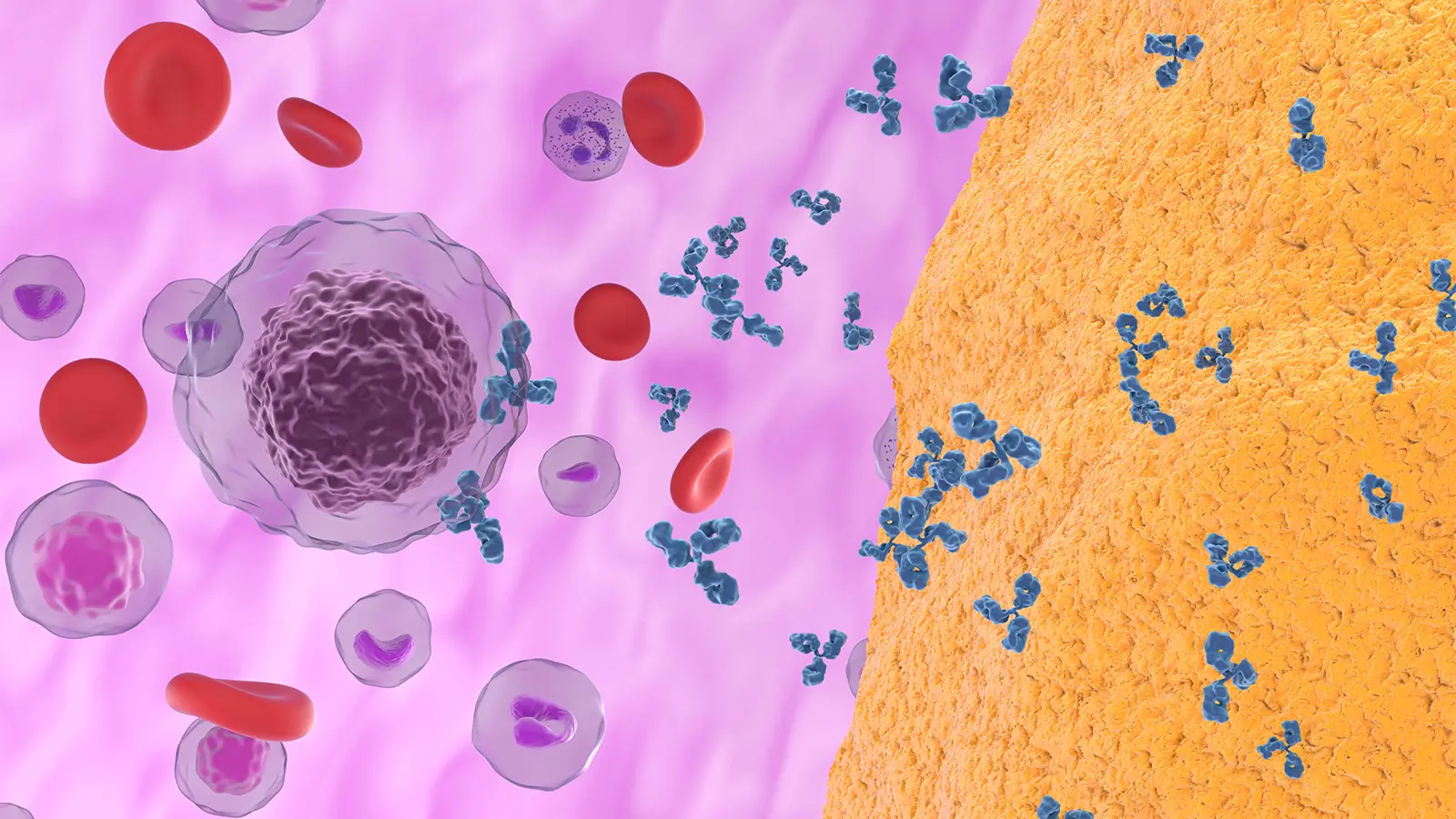
Many patients who develop rheumatoid arthritis (RA) have anti-citrullinated protein antibodies (ACPA) while early symptoms are present but before full-blown RA can be diagnosed.ACPA-positive patients with full RA typically show a different pattern of symptoms and progression than ACPA-negative individuals, but whether this also applies in the pre-RA phase, called clinically suspect arthralgia (CSA), had not been investigated previously.This longitudinal study of 173 CSA patients documented different progression trajectories depending on ACPA status.
Patients with clinically suspect arthralgia (CSA), a common prequel to rheumatoid arthritis (RA), showed different patterns of symptoms and progression depending on whether they tested positive for anti-citrullinated protein antibodies (ACPA), researchers found.
Among 173 CSA patients followed for 2 years or more, those who were ACPA-positive developed full-blown inflammatory arthritis (IA, the broader family of joint disorders that includes RA) faster than those who were seronegative, but less morning stiffness and pain when their symptoms first came on, according to Annette van der Helm-van Mil, MD, PhD, from Leiden University in the Netherlands, and colleagues.