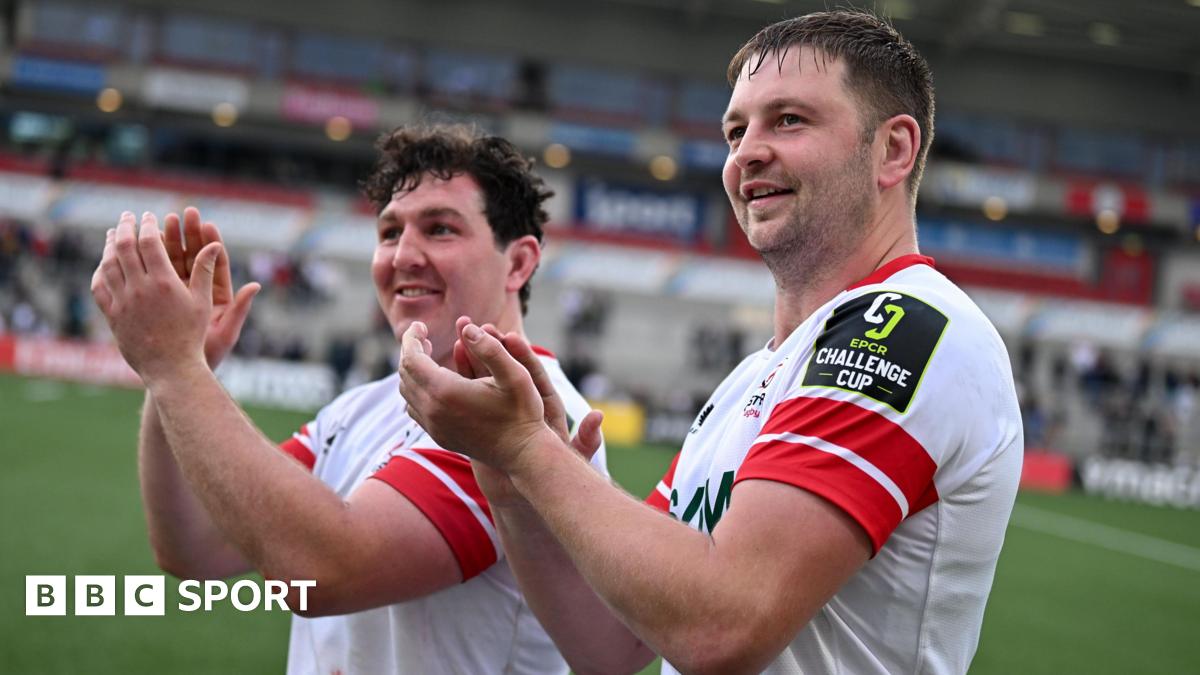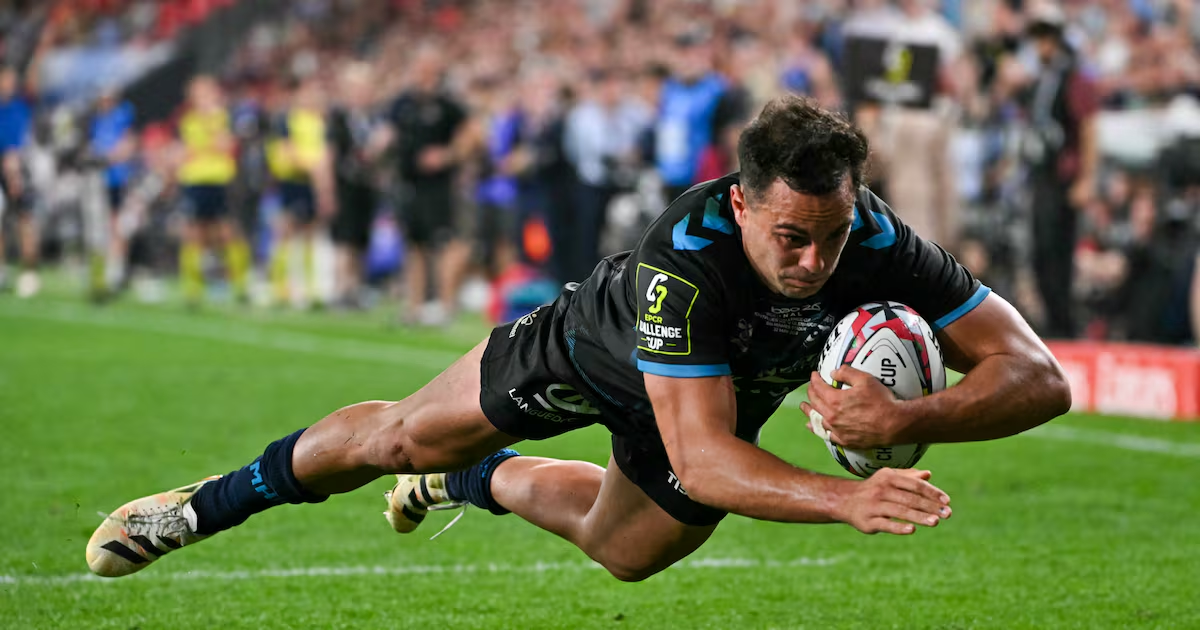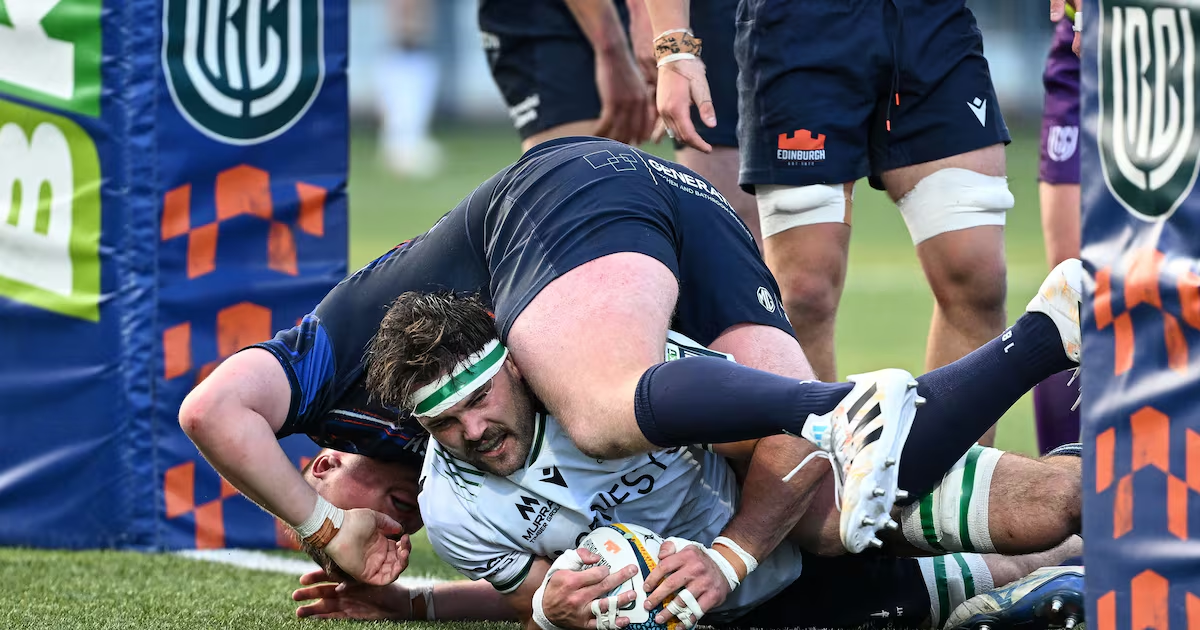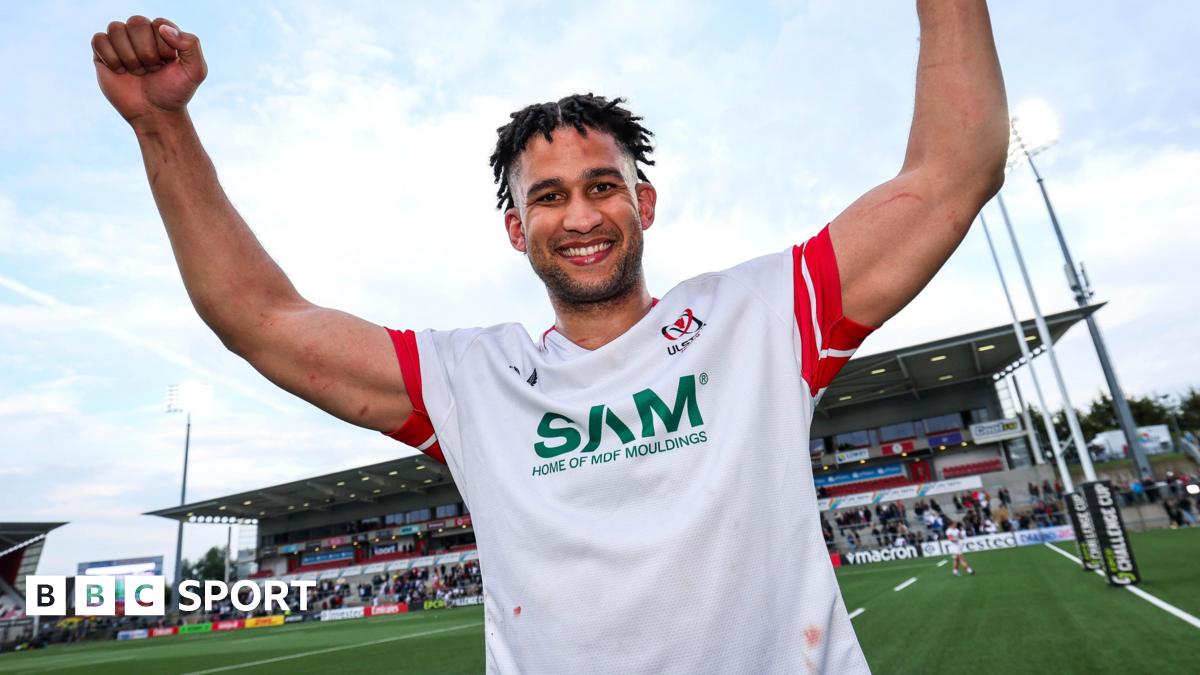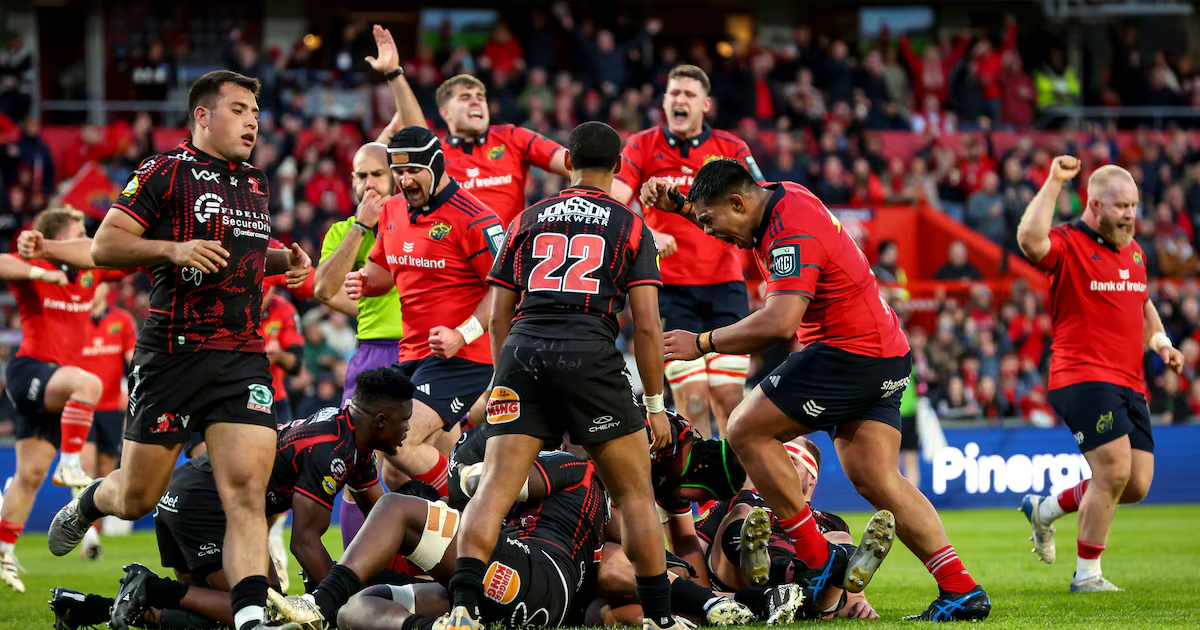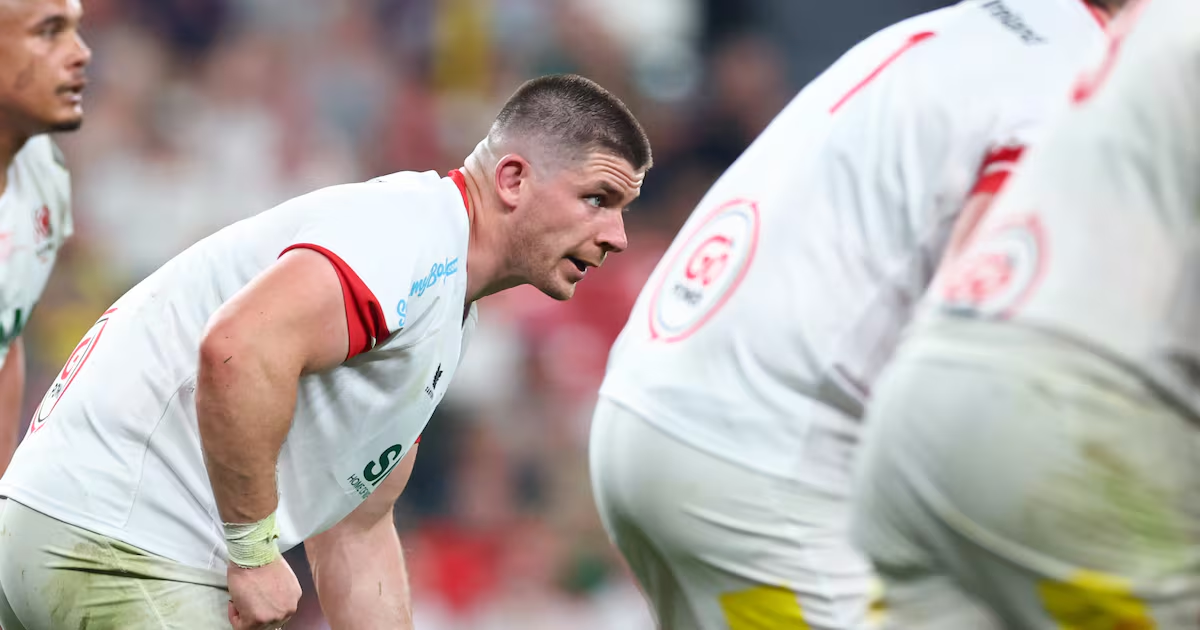
As a cursory glance at the weekend’s fixture list demonstrates, unlike their three Irish counterparts the cold, harsh truth of Ulster’s season is that it’s over.A campaign which promised so much ultimately saw them come up short of both the URC playoffs and next season’s Champions Cup. Furthermore, after a heavy beating in the Challenge Cup final, it was also a 20th season without silverware.Yet it was a season of undoubted progress. Their ninth-placed finish in the URC was an improvement of five positions on last season, as they accumulated 52 points compared to 38. And 52 points was four or two points better than the quartet of teams who had finished eighth in the previous four seasons.With the arrival of Mark Sexton as attack coach, they scored 72 tries, which was 13 more than the season before and was joint third behind only Leinster and the Lions. Their defence also conceded 12 tries fewer (60) than the season before, when only the Dragons leaked more.Alas, in some respects Ulster were a victim of their own progress. As well as maintaining their push for the URC playoffs, Ulster reached last weekend’s Challenge Cup final against Montpellier. Ironically, this is their first weekend off since the middle of March.The only other team in the URC who had to play for the last 11 weeks in succession were Leinster. By contrast, of the other seven teams who eventually finished above Ulster, all had various amounts of R&R on the run-in. Connacht and Glasgow each had one weekend’s respite, while the Stormers, Bulls, Munster and Cardiff all had two idle weekends and the Lions had three.This was significant. When Connacht lost an epic Challenge Cup quarter-final away to Grenoble in 2015-16, captain John Muldoon said to head coach Pat Lam that the defeat might have been the best thing to happen them. With two weekends off on the run-in, they kept winning before beating Leinster in the Pro12 final in Murrayfield.Similarly, after Munster shipped 50 points in a Champions Cup round of 16 tie away to the Sharks three seasons ago, they had two idle European weekends en route to winning the URC after finishing fifth in the standings.Ulster’s Jack Murphy dejected with his father and head coach Richie Murphy after the game. Photograph: James Crombie/Inpho After last weekend’s 59-26 loss to Montpellier, Richie Murphy understandably bemoaned Ulster’s luck, considering their haul of 52 URC match points would have comfortably secured a playoff place in either of the previous four seasons.But he also conceded that Ulster struggled to compete in two competitions. This manifested itself in a lengthening injury which ruled Stuart McCloskey, Jacob Stockdale and Rob Herring out of the final among others, as well as the suspended Iain Henderson.They also ran out of luck as well as steam. In their last two URC games, they conceded an equalising penalty try with the last play of the game in a thrilling 38-all draw at home to the Stormers and a late try at home to Glasgow. But for either of those, they’d have made the top eight.Yet while scoring 13 tries in their last four games of the season, they conceded 18 (and 123 points) and privately Murphy also must wonder if he made the right call in naming Angus Bell, Tom Stewart, Cormac Izuchukwu, Nathan Doak and his son Jake as subs against Glasgow. All bar Stewart, a 20th-minute replacement for the injured Herring, were kept back until the second half of that game before starting a week later in the San Mamés Stadium. Then again, of course, Murphy, Sexton et al were in new territory themselves.There’s also been quite an exodus, with Aidan Morgan, Werner Kok and short-term signing Angus Bell among the 11 players moving on. But Connacht scrumhalf Matt Devine, Harlequins outhalf Jamie Benson, Zimbabwan lock Eli Snyman and Irish-qualified Cardiff backrower Ben Donnell are joining. Ditto Clarke Dermody for departing forwards coach Jimmy Duffy. A big onus rests on Zac and Bryn Ward, Jude Postlethwaite and the other homegrown players.What Ulster’s season perhaps demonstrates as much as anything is that it’s simply never been harder to qualify for the top eight of the URC.
Ulster have made progress, even if they fell just short of their targets
Richie Murphy’s team’s season is over, but the metrics were much improved
697 words~3 min read