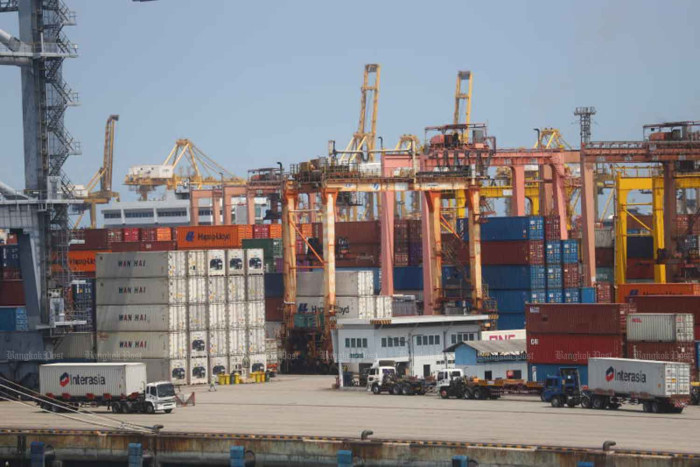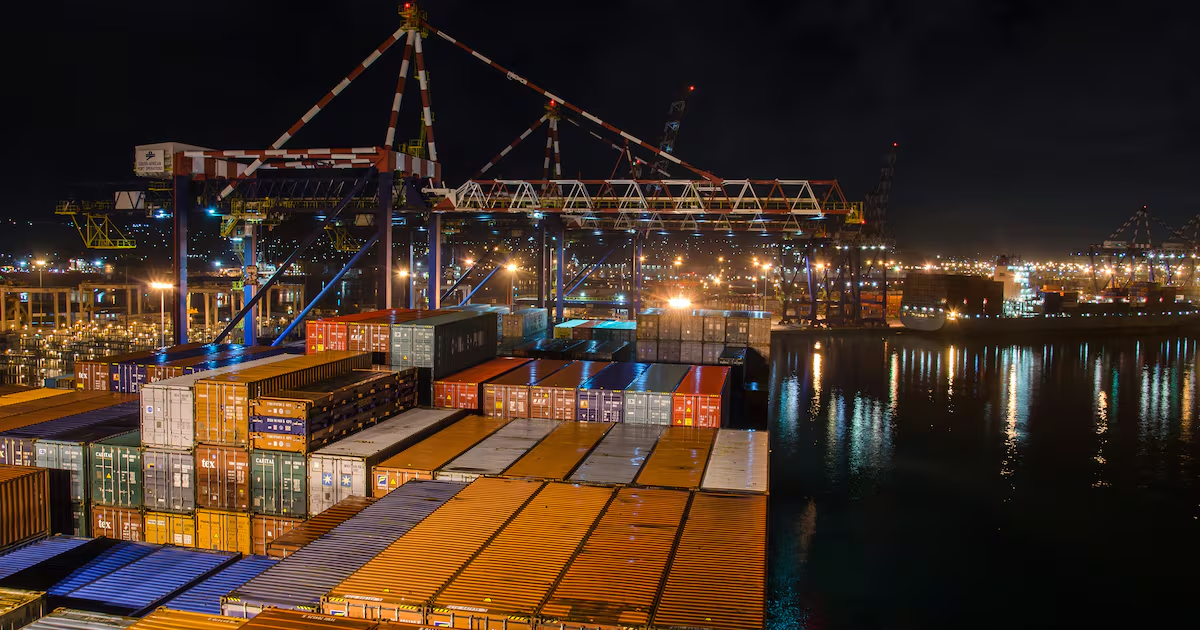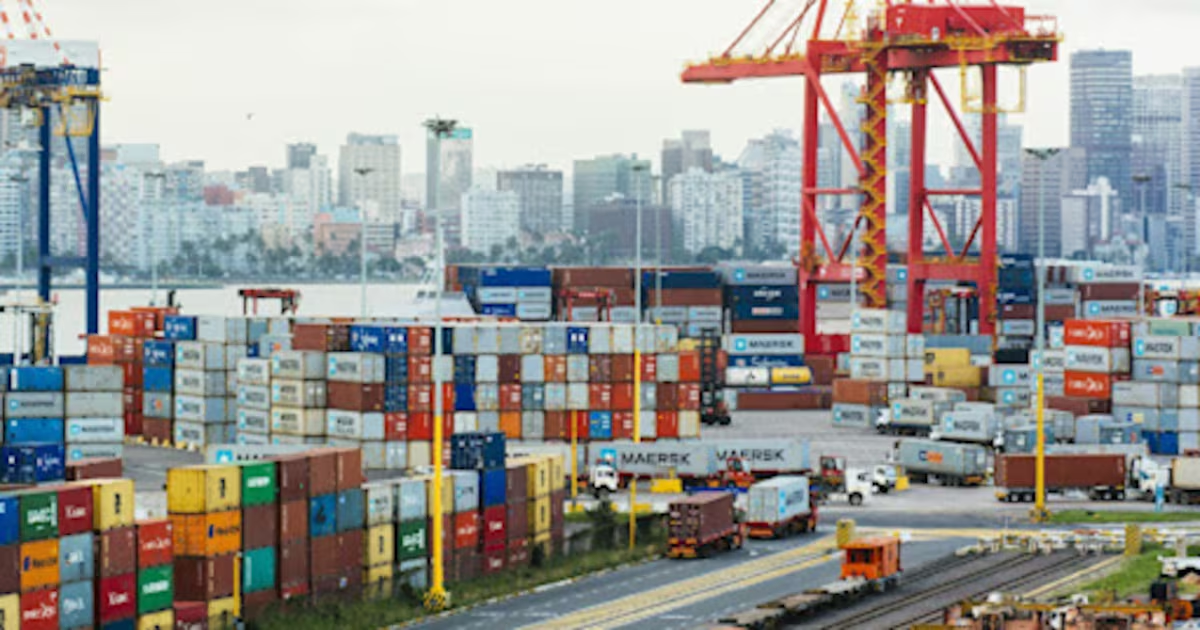
South Africa’s trade surplus nearly halved to R15.2bn in April from a downwardly revised R30.2bn in March, as imports rose at a higher pace than the increase in exports.Exports edged up 1.8% month on month to R190.6bn, while imports climbed 11.8% to R175.4bn, the South African Revenue Service (SARS) said on Friday.Year on year, export flows for April were up 14.8% from last year, while imports were 15.3% higher.The export flows during the month were driven by gold, platinum group metals (PGMs) and petroleum oils, excluding crude. Imports increased due to rises in petroleum oils excluding crude, electric-generating sets and automatic data-processing machines.The cumulative trade surplus for the first four months of the year is still higher than in the same period last year, at R89.3bn versus R39.8bn.The country’s biggest chunk of exports by region in April was to Asia at just more than R60bn, followed by Europe at R47.3bn, while Africa was third at R44.3bn. Asia also accounted for South Africa’s highest value of imports during the month at R73.2bn, followed by Europe and Africa at R51.6bn and nearly R24bn respectively, the SARS data showed.South Africa had a trade surplus with Africa in April, but deficits with Asia, Europe and the Americas.Earlier this month, African Continental Free Trade Area (AfCFTA) secretary-general Wamkele Mene said a more volatile global environment had strengthened the case for African economies to deepen regional trade links and reduce dependence on external demand. Mene said the global climate of rising protectionism, geopolitical fractures and erosion of the rules-based trading system made African economic integration more difficult but more essential. He called on African nations to accelerate integration to build economic resilience and sovereignty.The AfCFTA, which came into effect in January 2021, aims to create a single continental market for goods and services across Africa — the world’s largest free trade area by number of participating states — by reducing or eliminating tariffs on many goods and making it easier for businesses to trade across African borders.The country is also hoping to leverage the recent move by China to implement a zero-tariff policy for 20 more African countries, including South Africa, opening improved export opportunities.The decision offers a meaningful opportunity to local exporters to expand into one of the world’s largest and most dynamic consumer markets, said trade, industry and competition minister Parks Tau.
Trade surplus sinks to R15.2bn in April
Gold, PGMs and petroleum oils drive export growth
388 words~2 min read