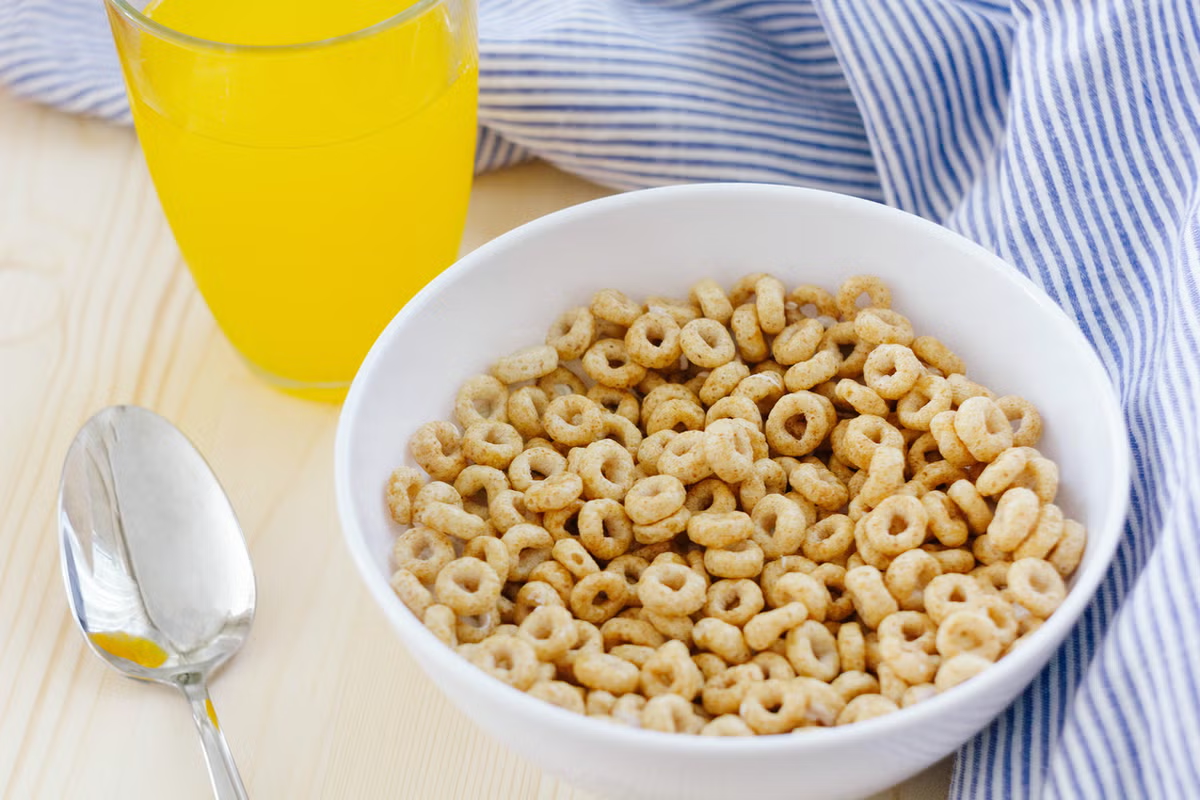
Americans can spend so much money trying to eat healthier, yet breakfast remains one of the most misunderstood meals of the day.Many foods marketed as healthy breakfasts are often packed with refined carbohydrates and added sugars that can spike blood sugar, leaving people hungrier just a few hours later.As a Harvard-trained oncologist and world leader in health policy, I've spent decades studying what actually improves health outcomes. And research on blood sugar regulation and metabolic health has repeatedly found that breakfasts centered on protein, fiber and minimally processed foods are associated with better glucose control, greater satiety and lower long-term risk of type 2 diabetes.Breakfast cereals were originally created during the late 1800s wellness movement, when health reformers promoted vegetarianism and "clean living." Over time, however, the cereal aisle evolved into a multi-billion-dollar industry dominated by ultra-processed foods.Many popular breakfast foods now contain large amounts of sugar and refined grains stripped of fiber and nutrients. That includes sugary cereals, packaged pancakes and waffles, muffins and pastries, granola and "power" bars and sweetened yogurts and fruit juices.Orange juice, for example, can contain as much sugar as some sodas, but without the fiber from whole fruit that helps slow glucose absorption.Here's my best breakfast advice for better metabolic health, energy and longevity. 1. Prioritizing protein first thing in the morningOne of the clearest findings from type 2 diabetes and metabolic health research is that breakfasts centered on protein and fiber produce more stable blood sugar levels and greater satiety.Eggs are often my go-to breakfast food, and they remain one of the simplest evidence-based breakfast foods because they provide complete protein with minimal impact on blood sugar. Plain Greek yogurt is another favorite option and has been associated with a lower risk of type 2 diabetes in large cohort studies.A healthier breakfast does not need to be elaborate. In practice, it can look like:Plain Greek yogurt with berries and nutsEggs with whole grain toastOatmeal with nuts and fruitWhole grain toast paired with healthy fats and proteinEssentially, try to incorporate meals that slow glucose absorption, keep energy stable and reduce the cycle of constant hunger and snacking.2. Get your fiber inMany "healthy" breakfast foods lose much of their nutritional value during processing. Refined grains digest quickly, leading to sharper blood sugar spikes and crashes. Fiber helps slow that process while also supporting gut health and satiety.Research consistently supports choosing foods closer to their whole form:Whole fruit instead of juiceOats instead of sugary cerealNuts instead of processed snack barsHigh-fiber whole grains instead of refined white flour productsEven small increases in daily fiber intake are associated with meaningful improvements in metabolic health outcomes over time.3. Limit breakfast meatsBacon, sausage and processed deli meats remain breakfast staples in many American households, but decades of research have linked processed meats to higher risks of cardiovascular disease, cancer and premature mortality.That does not mean people need to eliminate every indulgence forever. But many Americans underestimate how frequently processed meats appear in their diets and how strongly the evidence has accumulated against them. Healthier breakfasts tend to rely more heavily on minimally processed protein sources and fiber-rich foods.4. A short walk after dinner may help more than a morning workoutBreakfast is only one part of metabolic health. Exercise timing matters, too.The American Heart Association recommends at least 150 minutes per week of moderate exercise or 75 minutes of vigorous activity. But research increasingly suggests that exercising after meals, particularly later in the day, may improve blood sugar regulation more effectively than fasted morning workouts.The Look AHEAD trial, one of the largest long-term lifestyle intervention studies in people with type 2 diabetes, found that afternoon exercise was associated with significantly better blood glucose control than exercise performed at other times of day. Participants who exercised later were also more likely to reduce or discontinue glucose-lowering medications.Even brief movement can make a difference. A 10- to 20-minute walk after dinner can help blunt post-meal glucose spikes.Of course, you should always consult with your doctor before making any drastic changes to your diet. For many people, improving metabolic health does not require expensive wellness products or complicated routines. The strongest evidence continues to support relatively simple habits practiced consistently over time: more whole foods, more fiber, more movement, and fewer ultra-processed foods disguised as healthy eating.Ezekiel J. Emanuel, M.D., Ph.D., is Vice Provost for Global Initiatives and Professor of Medical Ethics and Health Policy at the University of Pennsylvania and author of "Eat Your Ice Cream: Six Simple Rules for a Long and Healthy Life."Want to lead with confidence and bring out the best in your team? Take CNBC's new online course, How To Be A Standout Leader. Expert instructors share practical strategies to help you build trust, communicate clearly and motivate other people to do their best work. Sign up today!
Here's the No. 1 breakfast mistake Americans make every morning, says oncologist and longevity expert
Ezekiel J. Emanuel has spent 35 years as an oncologist and expert on health policy. He shares his breakfast tips for better metabolic health, energy and longevity.
799 words~4 min read