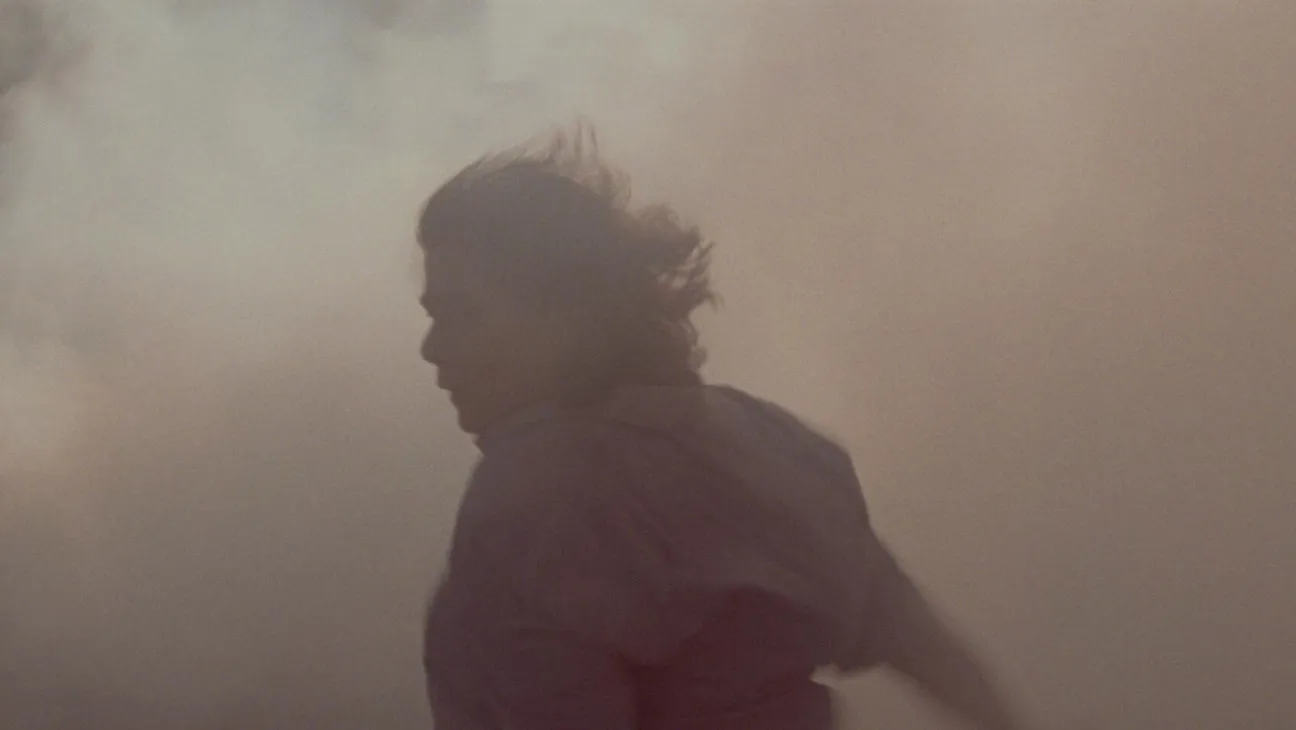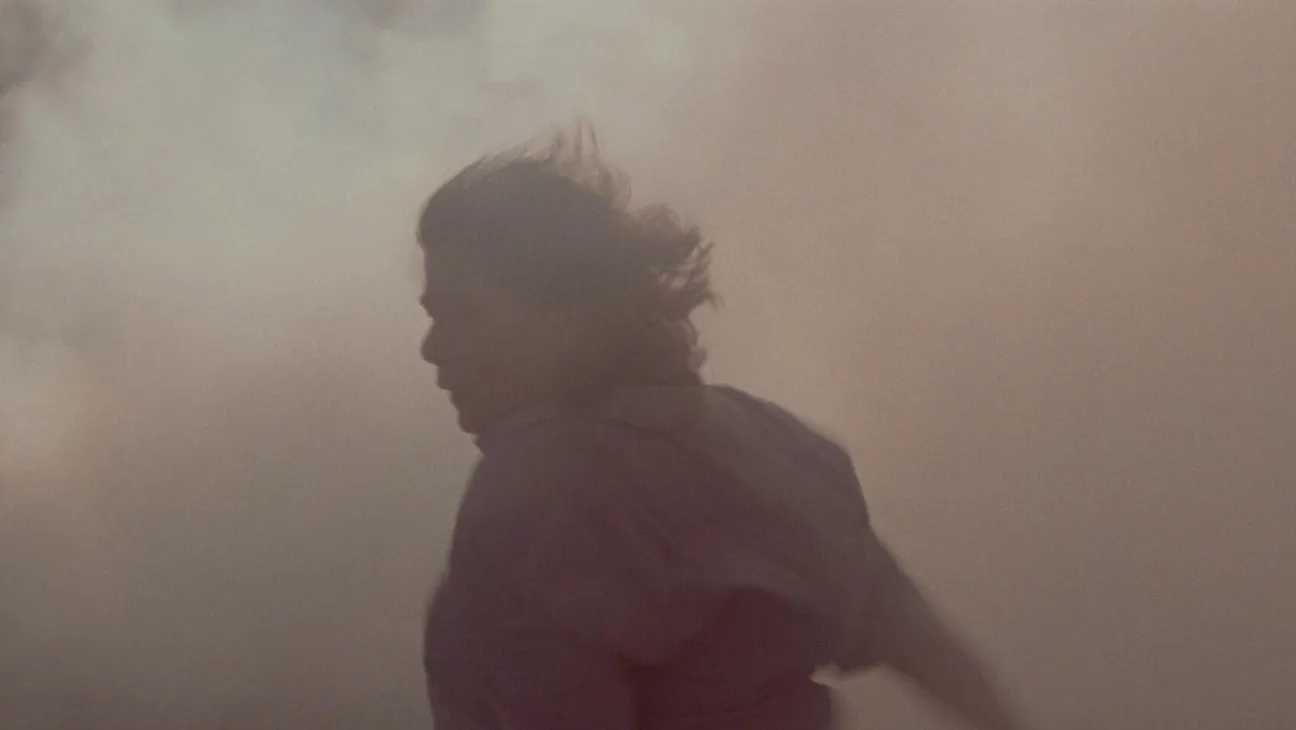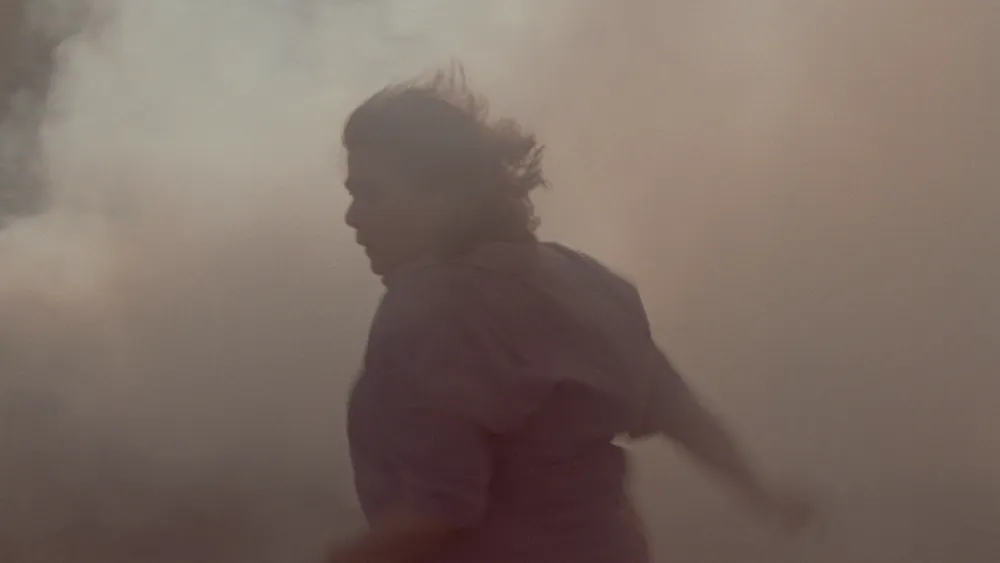
Early on in “Atonement,” there’s a battle so mired in the helter-skelter chaos of combat violence that it puts us right in the fog of war. Near the start of the conflict in Iraq in 2003, we’ve spent a few scenes getting to know the Khachaturians, a boisterous Iraqi family that’s jammed three generations of itself into a single home in Baghdad, all to stay out of harm’s way. But then a bomb blast intrudes, and the family members jump into cars and head across town, to where they think it will be safe. There’s no reason to think otherwise; there are lots of Iraqis out on the street, going about their business.
But as the cars approach an urban center, there’s gunfire in the distance — a squad of U.S. Marines is up on a roof, trying to pick off enemy combatants — and as bullets tear into the car, the grandmother, Mariam (Hiam Abbass), waves her white handkerchief out the window, to signal that they’re civilians who have come in peace. But it’s too late; her husband and two adult sons get out of the car, and before a moment can flash by they’re lying dead in the street.
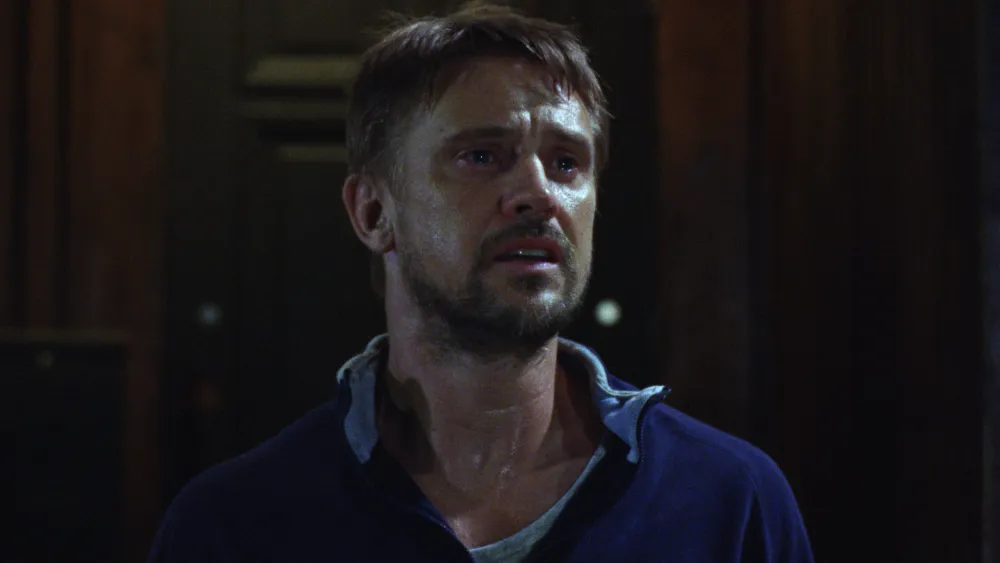
In war coverage, a phrase it’s easy to grow numb to is “civilian casualties.” (It sounds horrific, but it also sounds abstract.) “Atonement” rubs our noses in the shock and terror and individuality of civilian casualties — in their moral calamity. And in this case, the calamity extends to the soldiers who fired the bullets. They know, all too well, what they did. Yet it was an accident, so they’re also in denial. The Second Lieutenant, Lou D’Alessandro (Boyd Holbrook), wonders what civilians were even doing there, as if it was their job to know the shifting sands of war-zone geography. Talk about blaming the victims.