How can you tell when an asylum seeker professing to be child is lying? Often, it’s because he has crow’s feet, a receding hair-line and a beard. In other words, it’s sometimes obvious. That’s what makes so risible those stories we habitually read of men who are patently not children being granted asylum on the pretence that they are. We sigh in exasperation because we know why they have been let in: they have been granted entry by a system manned or manipulated by credulous do-gooders.
Human beings are good at intuition, at assessing each other non-rationally through mental processes we don’t fully understand, of spotting fakes and fraudsters by their mien, gait and ostensibly innocuous facial gestures. Thus the notion that we could simply employ AI to gauge the truthfulness of human beings is highly suspect. How can we create technology to mimic the workings of the human subconscious when we don’t entirely comprehend how it works ourselves?
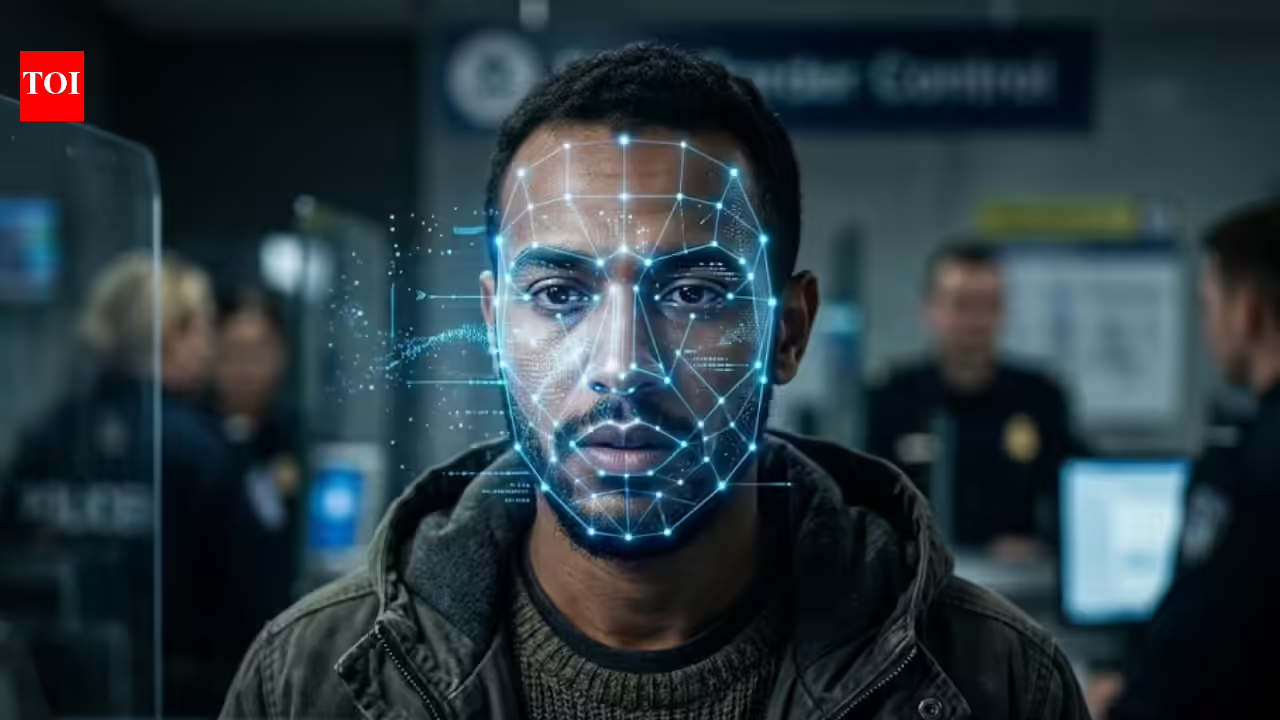
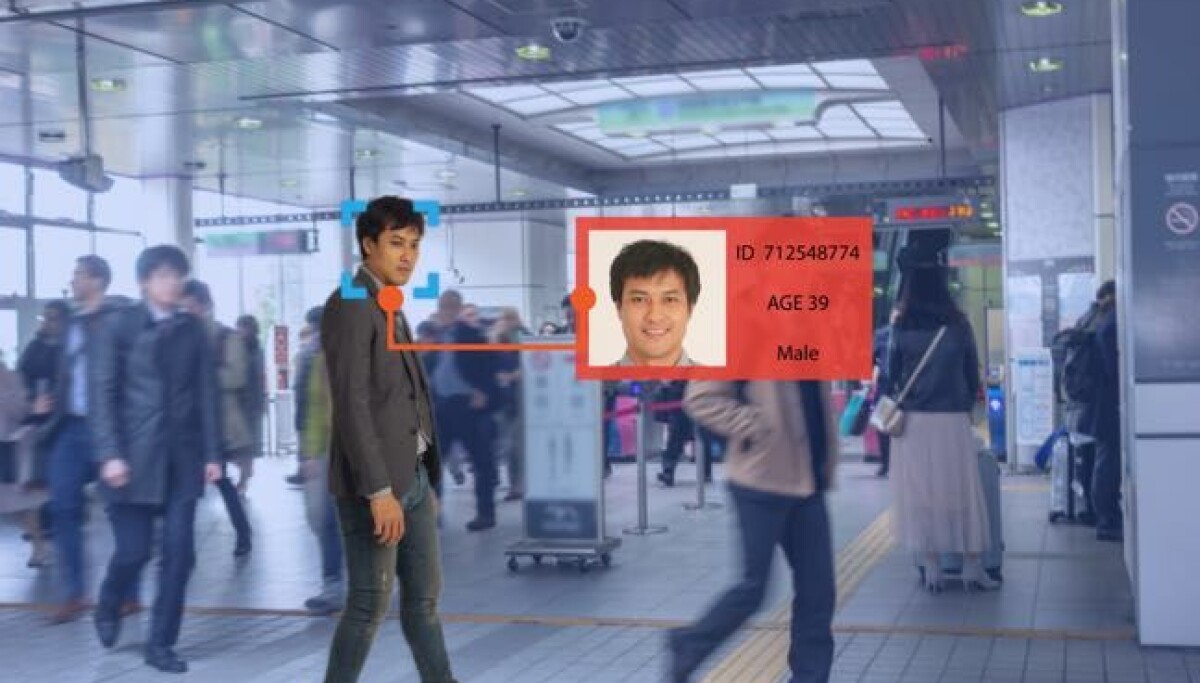
Yet that is the prospect now facing us. As reported today, the Home Office has announced it has awarded a software company a contract to develop technology to detect the age of adult migrants posing as children, technology to be deployed at the UK’s borders next year. This will involve estimating a person’s age by analysing photographs of them taken at the border. After the Home Office said initial testing indicated ‘promising performance and accuracy’, it has vowed that the technology will make it easier to identify adult migrants ‘attempting to game the system’.