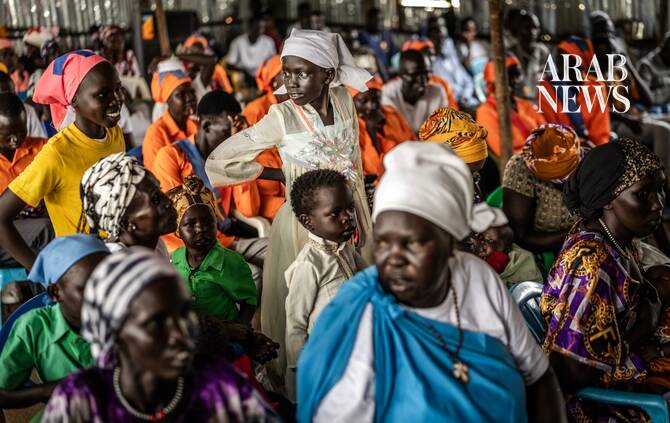
Starting next year, the Home Office plans to use AI-driven facial age estimation to assess the age of asylum seekers. At the UK border, deciding whether someone is 17 or 19 is a consequential judgment. Get it wrong one way, and a vulnerable child loses legal protections they're entitled to. But if it's wrong in the other direction, then an adult enters a system designed for minors.
Is this technology ready for such a high-stakes decision?
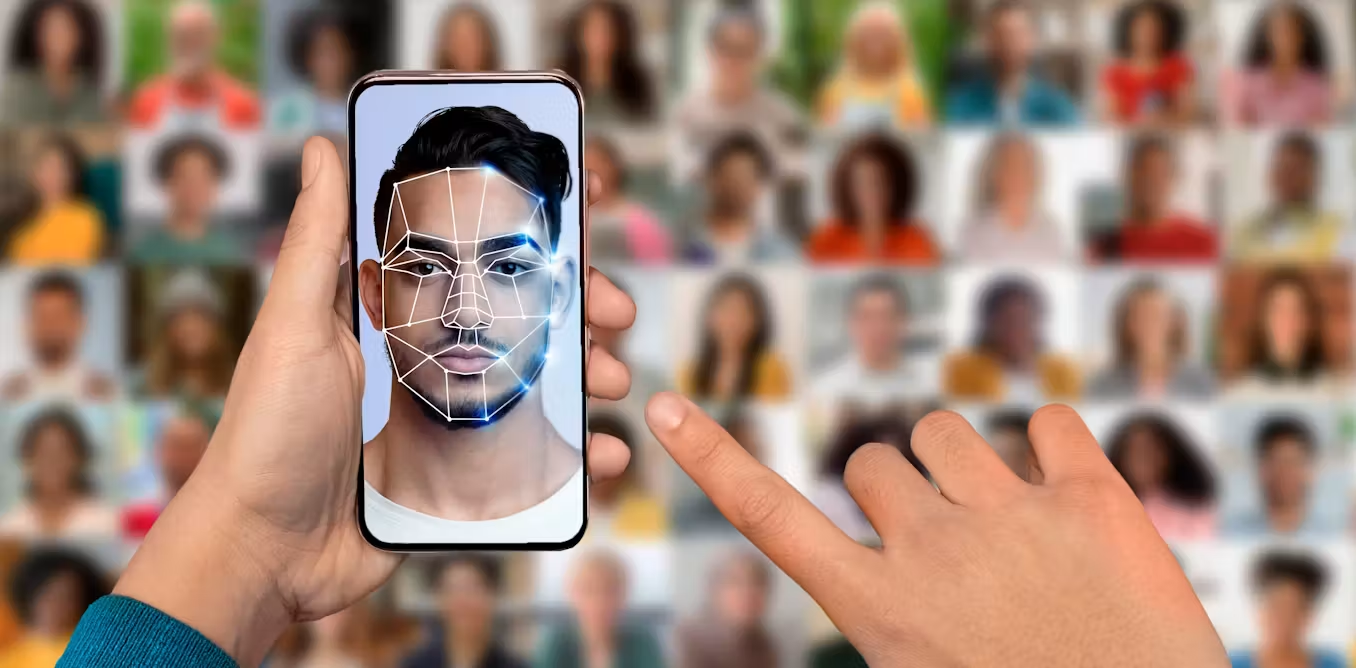
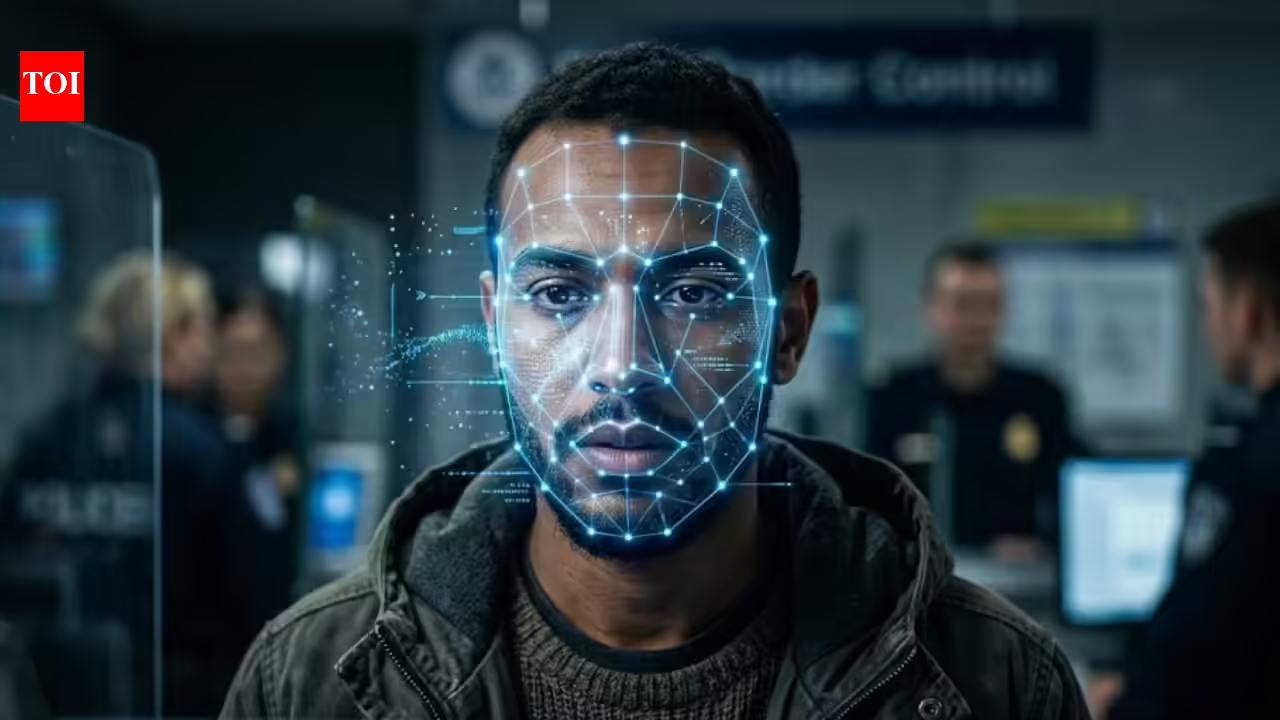
Facial age estimation works by feeding a photograph into an AI system that goes through multiple layers of analysis, each picking up increasingly subtle patterns in the image. It is trained on millions of photographs of people whose ages are already known. Over time, the model learns to associate patterns in a face with likely age ranges: skin texture, the depth of lines around the eyes, bone structure and the distribution of soft tissue.
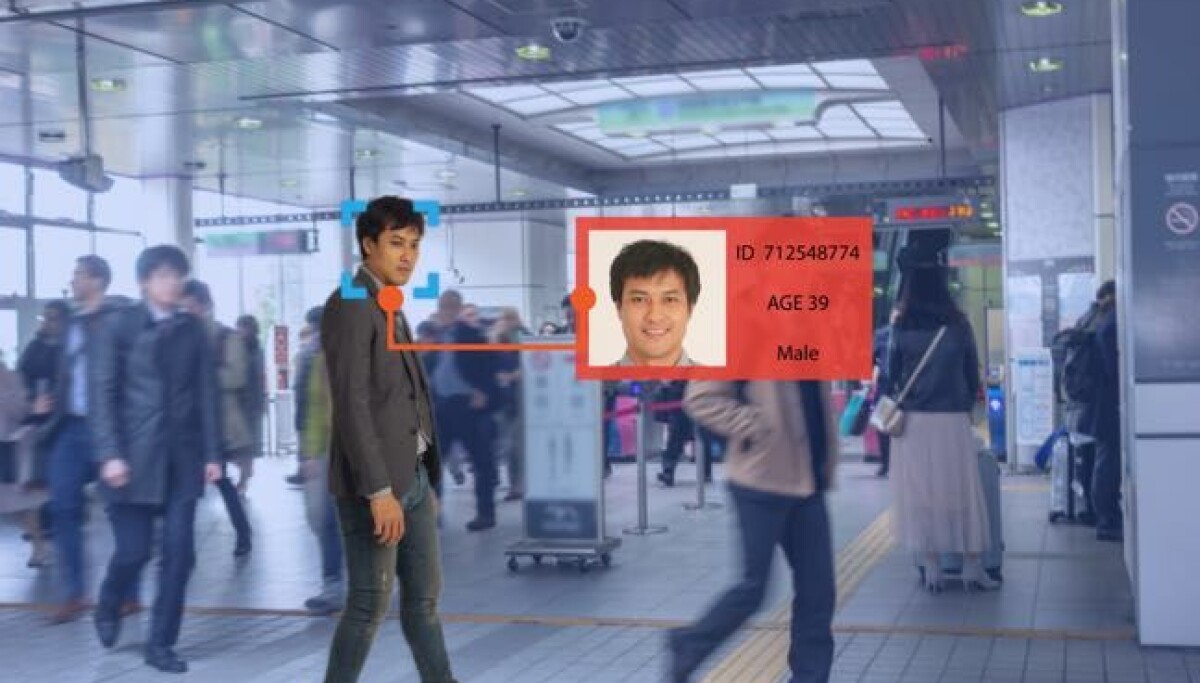
This is different from facial recognition, which identifies who someone is by matching their face against an existing database.
The system does not produce a single definitive answer. It produces a probability distribution, something closer to "most likely between 17 and 21" than "this person is 18." Research on automation bias in immigration finds that even when algorithmic outputs are advisory, officers under time pressure tend to focus on them rather than question them, and a range becomes a number.