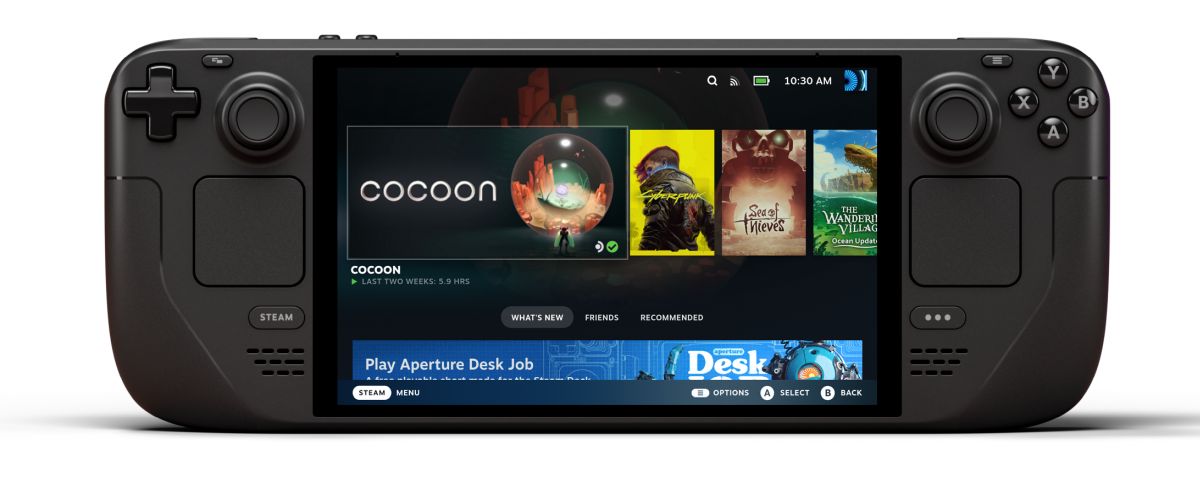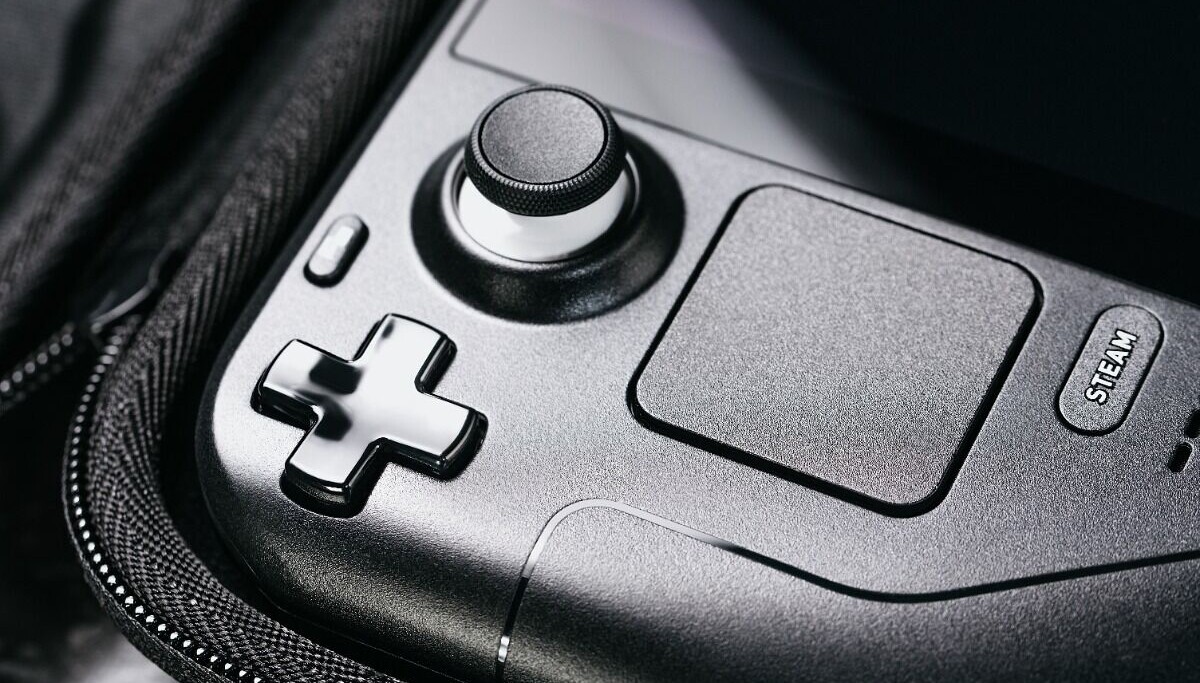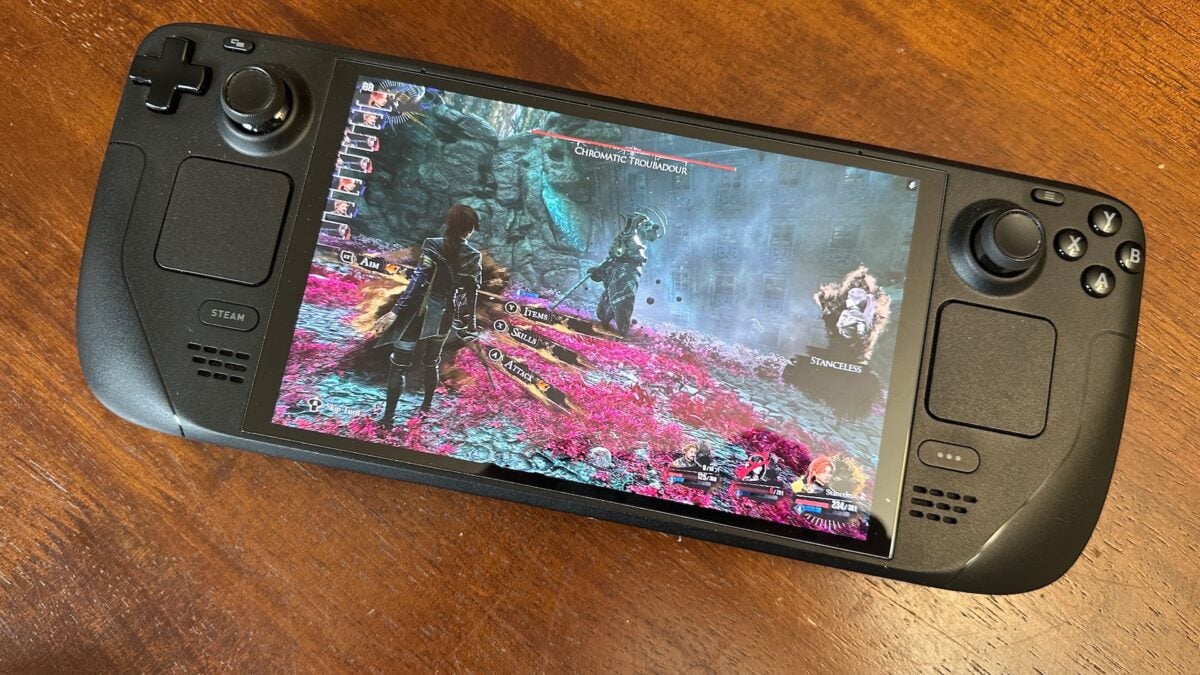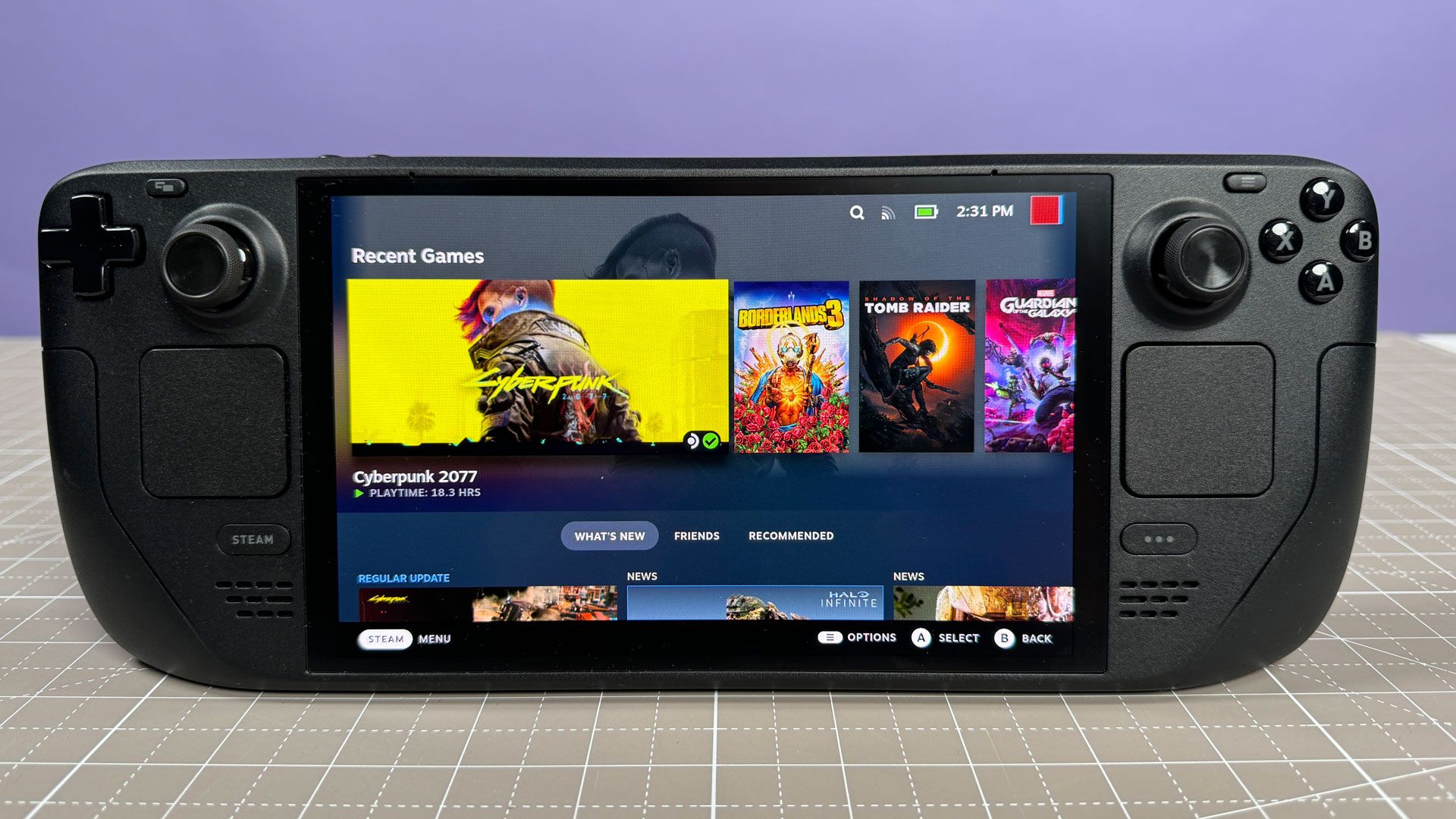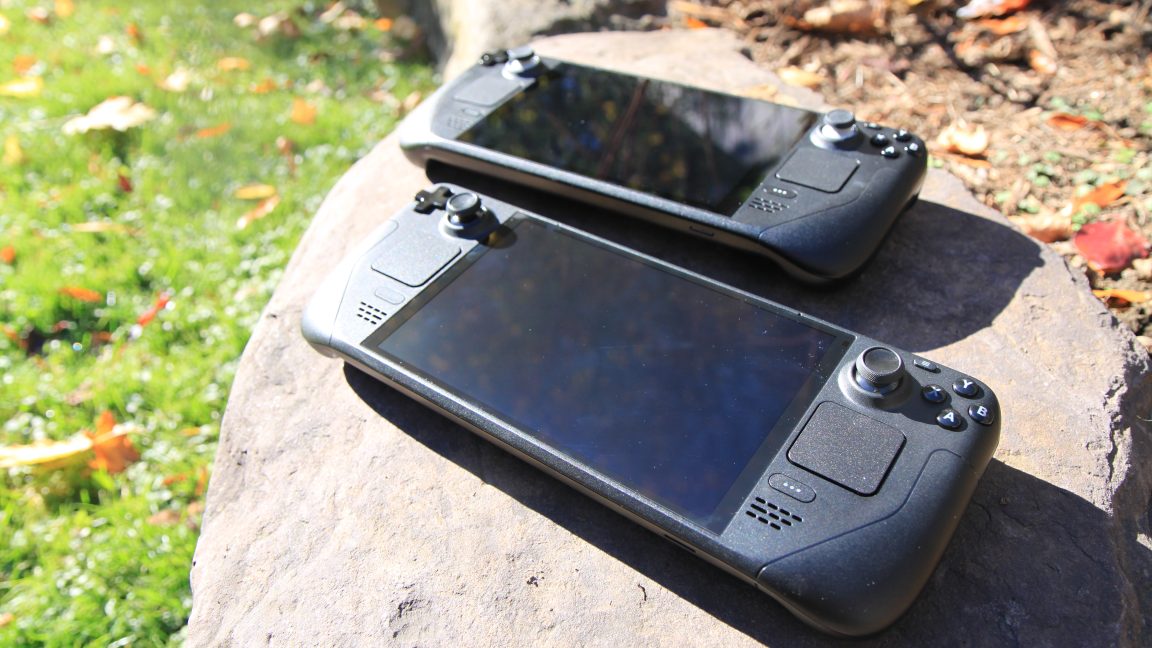
THE BIG PICTURE: Despite a new price that flirts with the $1,000 mark, the Steam Deck has risen to the top of Steam's sales charts as availability remains intermittent. As the RAM crisis erodes the price advantage of Valve's handheld over Windows-based competitors, Intel has announced its latest answer to AMD's dominant portable PC gaming processors.
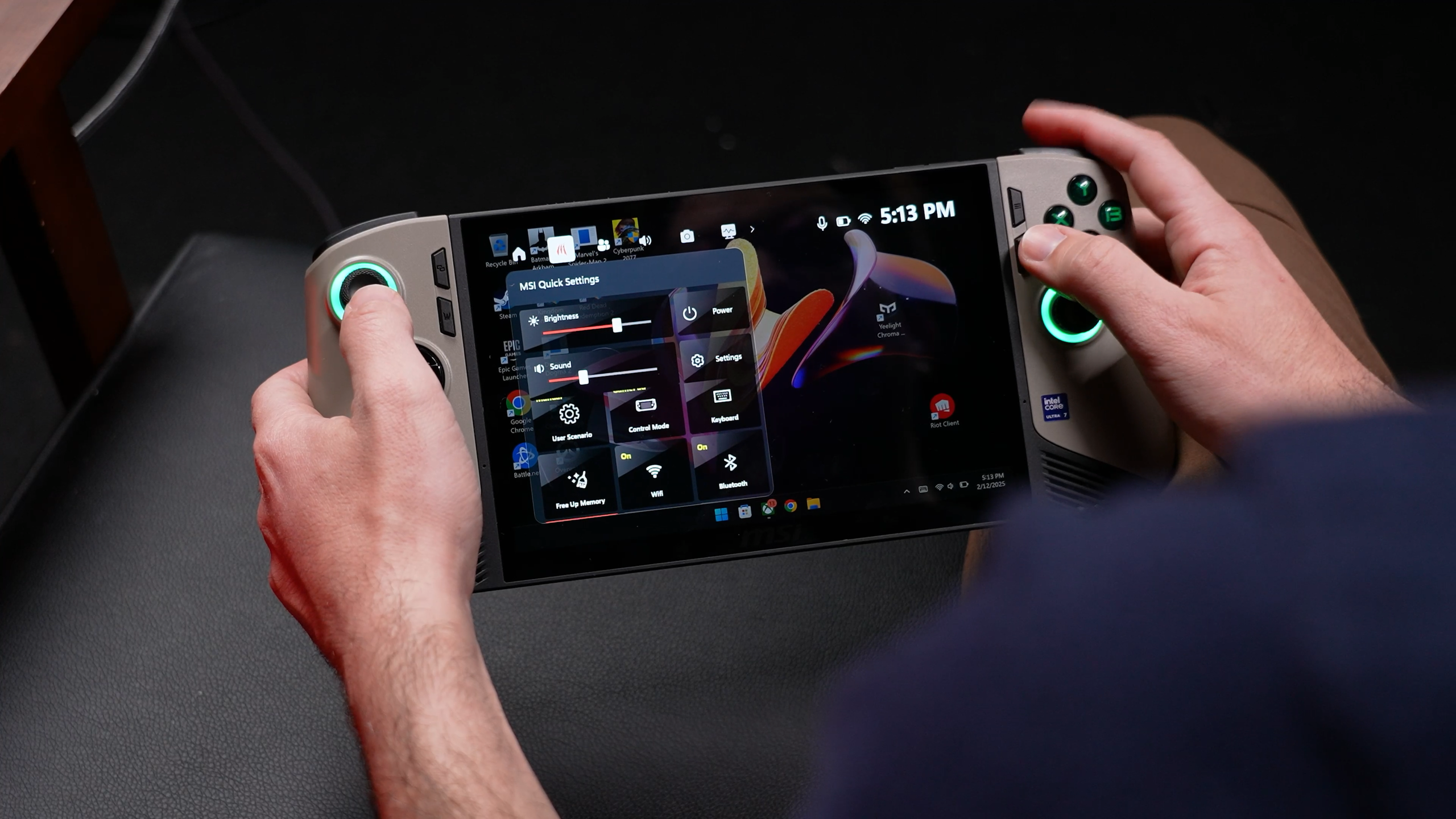
Although the Steam Deck's new price makes the pioneering handheld gaming PC far less appealing, it still managed to sell out less than 24 hours after the hike. Shortly afterward, Intel unveiled its Arc G3 series APUs, which bring its new Panther Lake architecture into the portable gaming arena.
Supply constraints amid RAM shortages are the most likely reason behind the spotty availability of the $789 512GB model and $949 1TB variant of Valve's OLED Steam Deck. Still, the cheaper model currently leads the sales revenue ranking on the company's online storefront.
However, observers have noted that the price hike makes the Steam Deck a worse deal than the Asus ROG Xbox Ally. The Windows 11 handheld's $599 base model achieves similar performance, while the $999 ROG Xbox Ally X costs only $50 more than the top-end Steam Deck and features superior specs. Both Asus models also enable higher resolutions and refresh rates, leaving Valve's OLED screen being its last remaining advantage.