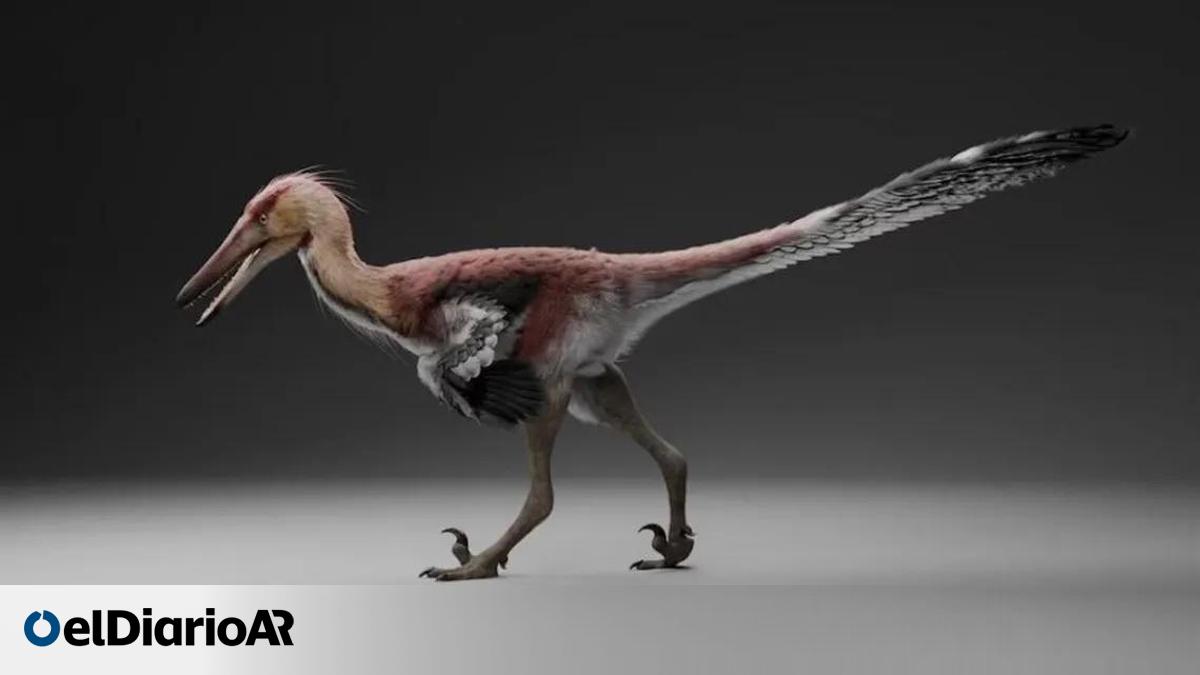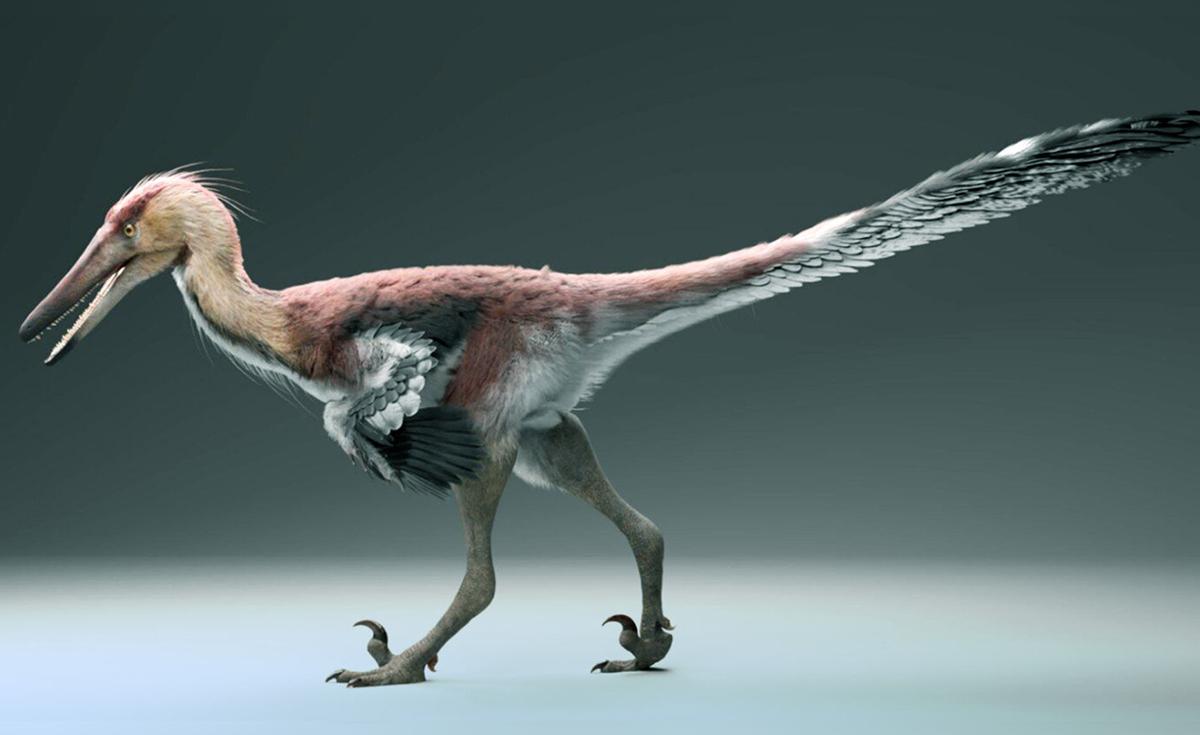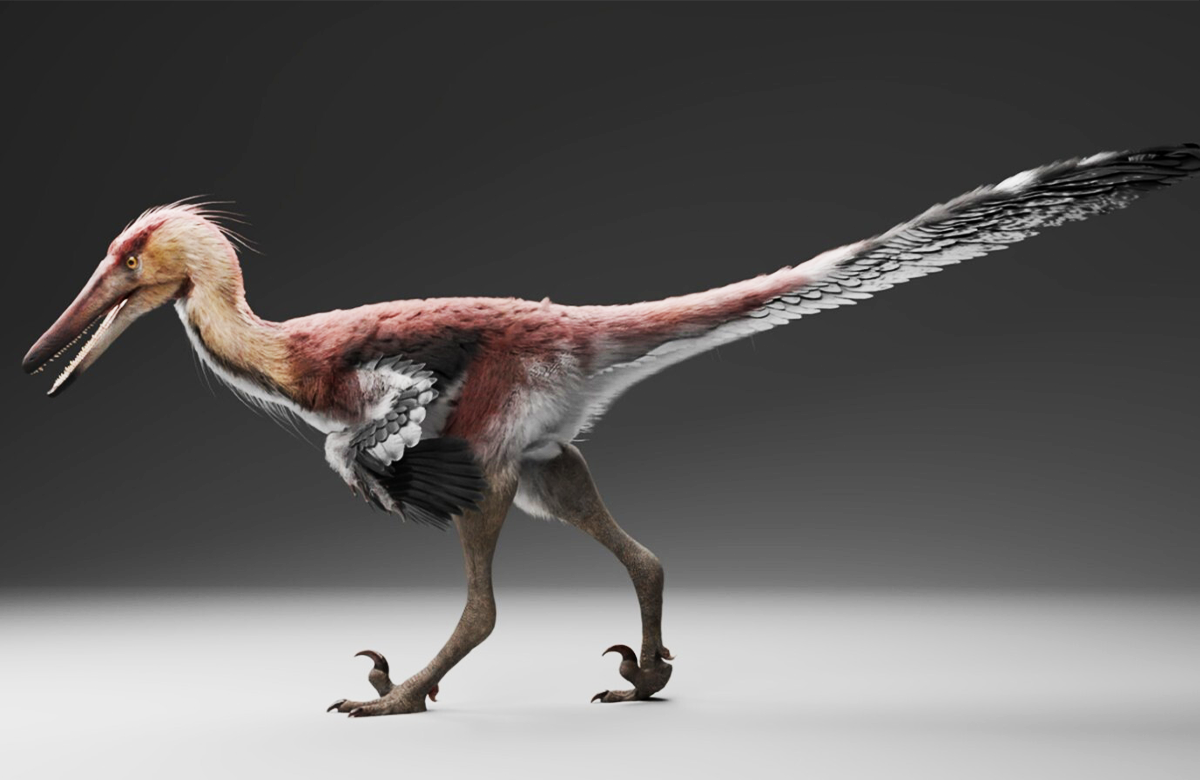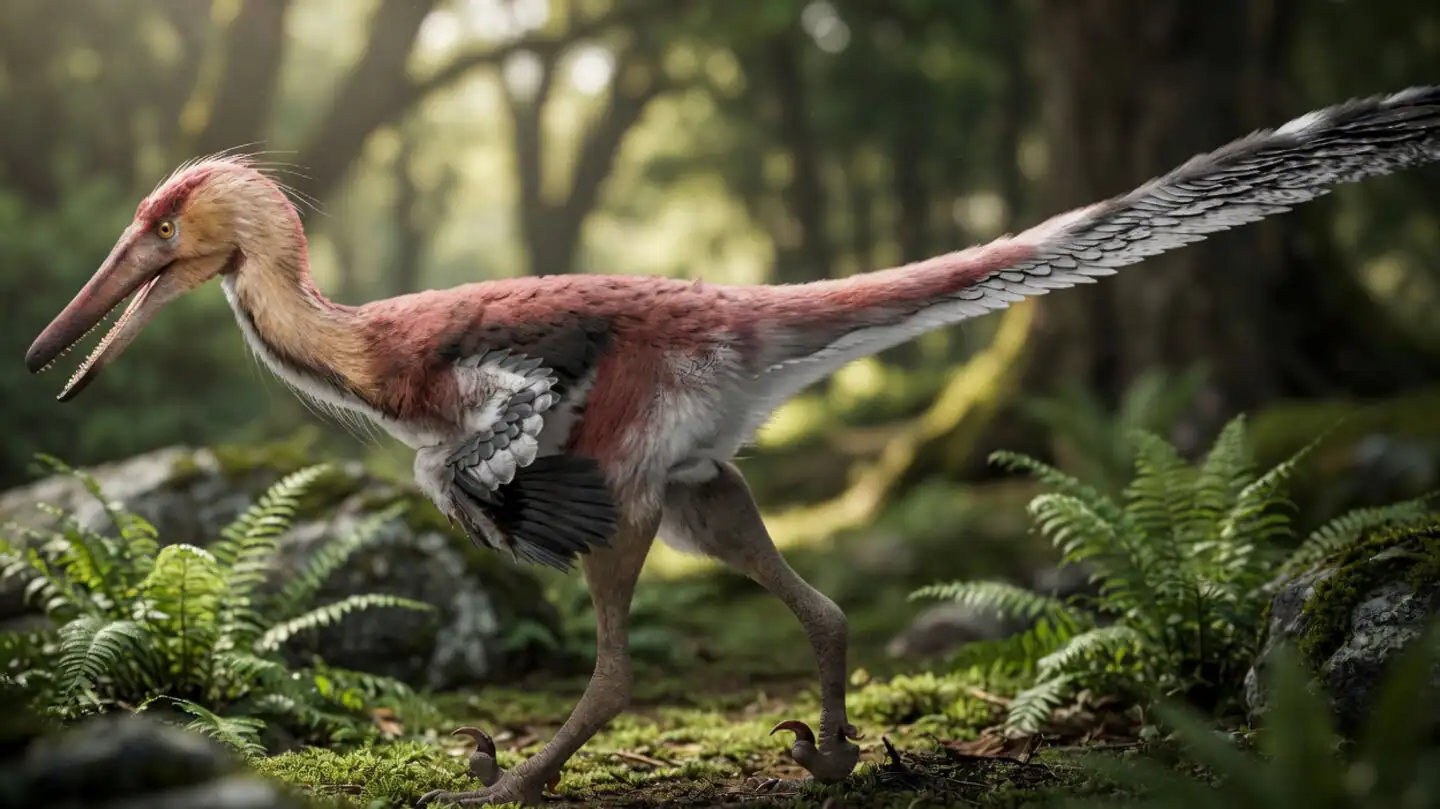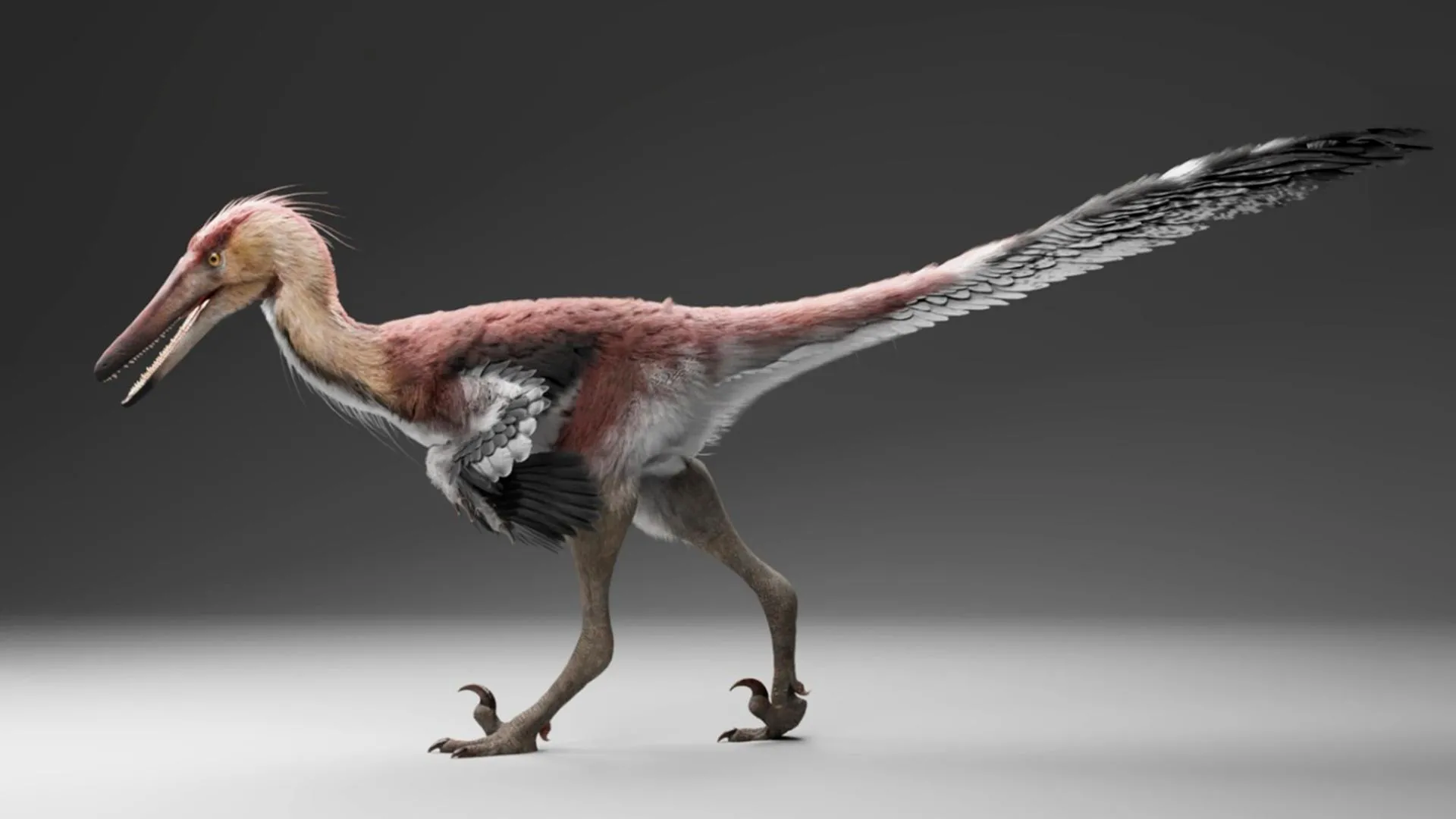
Paleontologists have identified a new species of raptor-like dinosaur that lived about 70 million years ago in what is now southern Patagonia. The animal, named Kank australis, appears to have been a fish hunter whose feeding habits may have resembled those of modern herons.
The discovery is based on fossil remains that include teeth, vertebrae, and toe bones. Researchers classified the dinosaur as an unenlagiid, a group of small to medium sized theropod dinosaurs known from Late Cretaceous rocks in South America, Antarctica, Australia, and Madagascar.
By comparing the fossils with those of Neuquenraptor argentinus, another unenlagiid that lived in northern Patagonia around 90 million years ago, scientists estimate that adult Kank australis reached a length of roughly 2.5 to 3 meters (8 to 10 feet).
The species is described by paleontologist Dr. Matías Motta of the Bernardino Rivadavia Natural Sciences Museum in Buenos Aires (Museo Argentino de Ciencias Naturales "Bernardino Rivadavia") and colleagues in a study published in the Journal of Vertebrate Paleontology.
Life in Ancient Patagonian Wetlands