What They Stole: A Familicide Rooted in Intercountry Adoption by Paige Towers. Iowa State University Press, 350 pages. 2026.
In late 1954, after the end of the Korean War, an evangelical reverend working in East Asia returned to the United States and embarked on a cross-country tour to spread the word of God. More specifically, as a cofounder of the Christian humanitarian aid group World Vision, Bob Pierce wanted to raise awareness of the plight of multiracial Korean children fathered by American servicemen—referred to at the time as “Amerasian” or “GI” children—whom World Vision depicted in anticommunist propaganda materials as ostracized and especially vulnerable to starvation, homelessness, and death. According to World Vision, God wanted Christians to financially “sponsor” mixed-race Korean children, Save the Children-style.
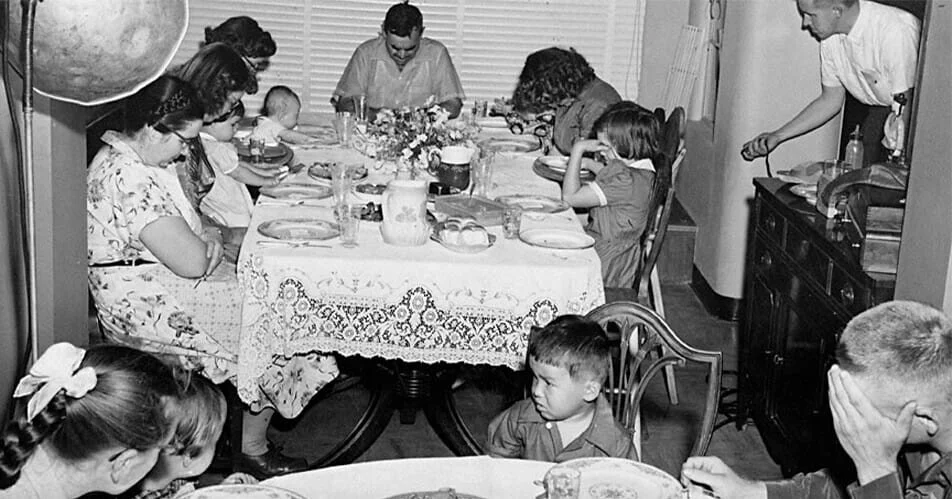
In attendance at Pierce’s December 1954 presentation in Eugene, Oregon, were Harry and Bertha Holt. First cousins from Iowa who fled the state in order to evade a law that prohibited their marriage, the Holts had settled in Oregon in 1940. Harry—a stubborn individualist with an eighth-grade education who hated labor rights and governmental “red tape”—became a millionaire by buying up cheap timberland and logging it off at his sawmill. Bertha, who had been trained as a nurse at the University of Iowa, stayed at home to care for their six children. But in 1950, at age forty-five, Harry suffered a heart attack; he refused to seek medical attention, never fully recovered, and was forced to retire. A devout Christian—he and Bertha had been “born again” as evangelicals after being raised in the Plymouth Brethren, an insular, conservative sect—Harry waited for God to tell him what he should pursue next.