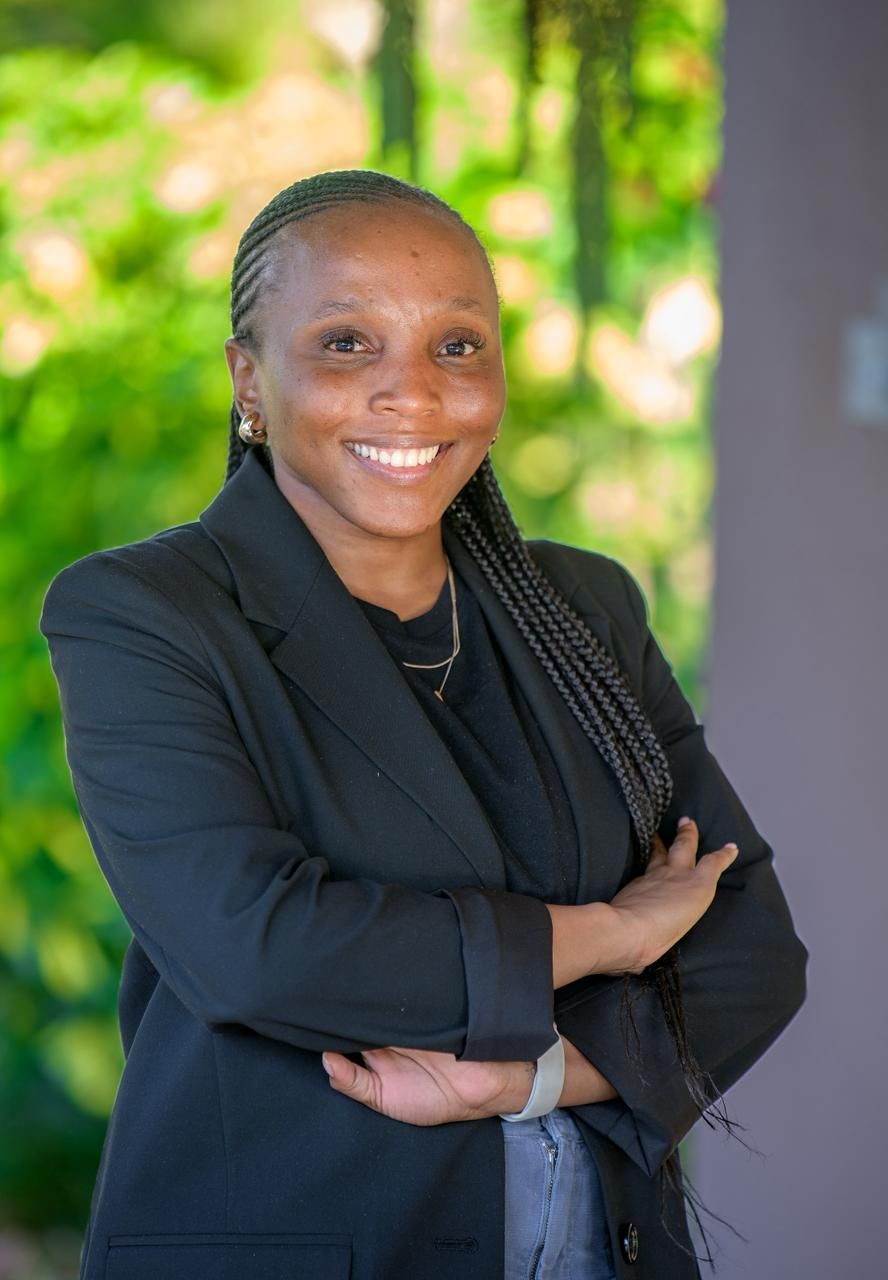
Gcotyelwa Jimlongo is a political campaigns researcher at the Political Campaigns Resource Hub, a subsidiary of the International Centre for Political Campaigns.
When the Zimbabwe Council of Churches (ZCC) told Parliament that the Constitution of Zimbabwe (Amendment No. 3) Bill, 2026, is “constitutionally, morally, and democratically compromised,” it delivered one of the clearest and most forceful statements the country’s major church bodies have ever made on constitutional matters.
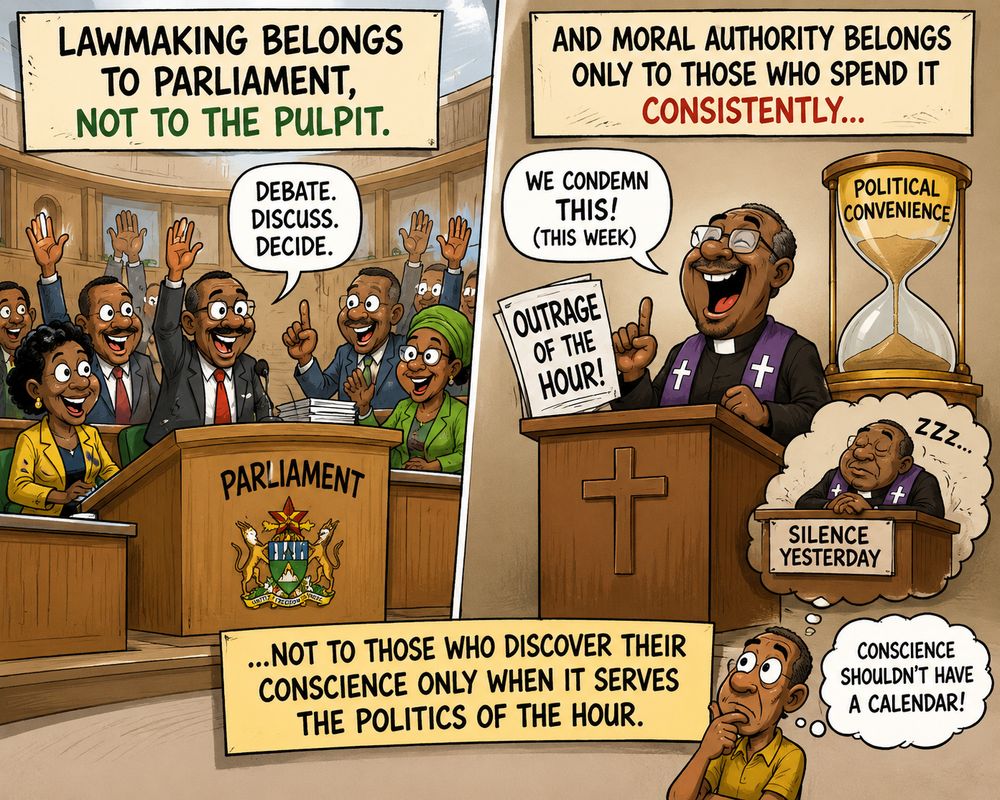
This is welcome. Yet the very strength of their current stance invites a deeper, more honest question: is this the flowering of a steady prophetic tradition, or merely the latest chapter in a long pattern of bold starts followed by quiet retreats?
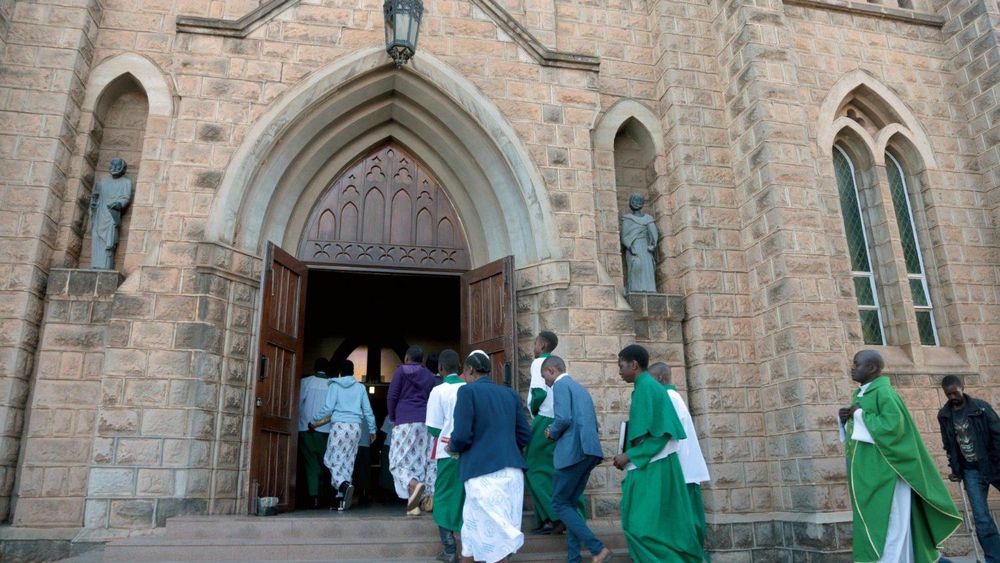
The three institutions at the centre of this story—the Zimbabwe Catholic Bishops’ Conference (ZCBC), the Zimbabwe Heads of Christian Denominations (ZHOCD), and the ZCC—carry genuine moral authority. The ZCBC, established by Roman decree in 1969, is one of Zimbabwe’s oldest organised church voices.
The ZHOCD brings together the ZCBC, ZCC, Evangelical Fellowship of Zimbabwe, and Union for the Development of Apostolic Churches in Zimbabwe Africa so that Christians can speak with one voice on national issues.