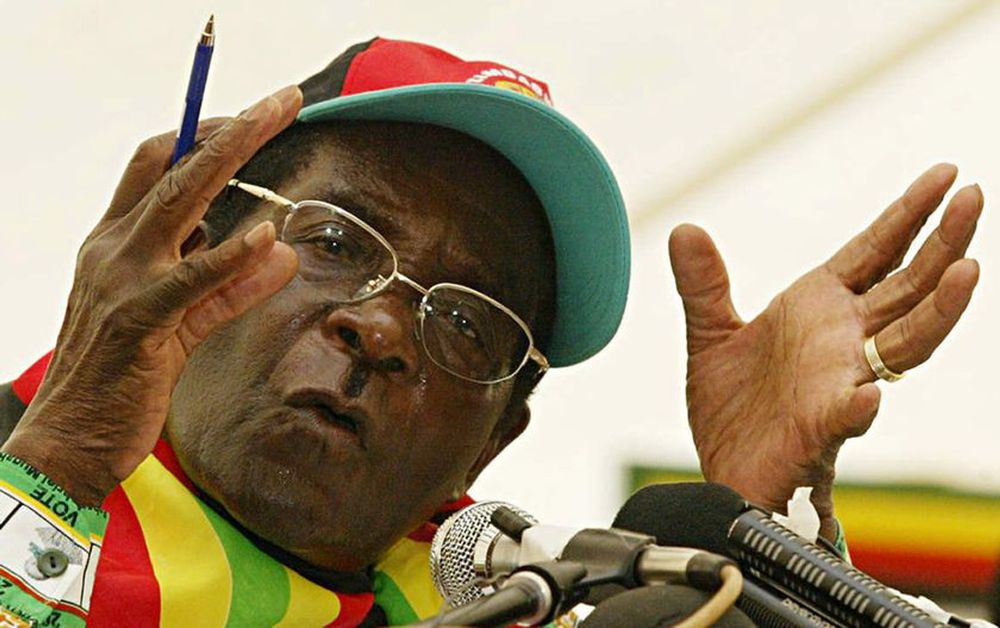
Former Zimbabwean president Robert Mugabe. Constitutional Amendment No 7 abolished the office of Prime Minister and replaced it with an executive presidency under Mugabe.
FORTY years of election violence, institutional decay, and political polarisation did not emerge by accident in Zimbabwe. They are the product of a constitutional structure deliberately designed to concentrate power in one office.
The current debate around Constitutional Amendment Bill No. 3 (CA3), gazetted in February 2026 and proposing, among other reforms, the replacement of direct presidential elections with parliamentary elections of the head of state and government, is being framed in simplistic terms: An authoritarian executive trying to sidestep the will of the people versus civil society defending democracy.
That framing collapses under historical scrutiny.
The uncomfortable truth is that many of the loudest defenders of Zimbabwe’s current constitutional order are defending a political architecture originally designed for a one-party state, and inconsistent with the country’s 2013 Constitution.