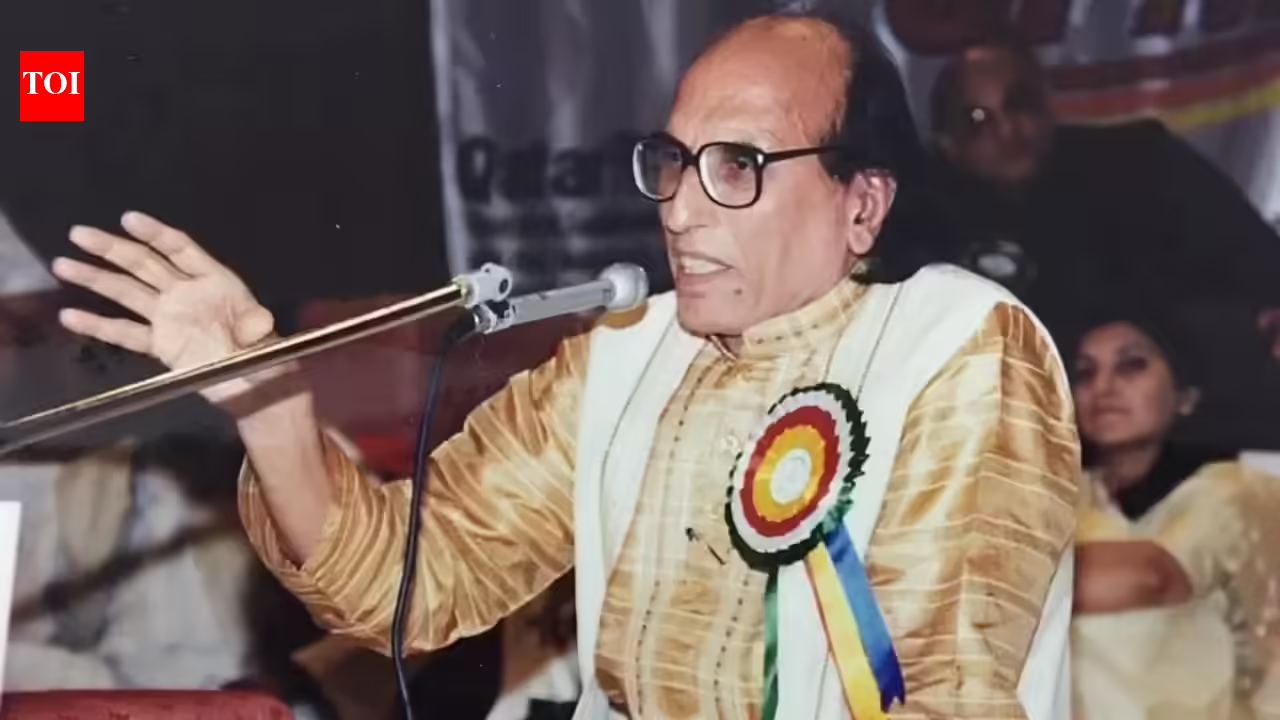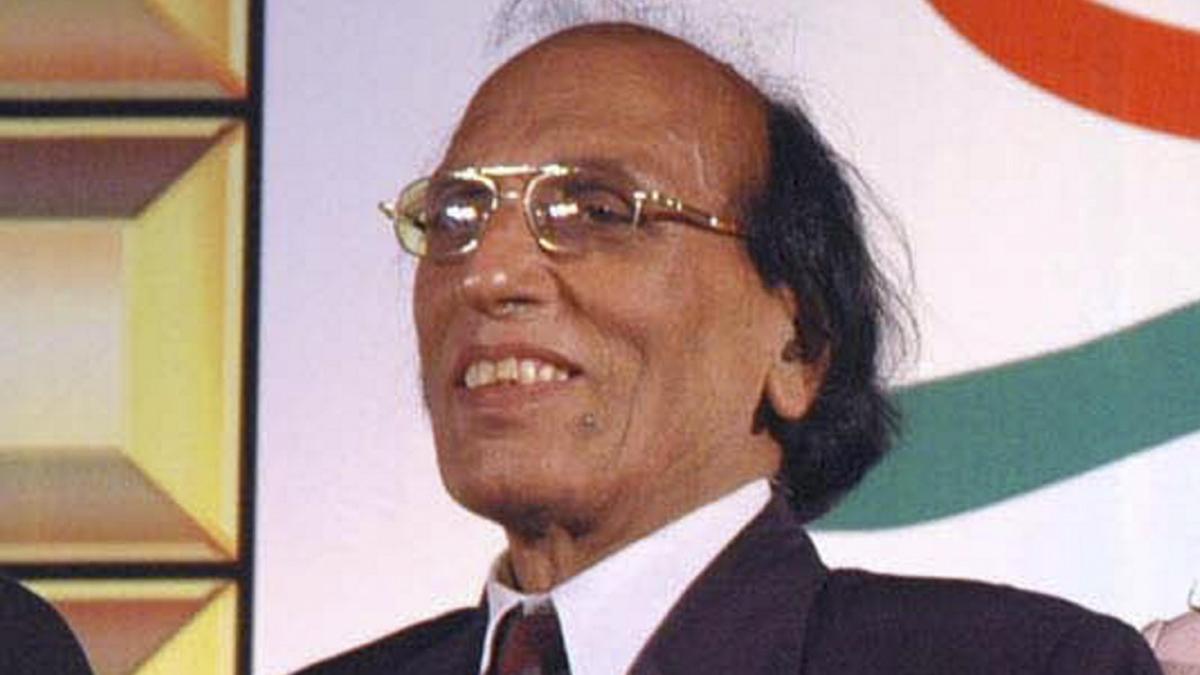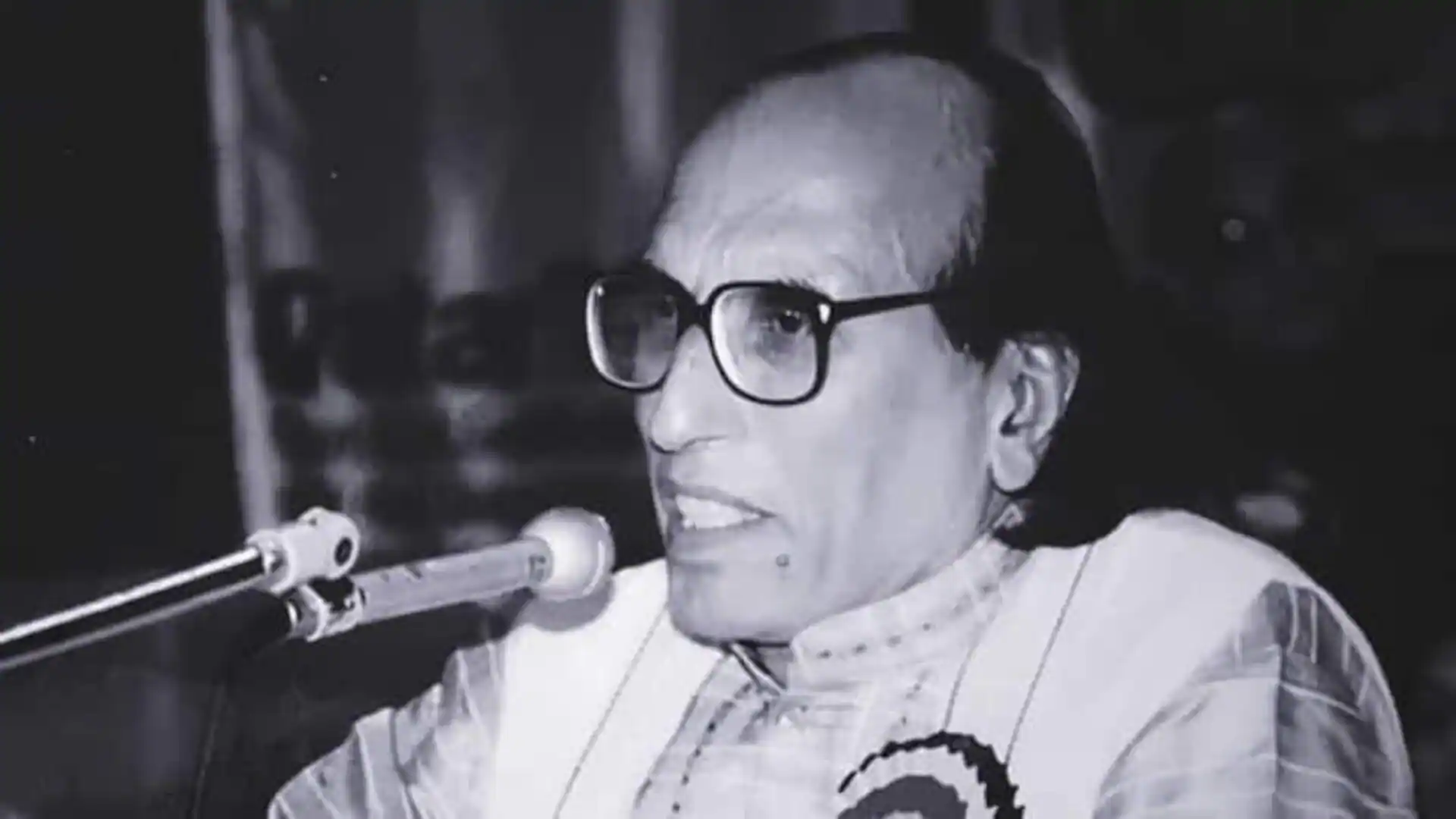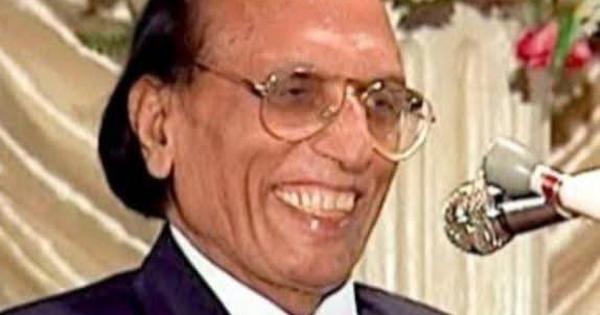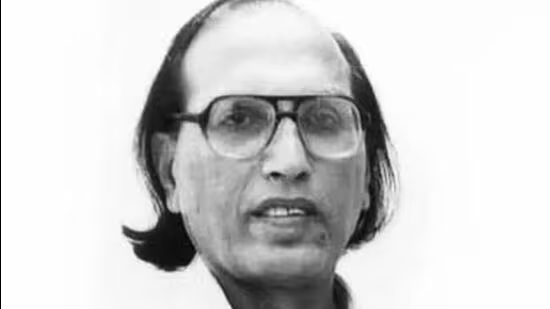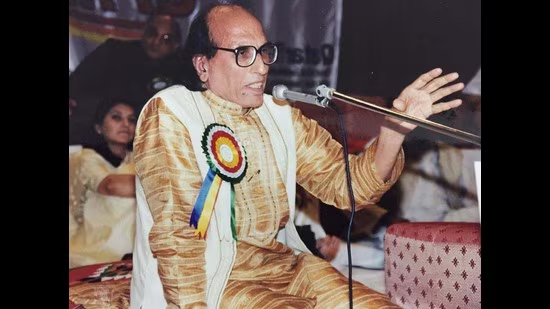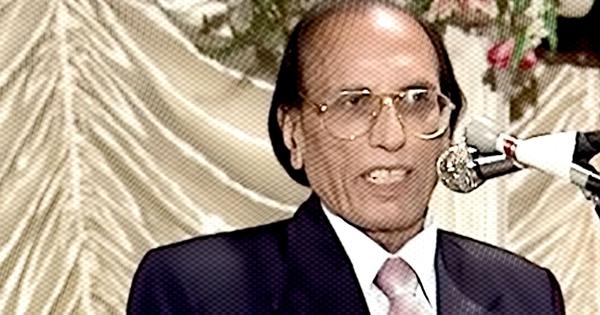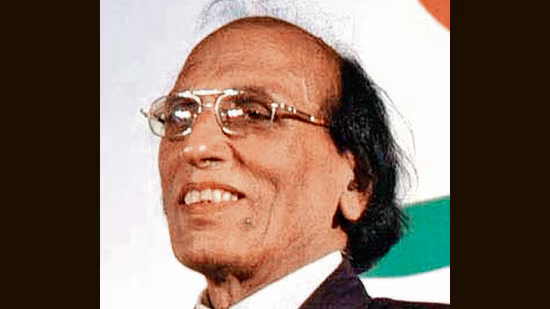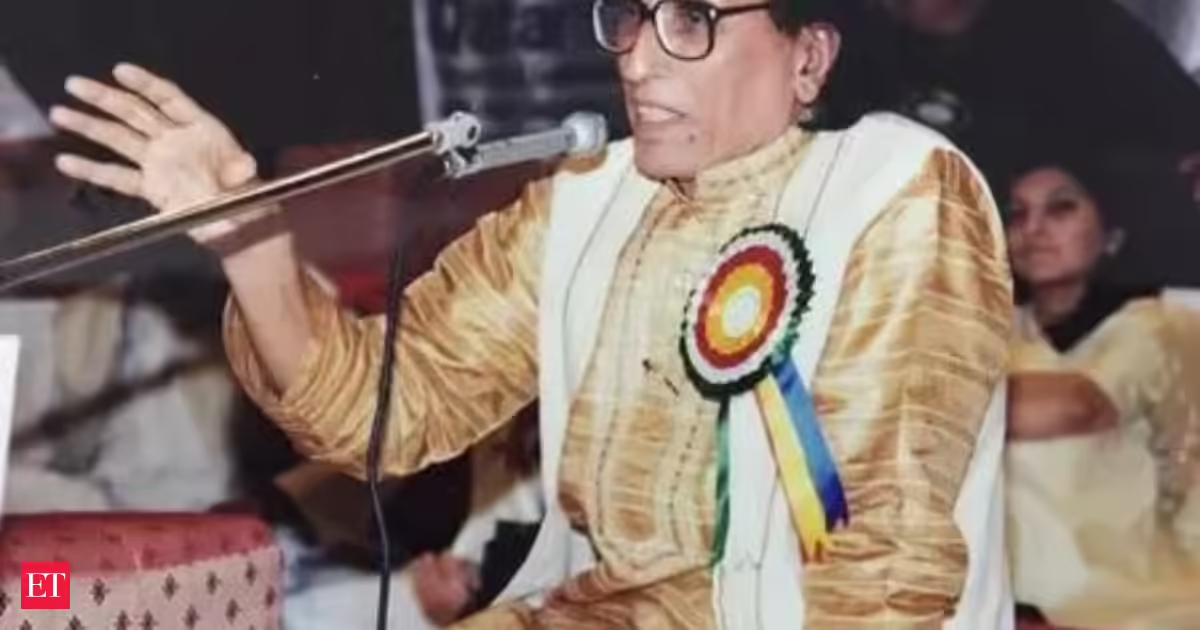
“Dushmani jam kar karo lekin ye gunjaish rahe…” for generations of poetry lovers, these words were not just a couplet but an emotion. Legendary Urdu poet and Padma Shri awardee Bashir Badr, whose shayari touched hearts across India and beyond, passed away in Bhopal on Thursday after a prolonged illness. He was 91. Known for his simple yet deeply moving poetry, Badr created verses that spoke of love, heartbreak, friendship and the pain of life in a way that felt personal to everyone reading them.Bashir Badr’s famous ‘Dushmani jam kar karo’ couplet became unforgettableOne of Bashir Badr’s most iconic couplets became widely remembered during the 1972 Shimla Agreement between India and Pakistan. The lines, “Dushmani jam kar karo lekin ye gunjaish rahe, jab kabhi hum dost ho jayein to sharminda na hon”, beautifully captured the idea that even in conflict, humanity should remain alive. Over the years, the couplet became a symbol of dignity, relationships and hope.From Ayodhya to literary greatness: Bashir Badr’s journeyBorn in Ayodhya, Uttar Pradesh, on February 15, 1935, Bashir Badr started writing poetry when he was only seven years old. He later became one of the most celebrated voices in Urdu literature. His ghazals stood out because they used modern, conversational Urdu that ordinary people could instantly connect with. Along with Urdu, he was also fluent in Persian, Hindi and English.Shayari that people still quote every dayBashir Badr’s poetry continues to live on social media captions, mushairas and everyday conversations. His famous lines like “Kuch to majbooriyaan rahi hongi, yun hi koi bewafa nahi hota” and “Ujale apni yaadon ke hamare saath rehne do” remain deeply loved even today. Another powerful couplet, “Log toot jaate hain ek ghar banane mein, tum taras nahi khate bastiyan jalane mein”, reflected pain and loss with heartbreaking honesty.Personal tragedy changed Bashir Badr’s life foreverBadr’s life was not untouched by hardship. During communal violence in Meerut in 1987, his house was burnt down and many of his unpublished writings were destroyed forever. After the tragedy, he moved to Bhopal and rebuilt his life from scratch. Many believe this painful chapter added deeper emotion and sorrow to his later poetry, making his words even more relatable.Bashir Badr leaves behind an unforgettable literary legacyOver the decades, Bashir Badr published several poetry collections including ‘Aas’, ‘Aamad’, ‘Aahat’, ‘Ikai’ and ‘Kulliyate Bashir Badr’. He also wrote literary criticism books and his work was translated into English, French and Gujarati. Apart from receiving the Padma Shri, he was honoured by multiple Urdu academies and literary organisations. Lyricist Javed Akhtar also paid tribute to the poet, saying Urdu had become “a little poorer” with his passing.Even at 91, Bashir Badr’s words continue to feel fresh, emotional and timeless. His poetry did not just rhyme, it healed, questioned and stayed with people long after the page ended.Inputs from agencies
Bashir Badr Death: Ayodhya-born Urdu poet who lost everything in Meerut violence gave world the iconic ‘Dushmani Jam Kar Karo’ shayari during 1972 Shimla Agreement
Renowned Urdu poet Bashir Badr, celebrated for his deeply moving verses, has passed away in Bhopal at 91. His iconic couplet, 'Dushmani jam kar karo,' resonated widely, symbolizing hope and dignity. Badr's simple yet profound shayari, often reflecting love and life's pain, continues to be cherished across generations, leaving an indelible literary legacy.
471 words~2 min read