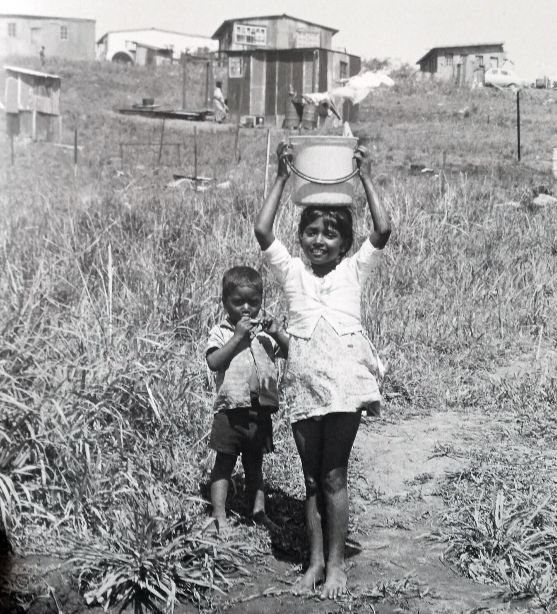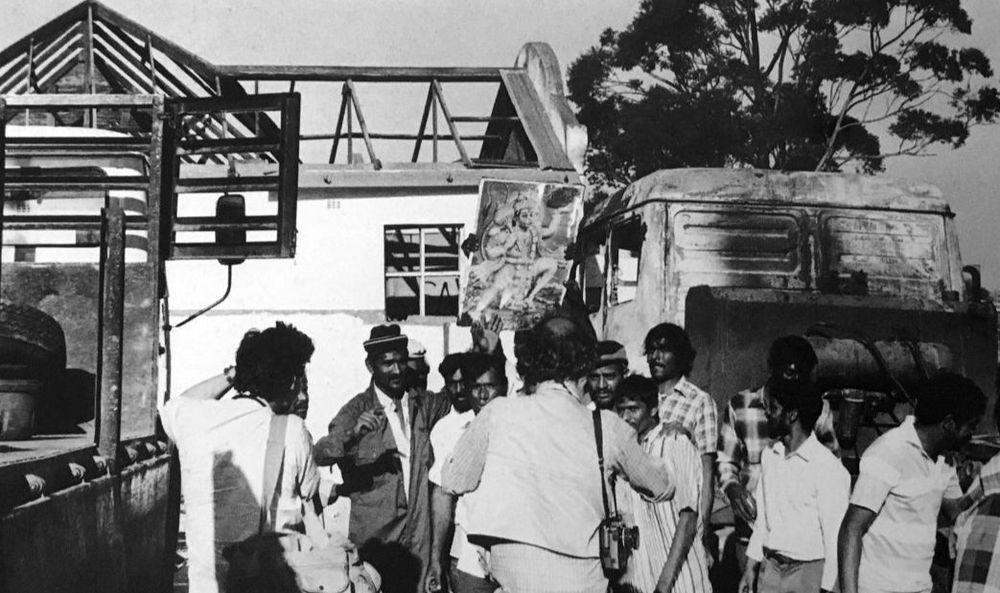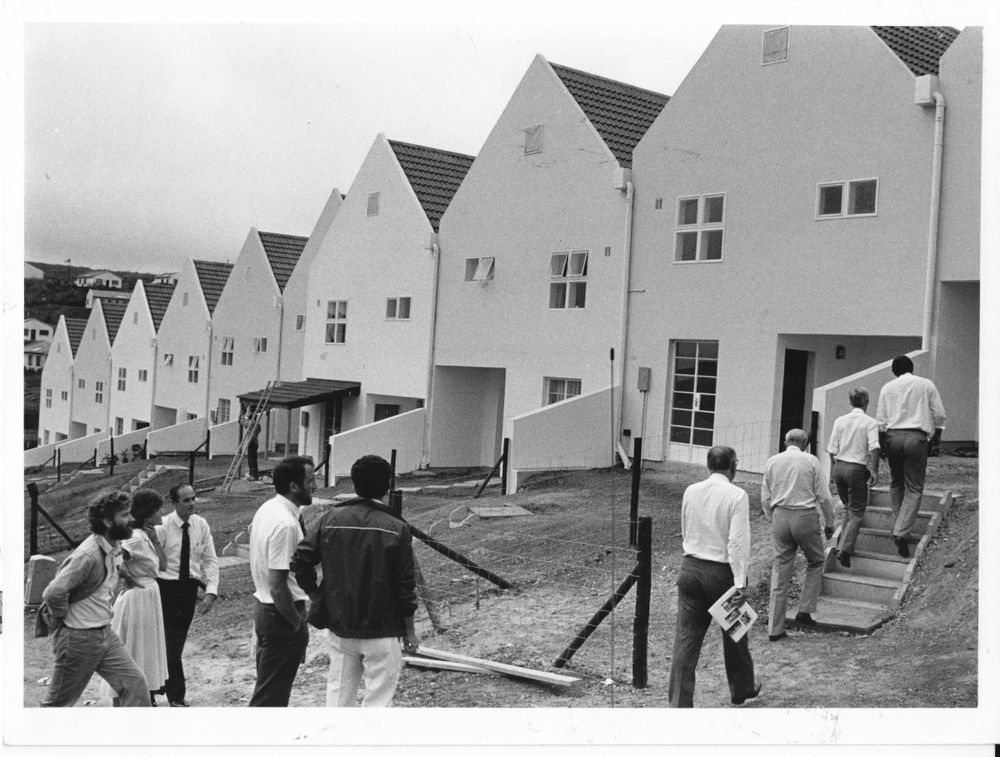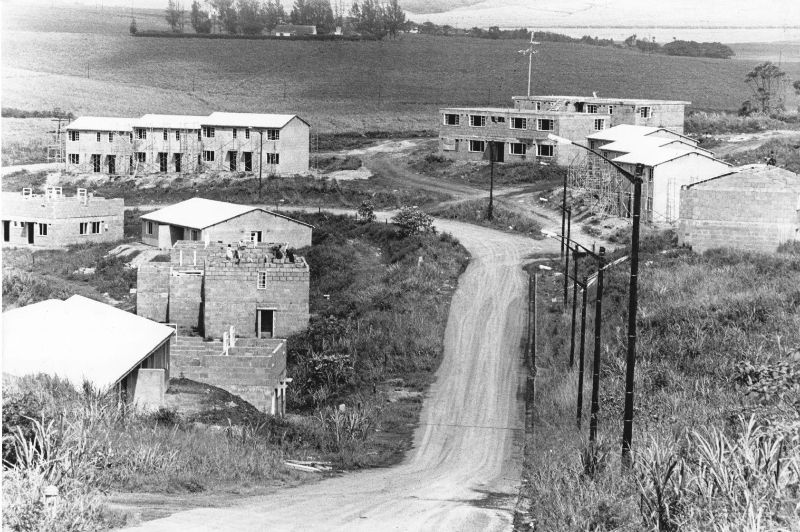
Planning for the establishment of Phoenix as a new public low-cost housing scheme began on August 29, 1966, by the Durban City Council.
“THEY gave us numbered units on sugar cane fields and called it a future. We turned it into a home, a community, a history – and from that home we sent our children out to change the world. That is the story of Phoenix. It deserves to be told whole.”
I have been writing about this community for the better part of three decades, and yet, when the POST editor Yogas Nair called to ask me to mark Phoenix’s 50th year, I sat for a long moment before I put pen to paper. Not because I had nothing to say.
Because I had almost too much. And because so much of what I wanted to say, I suspected many people – even those who live here – had never fully heard.
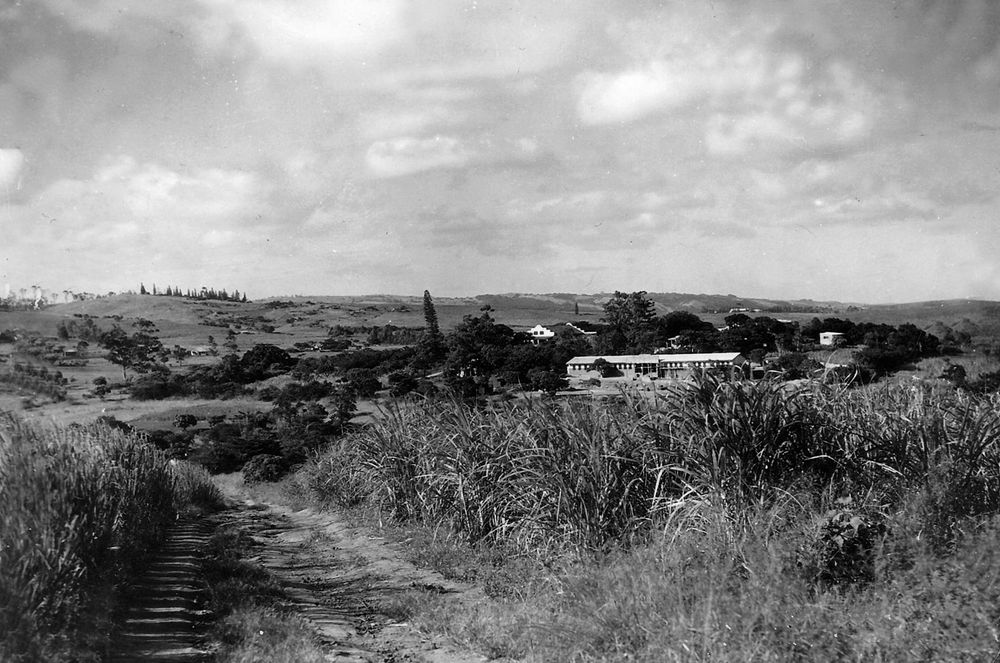
Phoenix did not begin in 1976. Its story starts in 1904, when a young Indian lawyer named Mohandas Karamchand Gandhi purchased a 100-acre farm approximately 20 kilometres north of Durban, and founded the Phoenix Settlement. It was here that Gandhi printed the Indian Opinion newspaper and developed the philosophy of Satyagraha – passive resistance – that would eventually inspire liberation movements from Alabama to Johannesburg. The soil beneath Phoenix has that lineage. Not many neighbourhoods anywhere in the world can claim the same.