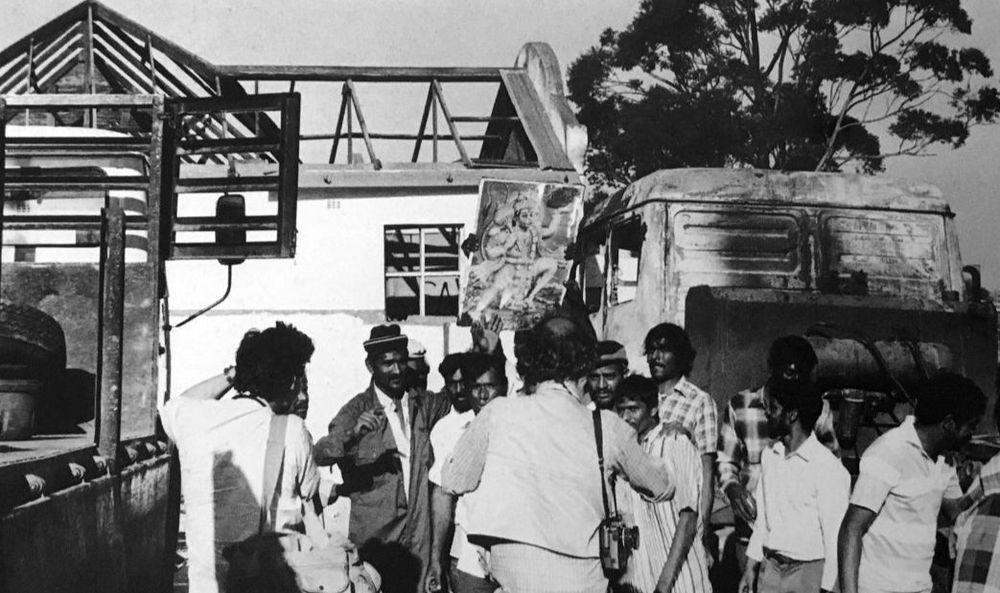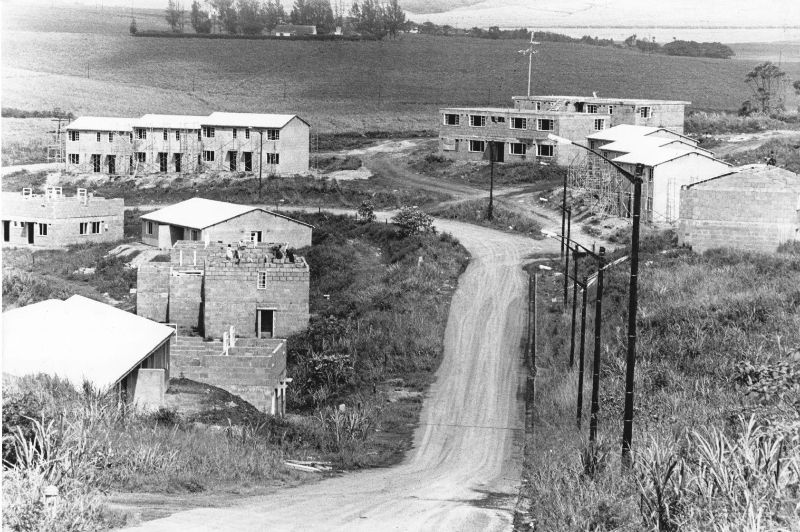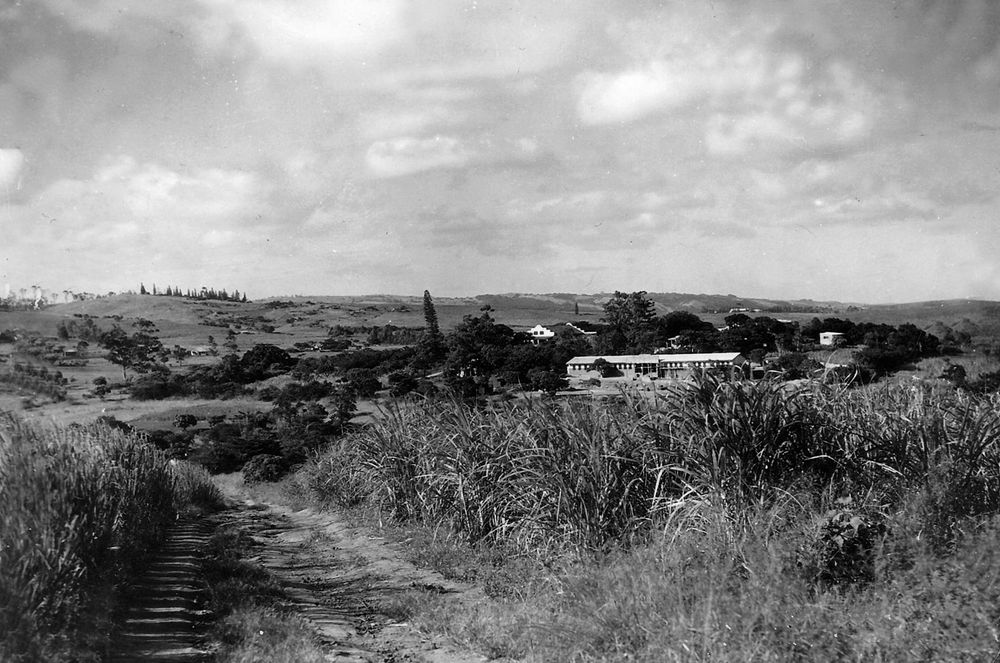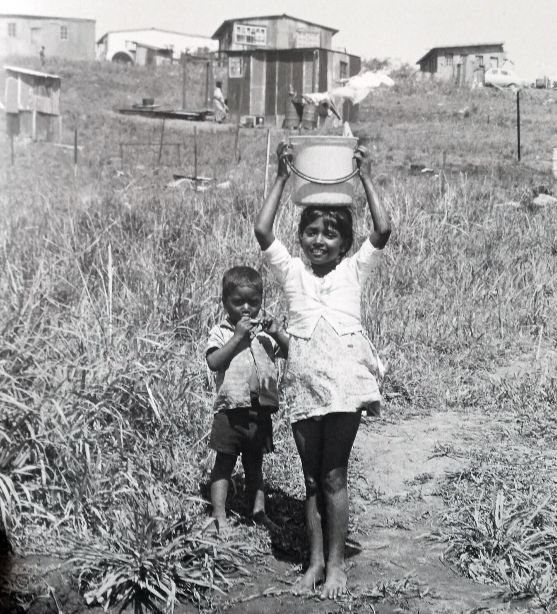
New Farm, Phoenix, 1980s.
FIFTY years ago, Phoenix township was not born of choice, but of compulsion. It rose from the cold calculations of apartheid’s Group Areas Act, a law that uprooted settled Indian families from Durban’s inner suburbs, and cast them into state planned “buffer zones”.
But what began as a ghetto housing scheme on sugar cane lands north of Durban has, through resilience and community spirit, metamorphosed into a proud monument to survival, adaptation, and dignity.g
But we must not forget that Phoenix bears the scars of the wounds of forced removals. The Durban Municipality, acting under apartheid legislation, evicted Indian families from settled places like Cato Manor, Seaview, Rossburgh, Overport, Sydenham, Springfield, Magazine Barracks, and Riverside. First, they were herded into Chatsworth in the south, and later into Phoenix in the north.
Previously, Indians in Durban lived in scattered pockets beyond the city’s municipal boundary, their lives shaped by the legacy of indenture and the rhythms of agriculture. But by the early 1920s, six decades after the first indentured labourers had arrived, the tide began to turn.