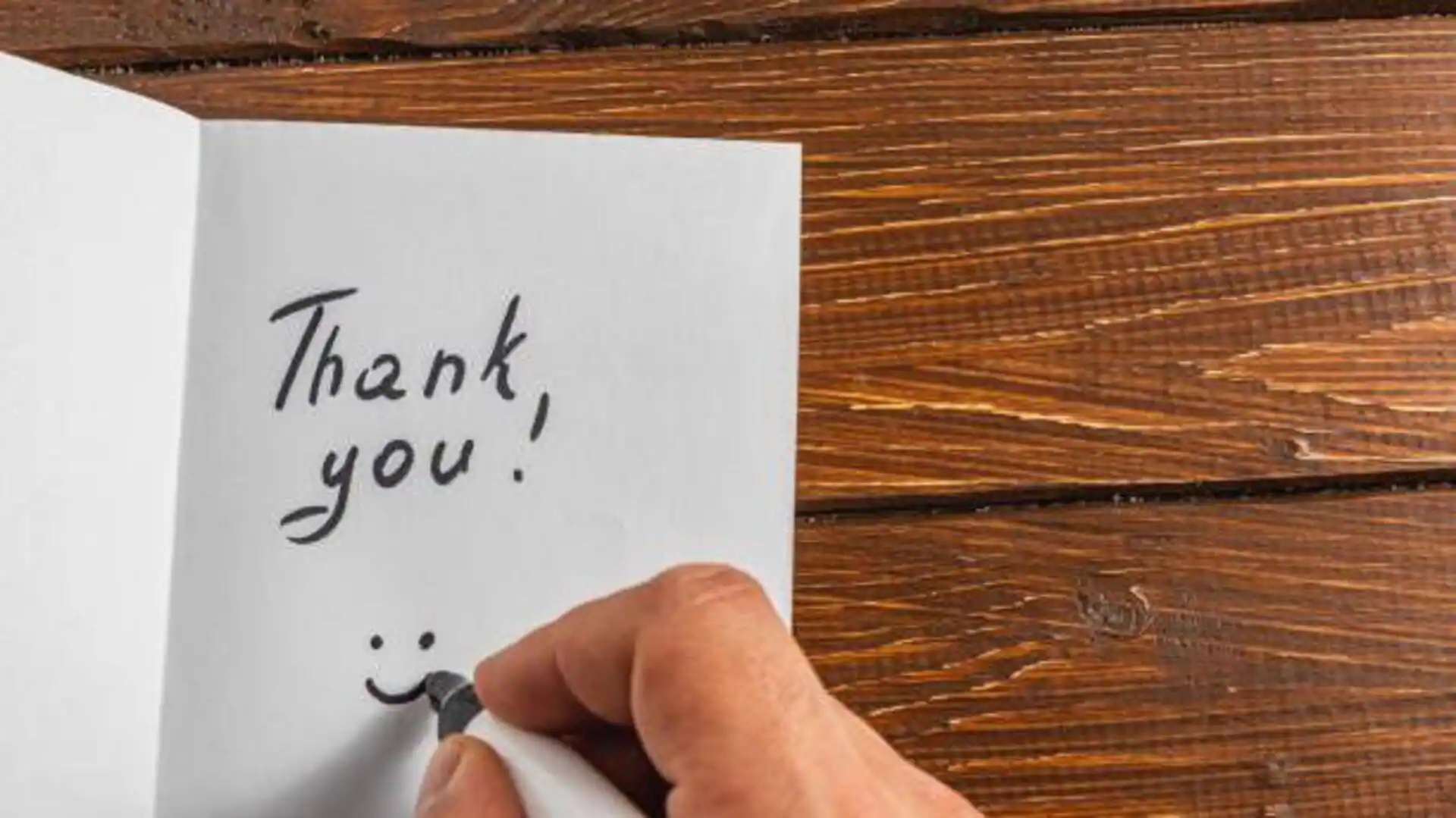
In this rapid and ever-developing digital era, gratitude comes very fast as well. A brief text, emoji response, or a quick "thank you" in meetings has become common practice in many organizations and interpersonal relationships. Thus, late thank-you notes might seem quite strange nowadays.A handwritten note or an email expressed much later after one received assistance might even be perceived by other people as too formal, awkward, or simply unnecessary. However, psychological experts consider that the main factor might not be the timing of this expression. Recent research shows that sometimes a delay could give some emotional depth to the experience of gratitude since a person can think about that event.In other words, the expression of gratefulness made much later still contributes to the improvement of relations due to the fact that a person considered the situation emotionally significant enough even after some time.The reason why written gratitude differs from spokenFor a long period of time, researchers have been studying gratefulness because of its deep link with emotional and social factors. A crucial discovery here is that the written expression of gratitude sounds more definite than the spoken one. A review of gratitude interventions conducted by Clinical Psychology Review shows that engaging in gratitude practices, such as writing gratitude letters, resulted in enhanced well-being and higher levels of positive affect.Since written messages differ from verbal ones with regard to their psychological impact, it becomes evident that they allow for the continuation of reflection. After all, unlike a verbal thank you message, written words can be reread and even kept. It makes the impact of gratitude distinct. Therefore, a delayed note might actually be meaningful just because the writer of such an expression of gratitude went back to think about the event instead of forgetting it.The importance of saying thank you psychologicallyMultiple studies have shown that gratitude influences people not only as a sign of politeness but also contributes to one's subjective perception of value in relations and at work. For example, it was revealed through the field experiment that expressing appreciation could make employees more productive since it would influence their perceived social worth. This idea explains why the delayed thank-you messages matter.It signals that the act was recognized by the recipient in both mind and emotions, even long after its completion. Gratitude has been described by psychologists as a form of relationship maintenance, allowing people to know that their behaviors made an impact on someone else.Why some people still send thank-you notes weeks later? Image credit - WikimediaReasons for delayed appreciationEmotions often become more clear once people have time to think about what happened to them. During the experience, a person could have felt rushed, unfocused, or simply unable to properly express what they were feeling. Only later do they see what the other person has done for them.According to psychologists, gratitude becomes more intense during the reflective phase because memory helps provide the appropriate emotions that may be missing at the time of the event. However, this does not mean that delayed gratitude is inherently superior. Researchers are very careful when implying that being late is somehow better. Nonetheless, research suggests that even a little time allows gratitude to hold significant emotional weight. This means that a letter sent weeks later is likely written with full intentionality.Reasons why written notes feel more personalAnother finding indicates that writing your gratitude message could be more emotionally engaging compared to typing one. Indeed, a study of the impact of gratitude letters showed that there were noticeable emotional and physiological changes due to the process of writing letters. According to psychologists, written notes involve slower emotional processing, which means that both participants reflect on the experience of their interaction longer.This may explain why handwritten notes remain personal even though most business settings include instant messaging. Moreover, writing is a sign of making an effort, and a delayed thank-you note means that the sender thought about their interaction and remembered how much they appreciated it.Impact of gratitude on businessesGratitude may also affect the entire workplace, according to business experts. Several studies conducted on the issue show that thank-you messages lead to fewer irritations, improved cooperation, and increased motivation during stress.In other words, thank-you notes may be effective not only as emotional messages but as something that can improve professional relationships and make people feel valued. In such work environments, even delayed praise can help enhance the quality of future conversations.Why timing does not define everythingAccording to psychologists, the culture of today demands that appreciation be given on the spot to qualify as real gratitude. However, it looks like things can be more flexible than that. In the case of expressing appreciation, what counts is not its timeliness but its authenticity, thoughtfulness, and specificity.This is one reason why people still appreciate getting those late thank-you cards. Their meaning is quite clear: "I still remember what you have done for me." Studies indicate that appreciation of any form can play an important role in bonding relationships because of how good it makes us feel about being recognized as valuable.
Psychology suggests people who write thank-you notes weeks later aren't being formal - they're preserving gratitude after the moment passes, because appreciation often grows when it is expressed
Late thank-you notes offer a deeper emotional resonance, allowing recipients to reflect on the significance of an act. While instant digital gratitude is common, delayed written expressions signal genuine thoughtfulness and a lasting impact on relationships, even in professional settings. Authenticity and specificity, rather than immediate timing, define true appreciation.
TL;DRAI
Delayed thank-you notes carry deeper emotional weight than immediate ones: psychology research shows gratitude intensifies during reflection, not at the moment of the act. For managers, written appreciation — even belated — measurably improves team motivation and perceived social worth, a zero-cost lever for retention and collaboration.
844 words~4 min read