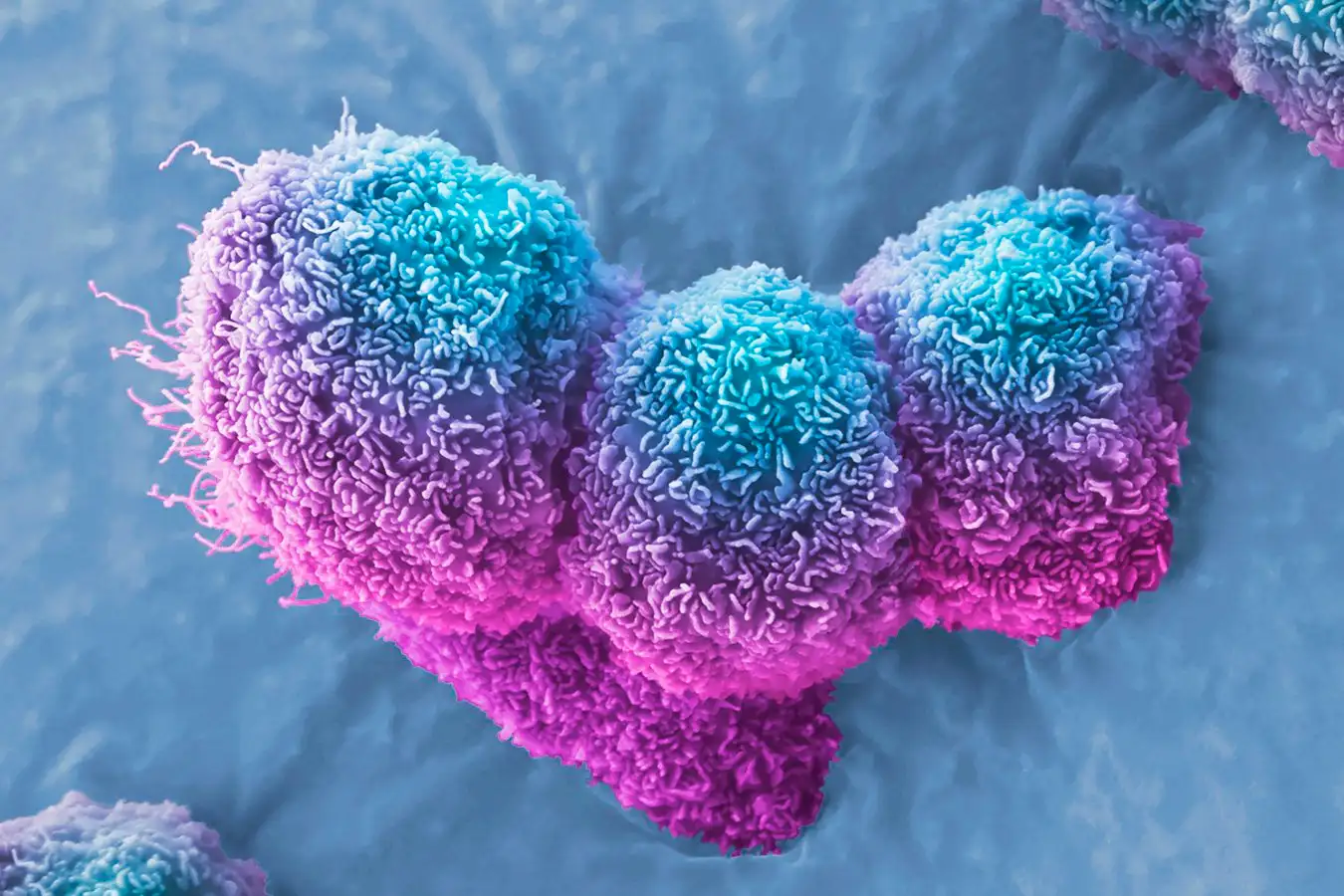
A scanning electron micrograph of pancreatic cancer cellsANNE WESTON, EM STP, THE FRANCIS CRICK INSTITUTE/SCIENCE PHOTO LIBRARY
A virus has stopped pancreatic cancer in its tracks in three people in a clinical trial in the US. Further evaluation is needed in larger trials, but the early results are encouraging, especially since only small doses of the virus were administered for initial safety testing.
“We only injected one-tenth of the dose we are eventually aiming at, so the efficacy is better than I expected, especially as this is pancreatic cancer,” says Masato Yamamoto at the University of Minnesota, who led the development of the viral treatment.
Pancreatic cancer is notorious for being the deadliest type of the condition. One reason is that symptoms tend to appear late, when the cancer has already spread and cannot be surgically removed. Once diagnosed, people usually live only around three to six months.
Another reason is that pancreatic tumours have tough, fibrous interiors that block chemotherapy drugs from getting in. “They’re hard as hockey pucks,” says Yamamoto. Immunotherapies that boost immune activity against cancer are also ineffective, because pancreatic tumours can hide from the immune system.