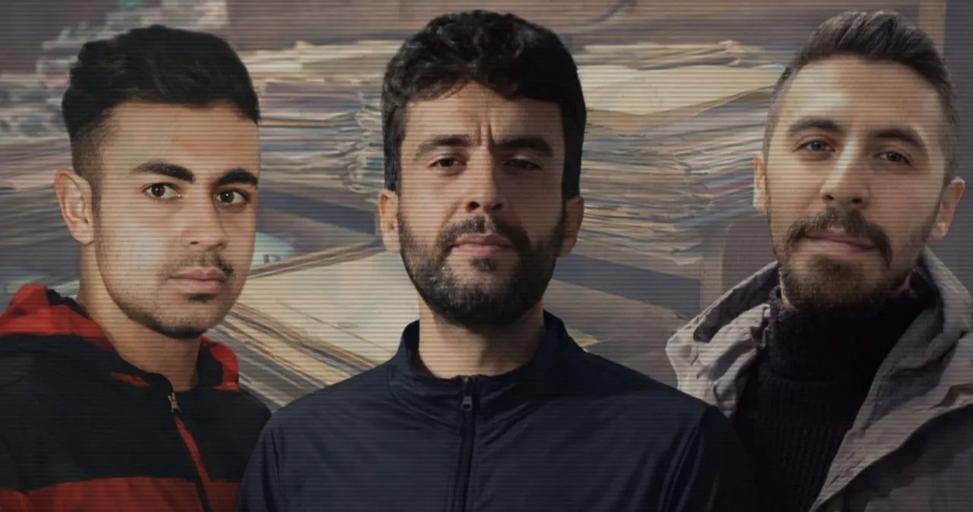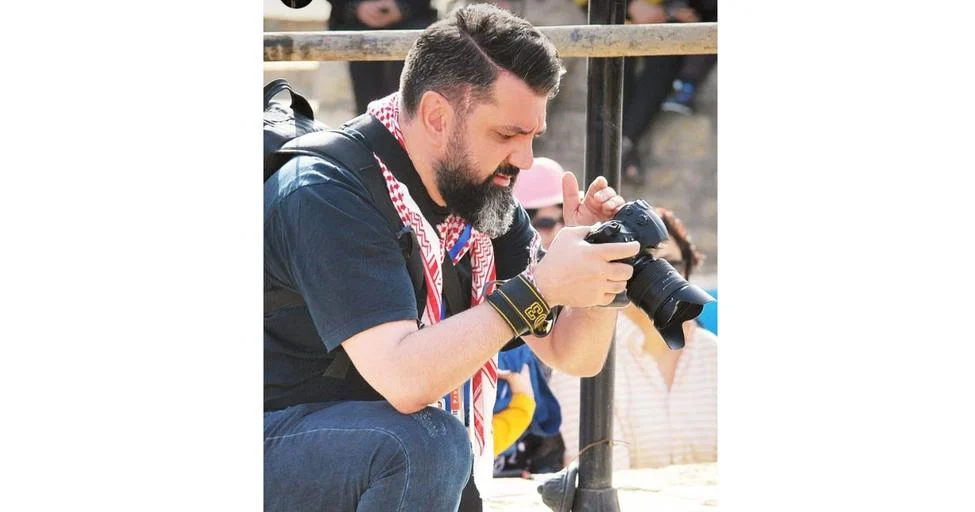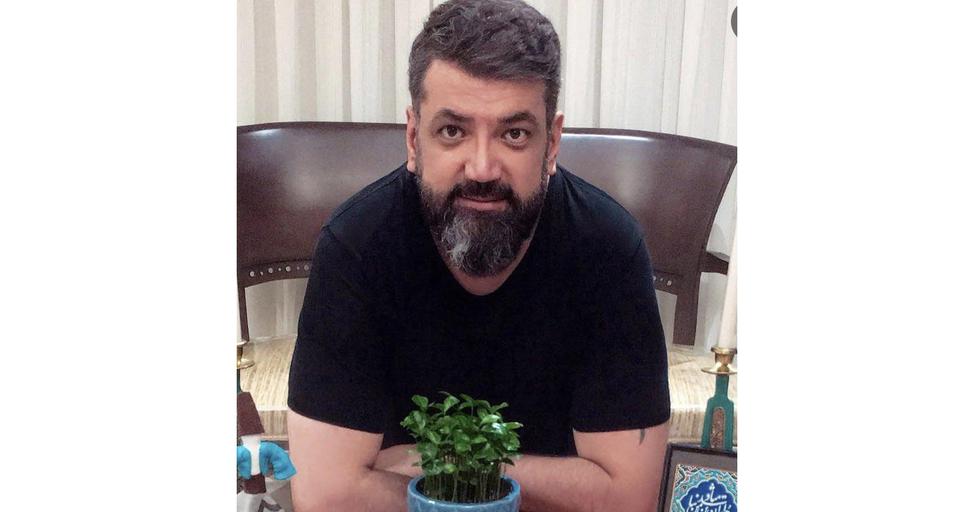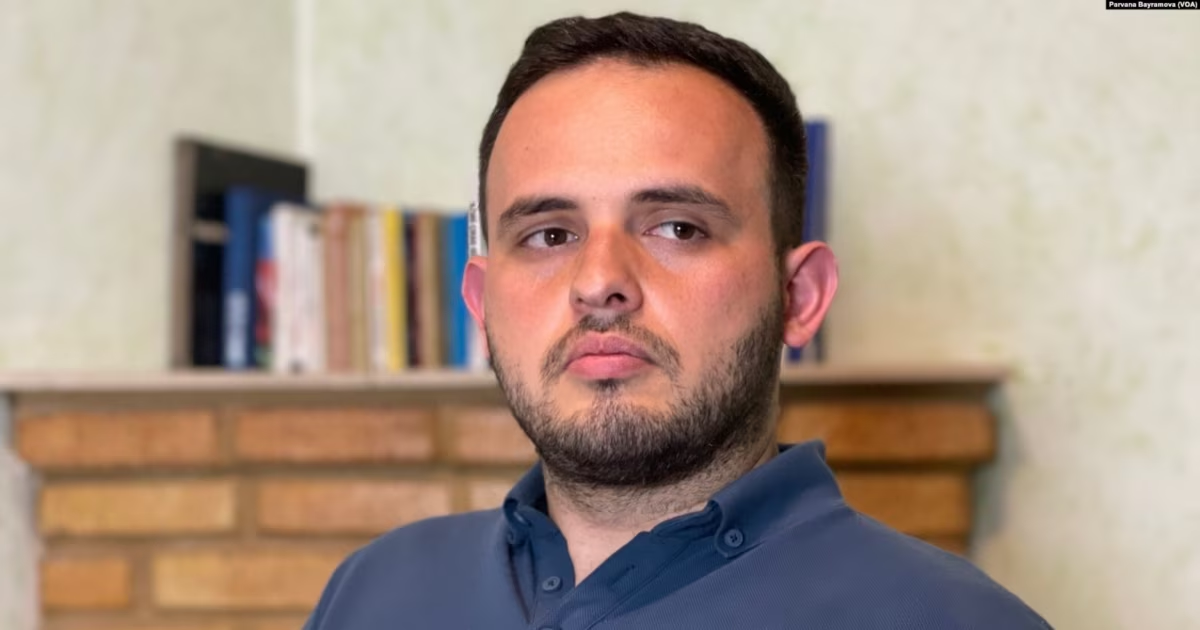
Farid Mehralizada, an economist and journalist for RFE/RL’s Azerbaijani Service, has been unjustly detained in Azerbaijan since May 30, 2024.He was sentenced to nine years in prison on charges of “illegal entrepreneurship, money laundering, tax evasion, and document forgery.” Human rights activists and journalism advocacy groups say the charges are trumped-up and due to Mehralizada's work. On the second anniversary of his imprisonment, Mehralizada reflects on life behind bars, the humanity of the prison economy, and the AI photo of him with the daughter he has barely seen. Read more about Mehralizada imprisonment.1) What Is The Main Memory That Keeps You Going?My daughter was born a few months after I was imprisoned. We have only been able to see each other during prison visits, but never for long enough. That is why we still don’t have a real photograph together. Some time ago, my friends created a photo of us together using artificial intelligence and gave it to me as a gift. When I held it, I felt the full weight of every precious memory I missed: first steps, birthdays, holidays at home. The photo looked so realistic that, at first glance, it was deeply moving. But however impressive it may be at first glance, technology cannot replace human touch. It cannot replace being there. Reuniting with my loved ones is my greatest motivation. The real version of that photograph is what I’m waiting for.2) What Has Prison Taught You About Azerbaijan?Prison gave me the opportunity to meet people with whom I would probably never have shared the same environment in ordinary life. Living for a long time with people from different social groups and with different ideological views allows you to see Azerbaijan from another perspective. There, you realize that there are actually many different visions of “Azerbaijan.” Every social group imagines its country differently. Another reality prison revealed to me is that religion occupies a stronger place in society than we often assume. In freedom, this influence is not always visible in daily political processes. But in a closed environment, it becomes much clearer that religion serves for people both as moral support and as a form of social relationship.
Imprisoned RFE/RL Journalist Farid Mehralizada Shares Reflections From Azerbaijani Prison On Second Anniversary Of Detention
On the second anniversary of his imprisonment, Farid Mehralizada reflects on life behind bars, the humanity of the prison economy, and the AI photo of him with the daughter he has barely seen.
1,239 words~6 min read