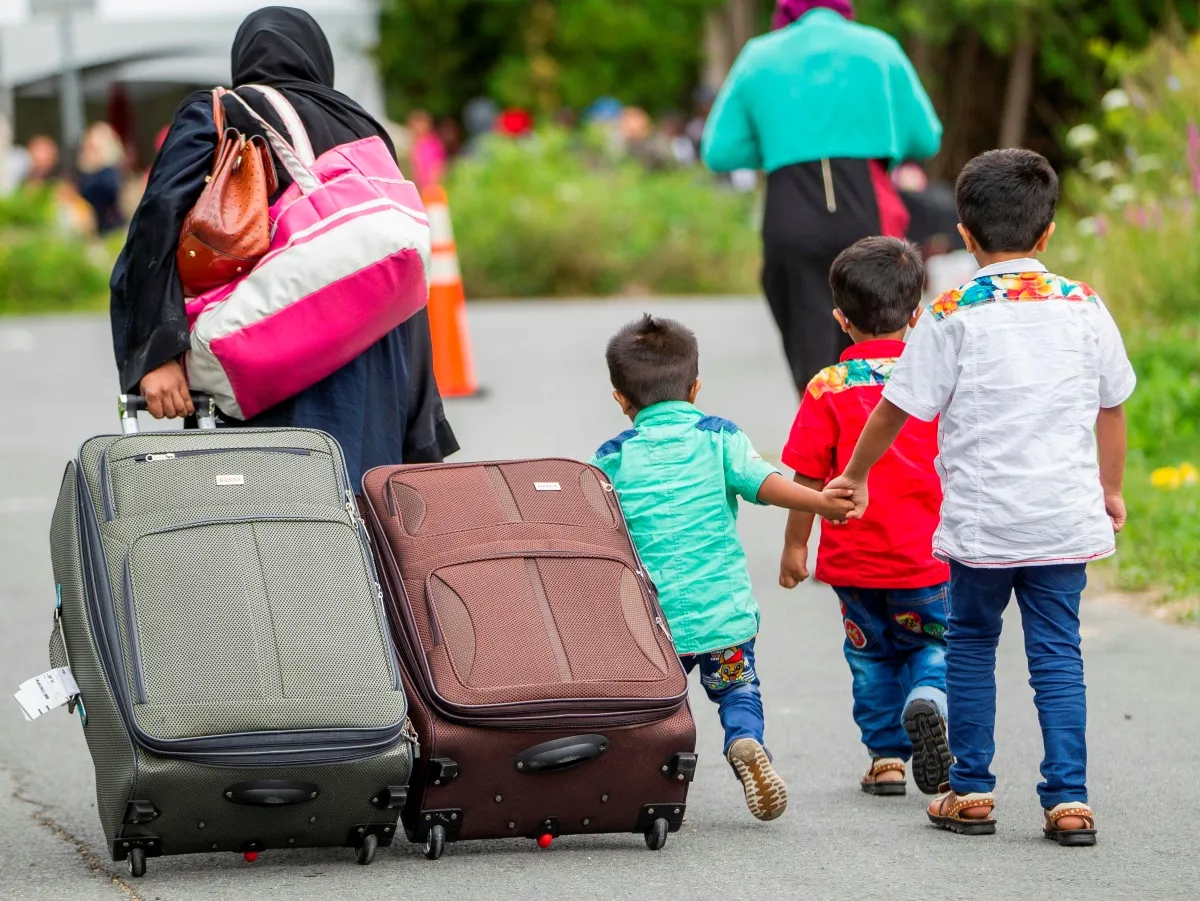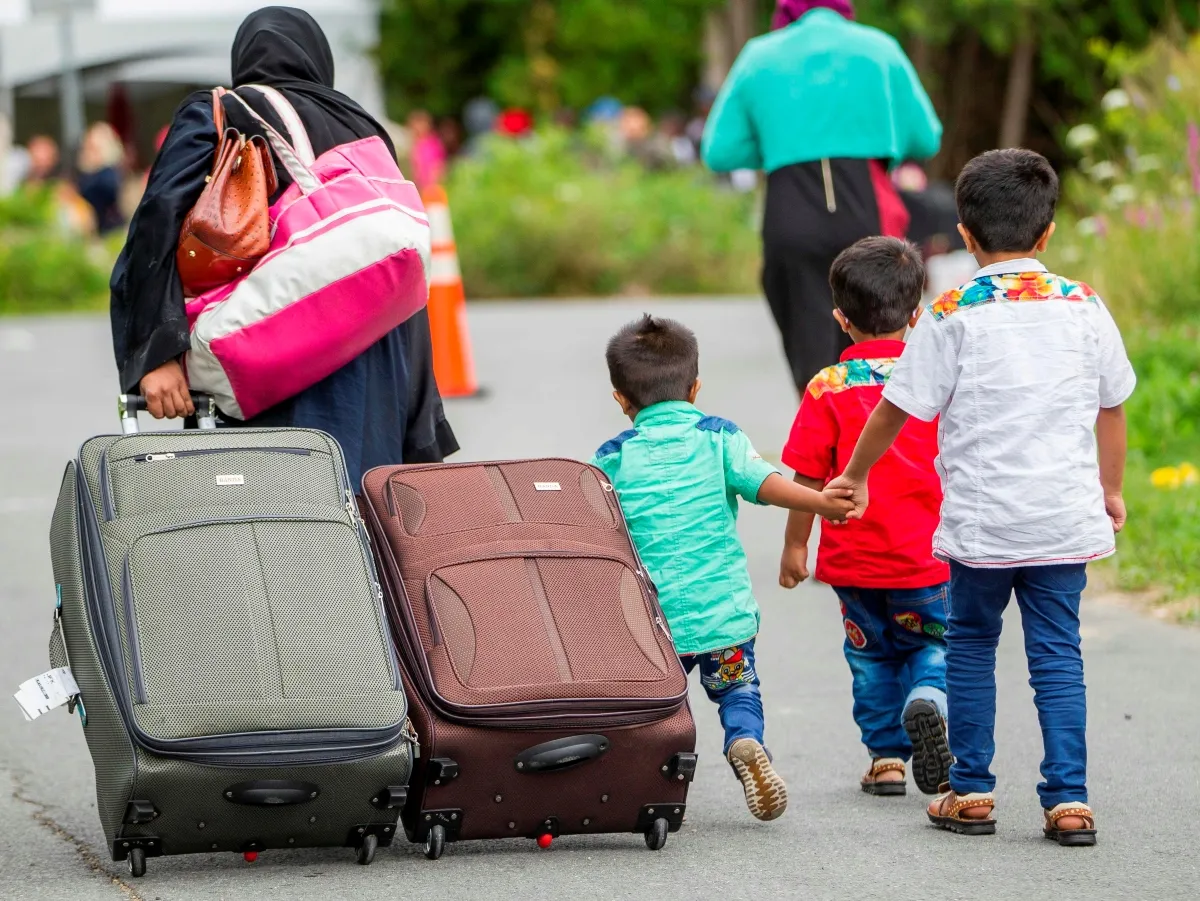
Skip to Content Subscribe Our Offers My Account Manage My Subscriptions FAQ Newsletters Canada Canadian True Crime Canadian Politics Health World Israel & Middle East Financial Post NP Comment Longreads Puzzmo Diversions Comics NP News Quiz New York Times Crossword Horoscopes Life Eating & Drinking Style Sponsored Play for Ontario Travel Travel Canada Travel USA Travel International Cruises Travel Essentials Culture Books Celebrity Movies Music Theatre Television Business Essentials Advice Lives Told Tails Told Shopping Buy Canadian Home Living Outdoor Living Tech Style & Beauty Kitchen & Dining Personal Care Entertainment & Hobbies Gift Guide Travel Guide Deals Savings National Post Store More Sports Hockey Baseball Basketball Football Soccer Golf Tennis Driving Vehicle Research Reviews News Gear Guide Obituaries Place an Obituary Place an In Memoriam Classifieds Place an Ad Celebrations Working Business Ads Archives Healthing Epaper Manage Print Subscription Profile Settings My Subscriptions Saved Articles My Offers Newsletters Customer Service FAQ Newsletters Canada World Financial Post NP Comment Longreads Puzzmo Diversions Life Shopping Epaper Manage Print Subscription HomeNP CommentJamie Sarkonak: All-inclusive migrant health plan will burden Canada for years to comeNew co-pay fees will do little to offset growing costs of the program, which can be used even by rejected asylum seekersLast updated 33 minutes ago You can save this article by registering for free here. Or sign-in if you have an account.Asylum seekers walk along Roxham Road near Champlain, New York on August 6, 2017, making their way towards the Canada/US border. In recent days the number of people illegally crossing the border has grown into the hundreds. Photo by GEOFF ROBINS/AFP/Getty ImagesThere are thousands of asylum seekers and illegal residents awaiting deportation who get more free health care than regular Canadian citizens. These all-inclusive care packages cost the public treasury $1 billion last year — and a recent attempt by the feds to bring it under control won’t help much, based on a Parliamentary Budget Officer report released Tuesday.Enjoy the latest local, national and international news.Exclusive articles by Conrad Black, Barbara Kay and others. Plus, special edition NP Platformed and First Reading newsletters and virtual events.Unlimited online access to National Post.National Post ePaper, an electronic replica of the print edition to view on any device, share and comment on.Daily puzzles including the New York Times Crossword.Support local journalism.Enjoy the latest local, national and international news.Exclusive articles by Conrad Black, Barbara Kay and others. Plus, special edition NP Platformed and First Reading newsletters and virtual events.Unlimited online access to National Post.National Post ePaper, an electronic replica of the print edition to view on any device, share and comment on.Daily puzzles including the New York Times Crossword.Support local journalism.Create an account or sign in to continue with your reading experience.Access articles from across Canada with one account.Share your thoughts and join the conversation in the comments.Enjoy additional articles per month.Get email updates from your favourite authors.Create an account or sign in to continue with your reading experience.Access articles from across Canada with one accountShare your thoughts and join the conversation in the commentsEnjoy additional articles per monthGet email updates from your favourite authorsSign In or Create an AccountorKnown as the Interim Federal Health Program (IFHP), this freebie service provides the following to asylum seekers and rejects: hospital care, free doctor visits, free lab work, free ambulance trips. Before May 1, it also provided free medicine, and free “supplemental coverage”: vision and dental care, counselling, physiotherapy, speech language therapy, home care, medical supplies, etc. Earlier this month, the feds began requiring program users to pay a very modest $4 fee for prescriptions, and a 30 per cent co-pay for supplemental services.This newsletter from NP Comment tackles the topics you care about. (Subscriber-exclusive edition on Fridays)By signing up you consent to receive the above newsletter from Postmedia Network Inc.We encountered an issue signing you up. Please try againThe small fees were added to reduce the cost of the program, which was estimated to be $1 billion in 2025-26 by the PBO in February. In 2029-30, without the addition of user fees, that number was expected to rise to $1.5 billion.This week’s PBO report accounted for the new fees, and, well, it’s not impressive. The IFHP is only expected to reduce the program cost by $162 million this year. By 2029, it’s expected that this reduction will reach $217 million (or $220 million, if you take into account the impact of Bill C-12, which put minor limits on who can claim asylum) — that means the cost of providing health care to unvetted migrants and asylum rejects will be about $1.3 billion, far higher than should be tolerable.Part of this comes down to the sheer volume of people coming to Canada to seek asylum:“While these savings are material, they do not offset the broader cost pressures driven by elevated volumes of new claimants,” notes the PBO report. “These pressures are compounded by longer durations of IFHP eligibility due to persistent backlogs, rising overall average per-beneficiary spending and health-care costs.”The longer an asylum seeker has to wait for their claim to be assessed, the more time they can take advantage of comprehensive, taxpayer-funded health care. The more asylum seekers there are, the longer the wait. The more appeals and deportation threat assessments asylum seekers make when they’re rejected, the less capacity there will be in the system to deal with them all. It doesn’t help that immigration authorities keep finding new ways to let deportation candidates stay in Canada for longer.There are so many claims in the queue right now that they will “continue driving costs” even if the number of new asylum claimants is reduced, adds the PBO.The costs don’t truly go away until asylum seekers are removed from Canada. Those who are accepted will continue to receive under their respective provincial programs, and those who are rejected continue to be eligible for the all-inclusive package.Only a fraction of the “removals inventory” — the asylum rejects that are supposed to be escorted out of the country — is deported each year. In 2025, that inventory had nearly 74,000 people, but only 20,000 were removed.In 2025, 28,000 asylum rejects were listed as “wanted,” meaning they stopped showing up to removal proceedings. Some 23,000 had removals “in progress” (under appeal or undergoing threat assessment). Another 23,000 remained because their removal was listed as not possible. Canada simply doesn’t deport people if their home countries refuse to take them back, or if there are no flights home, among other reasons.“Failed claimants in the removals in progress and wanted inventory may continue to be eligible for IFHP coverage until their departure from Canada,” states the report.It’s clear from the PBO’s analysis that the IFHP’s new fees won’t do much to help Canadians. This means we’ll continue to feel the consequences: health care capacity will continue to be strained, and we’re still going to be on the hook for the health care of anyone with a pulse who managed to fill out an asylum claim form, even those who’ve been rejected.What really needs to happen is a complete overhaul of the asylum system. Right now, it’s an immigration pathway for the world’s destitute, a luxury health-care resort for the developing world where you can get your teeth fixed for free. The incentives need to be removed, entire categories of claims need to be mass-denied, and asylum eligibility needs to be narrowed to the point where only a small number can apply each year.National Post Get the latest from Jamie Sarkonak straight to your inbox Join the Conversation This website uses cookies to personalize your content (including ads), and allows us to analyze our traffic. Read more about cookies here. By continuing to use our site, you agree to our Terms of Use and Privacy Policy.
Jamie Sarkonak: All-inclusive migrant health plan will burden Canada for years to come
New co-pay fees will do little to offset growing costs of the program, which can be used even by rejected asylum seekers
1,288 words~6 min read