Skip to Content Subscribe Our Offers My Account Manage My Subscriptions FAQ Newsletters Canada Canadian True Crime Canadian Politics Health World Israel & Middle East Financial Post NP Comment Longreads Puzzmo Diversions Comics NP News Quiz New York Times Crossword Horoscopes Life Eating & Drinking Style Sponsored Play for Ontario Travel Travel Canada Travel USA Travel International Cruises Travel Essentials Culture Books Celebrity Movies Music Theatre Television Business Essentials Advice Lives Told Tails Told Shopping Buy Canadian Home Living Outdoor Living Tech Style & Beauty Kitchen & Dining Personal Care Entertainment & Hobbies Gift Guide Travel Guide Deals Savings National Post Store More Sports Hockey Baseball Basketball Football Soccer Golf Tennis Driving Vehicle Research Reviews News Gear Guide Obituaries Place an Obituary Place an In Memoriam Classifieds Place an Ad Celebrations Working Business Ads Archives Healthing Epaper Manage Print Subscription Profile Settings My Subscriptions Saved Articles My Offers Newsletters Customer Service FAQ Newsletters Canada World Financial Post NP Comment Longreads Puzzmo Diversions Life Shopping Epaper Manage Print Subscription HomeNewsCanadaCanada spent $722M on health care for asylum seekers in 2024-25: PBOParliamentary Budget Office report finds 74,000 'failed claimants' still receiving full benefits of temporary federal healthcare program, a third of who wanted on removal orders You can save this article by registering for free here. Or sign-in if you have an account.Canada spent over $722 million on health care for asylum seekers in the last fiscal year as refugee backlogs and failed clamed drove costs. Photo by Getty ImagesCanada spent more than $722 million providing extensive health care to tens of thousands of asylum seekers in the last fiscal year, including a considerable portion on “failed refugee claimants” who are either languishing in the system or avoiding removal orders, according to a new report from the Parliamentary Budget Office.Enjoy the latest local, national and international news.Exclusive articles by Conrad Black, Barbara Kay and others. Plus, special edition NP Platformed and First Reading newsletters and virtual events.Unlimited online access to National Post.National Post ePaper, an electronic replica of the print edition to view on any device, share and comment on.Daily puzzles including the New York Times Crossword.Support local journalism.Enjoy the latest local, national and international news.Exclusive articles by Conrad Black, Barbara Kay and others. Plus, special edition NP Platformed and First Reading newsletters and virtual events.Unlimited online access to National Post.National Post ePaper, an electronic replica of the print edition to view on any device, share and comment on.Daily puzzles including the New York Times Crossword.Support local journalism.Create an account or sign in to continue with your reading experience.Access articles from across Canada with one account.Share your thoughts and join the conversation in the comments.Enjoy additional articles per month.Get email updates from your favourite authors.Create an account or sign in to continue with your reading experience.Access articles from across Canada with one accountShare your thoughts and join the conversation in the commentsEnjoy additional articles per monthGet email updates from your favourite authorsSign In or Create an AccountorThe review of the Interim Federal Health Program (IFHP) also found that its costs continue to climb because of “backlogs” in Canada’s asylum system that keep claimants waiting, in some cases for up to three years.The IFHP was created to provide limited and temporary health-care coverage to foreign nationals deemed vulnerable and disadvantaged.Get a dash of perspective along with the trending news of the day in a very readable format.By signing up you consent to receive the above newsletter from Postmedia Network Inc.A welcome email is on its way. If you don't see it, please check your junk folder.The next issue of NP Posted will soon be in your inbox.We encountered an issue signing you up. Please try againConservative health critic Dan Mazier and immigration critic Michelle Rempel Garner said the report shows that the Liberals’ temporary program “has turned into a multi-year, taxpayer-funded entitlement where tens of thousands of bogus asylum claimants are provided health benefits that Canadians are not eligible for.“The Liberals must explain to Canadians why asylum seekers who have had their refugee claims rejected, are facing enforceable removal orders, and in some cases fail to appear for removal, continue to receive deluxe, taxpayer-funded health benefits while they avoid leaving Canada,” they said in a statement. Conservative Member of Parliament Michelle Rempel Garner speaks to journalists in the House of Commons foyer before Questions Period on Parliament Hill in February 25. Photo by Blair Gable/Postmedia/FileThe total spending across all health-care categories and beneficiary groups for 2024-25 was closer to $822 million when resettled refugees are accounted for. Unlike those seeking asylum, they “are selected and assessed abroad, with admission targets set in the Government’s Immigration Levels Plan, resulting in relatively predictable intake and processing timelines.”The PBO noted that whereas asylum seekers claimed an average of $724 per beneficiary per year on basic care — doctor visits, hospital care, ambulances, labs, diagnostic testing and immigration medical examinations — resettled refugees averaged $97. They’re also typically off IFHP within three months and no longer than a year.Per-person spending on basic care has increased consistently, PBO found, but spending on supplementary health products and services — urgent dental treatment, prescription drug coverage, vision care, counselling services, assistive devices and others — has grown at a much faster rate.In 2019-20, Canada spent $94 million on supplementary benefits across all groups. By 2023-24, expenses nearly tripled to $285 million and they reached $457 million in 2024-25.Two categories in particular accounted for 80 per cent of the spending: prescription drugs and urgent dental care. The latter represents 56 per cent of program expenses.According to PBO, the number of dental claims exploded by 43 per cent between 2019 and 2025 (240,000 to 1.4 million). Combined with a higher average cost per claim, it drove dental costs from $30 million to $257 million over that time.PBO also found that spending on counselling services increased from less than one per cent of total supplementary spending in 2016 to 11 per cent in 2025. In 2024-25, the bill came in at $38.7 million.“These are benefits that Canadians who have paid into the system their entire lives can’t access,” Mazier said on X.BREAKINGThe Parliamentary Budget Officer has revealed that nearly 74,000 REJECTED asylum claimants are entitled to deluxe health benefits through the Interim Federal Health Program (IFHP).Deluxe supplemental health benefits like vision care, home care, and physiotherapy now… pic.twitter.com/Sq9wMDNABx— Dan Mazier (@DanMazierMP) May 26, 2026And while those rising expenses are increasing the overall cost of the IFHP, “elevated intakes” and the resulting “persistent backlogs” are also major drivers.Officials who managed 64,150 asylum claims in 2019 had more than 173,000 in 2024. In line with the new Liberal government’s immigration policies, that number decreased to just over 100,000 in 2025.“As of December 2025, over 300,000 asylum claims were pending adjudication and roughly 65 per cent of these pending claims have been in the system for longer than a year,” PBO wrote.“This represents a five-fold increase since 2021 and is anticipated to increase in the near-term due to an influx of claims made between 2023 and 2025.”At present, almost half (47 per cent) of the claimants have been in the system between one and two years, but the PBO estimates that the number waiting between two and three years “will notably rise by 2026-27, reflecting elevated past intake and constrained exit rates.”And considering the backlog, PBO calculates that each additional month in processing time could drive the program costs up by $72 million in the upcoming fiscal year.To attain asylum refugee status in Canada, applicants must pass through several layers of review and have several avenues to appeal if rejected. For instance, 79 per cent of claimants rejected by the Immigration Refugee Board filed at least one appeal, during which time they are still eligible for IFHP.So, too, are the “nearly 74,000 failed refugee claimants” among the CBSA’s removals inventory, which consists of 23,429 people whose removals are in process and 27,797 who failed to show up for removal and are being sought by border authorities.“It is undeniable that as the backlog grows, rejected asylum claimants continue adding pressure to a health care system where Canadians are already facing long wait times for care,” Mazier wrote on X. Conservative MP Dan Mazier speaks during a press conference at the foyer of the House of Commons at the West Block on Parliament Hill in Ottawa on Tuesday, May 26, 2026. Photo by HYUNGCHEOL PARK /PostmediaIt should be noted that CBSA removals have increased, climbing from 5,714 in 2021 to 19,579 last year.With IFHP beneficiaries required as of May 1 “to contribute a fixed-fee per prescription and a percentage of the cost of supplemental services,” the PBO predicts savings of $217 million annually by 2029-30.Under the co-pay, asylum seekers and resettled refugees now have to pay $4 for each eligible prescription and 30 per cent of the cost of all other eligible supplemental health products and services.The PBO also highlighted Bill C-12, which, if enacted, will reduce the number of claimants eligible for IFHP coverage and shorten the duration of benefits and also alter “intake and processing timelines.“Taken together, these changes may reduce the number of individuals eligible for IFHP coverage, shorten the period during which benefits are provided, and shift when and how claimants access the program.”In their statement, Mazier and Rempel Garner said the collection of co-pay fees “isn’t likely to happen” and that experts suggest C-12 could be “challenged in court.”Our website is the place for the latest breaking news, exclusive scoops, longreads and provocative commentary. Please bookmark nationalpost.com and sign up for our newsletters here. Join the Conversation This website uses cookies to personalize your content (including ads), and allows us to analyze our traffic. Read more about cookies here. By continuing to use our site, you agree to our Terms of Use and Privacy Policy.
Canada spent $722M on health care for asylum seekers in 2024-25: PBO
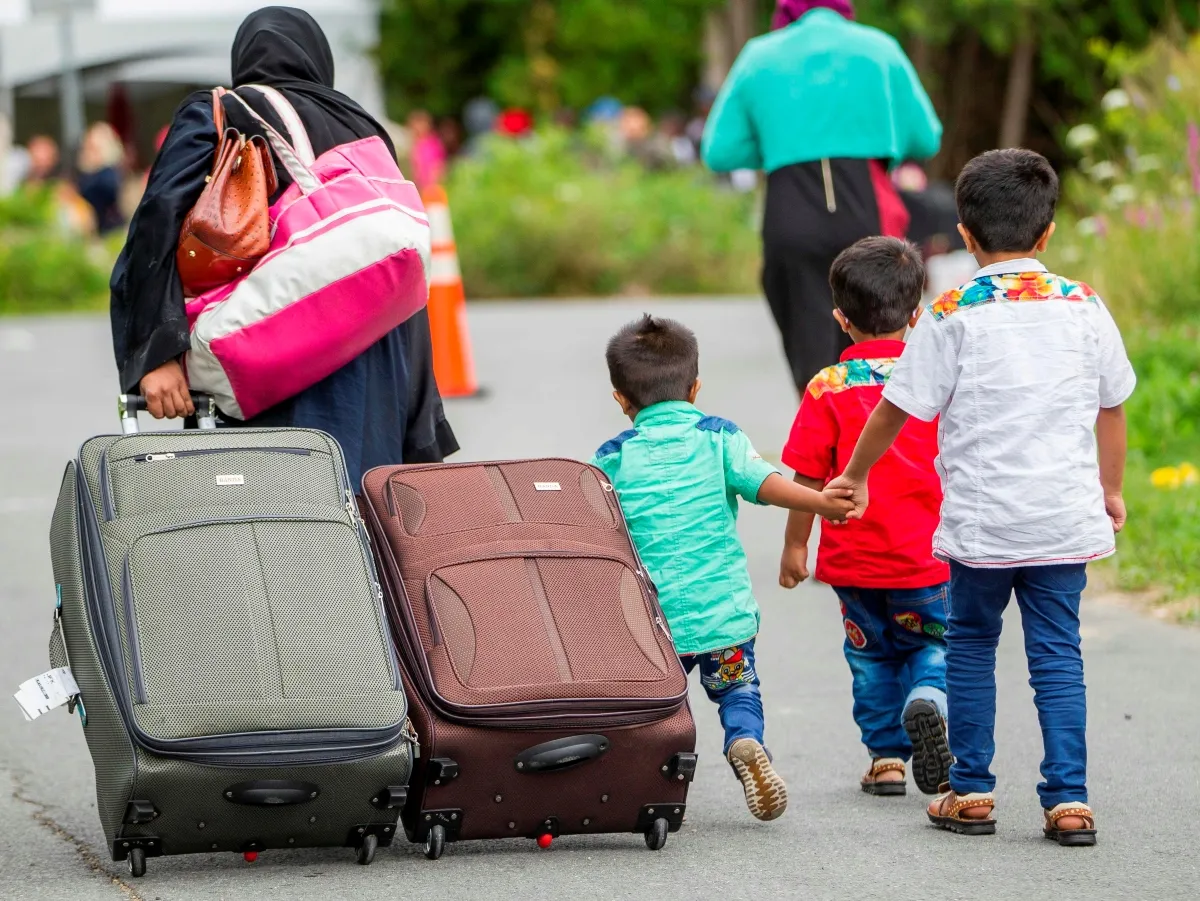
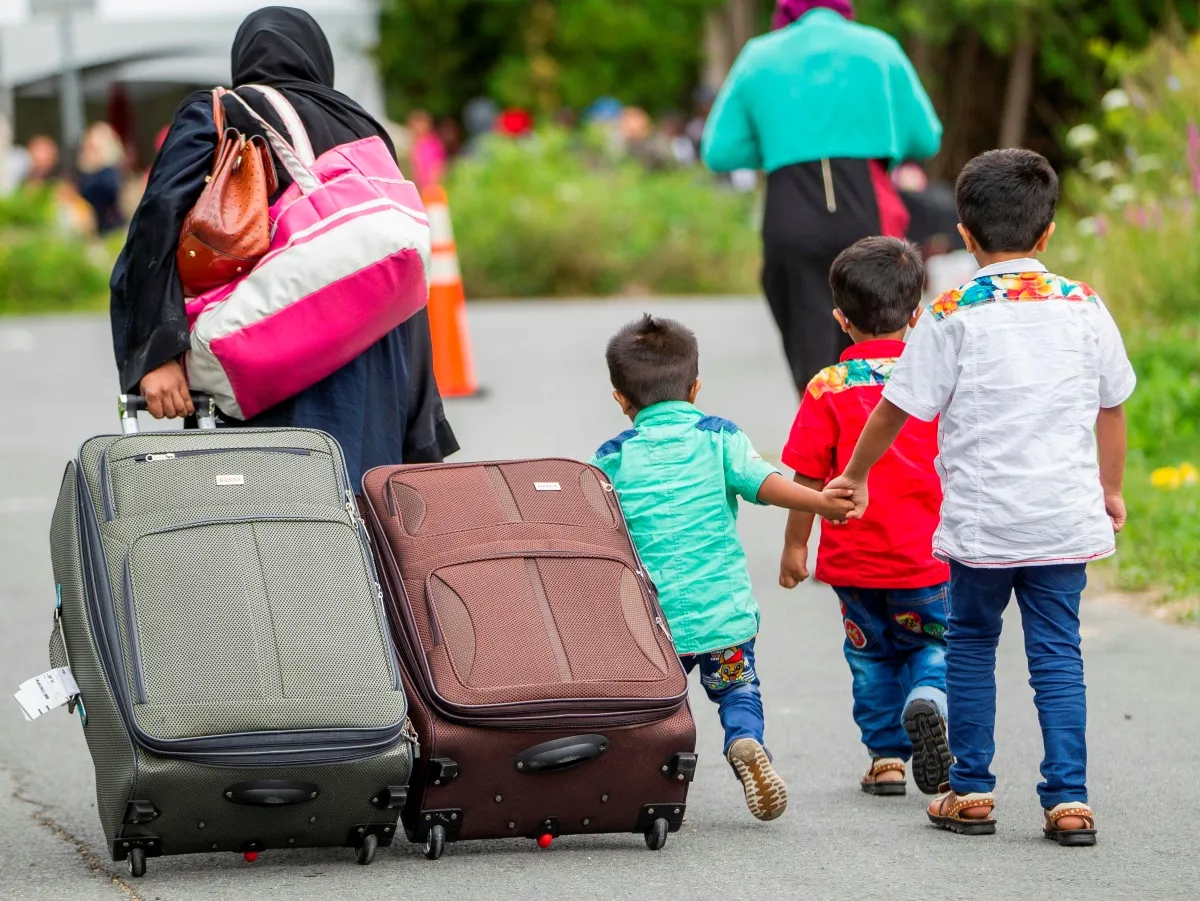
Canada spent over $722 million on health care for asylum seekers in the last fiscal year as refugee backlogs and failed clamed drove costs.
1,632 words~7 min read