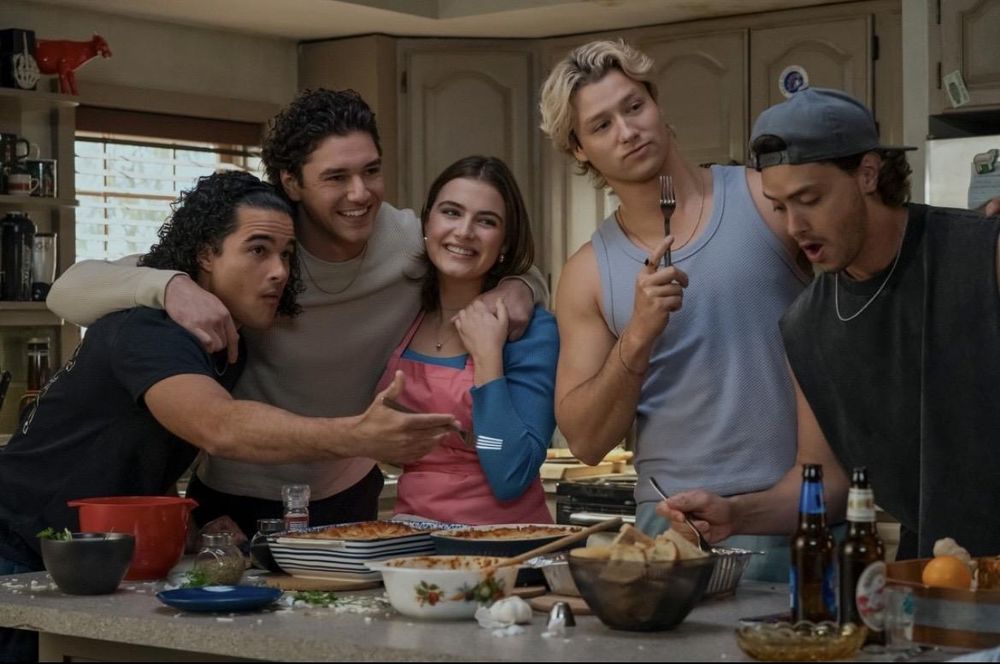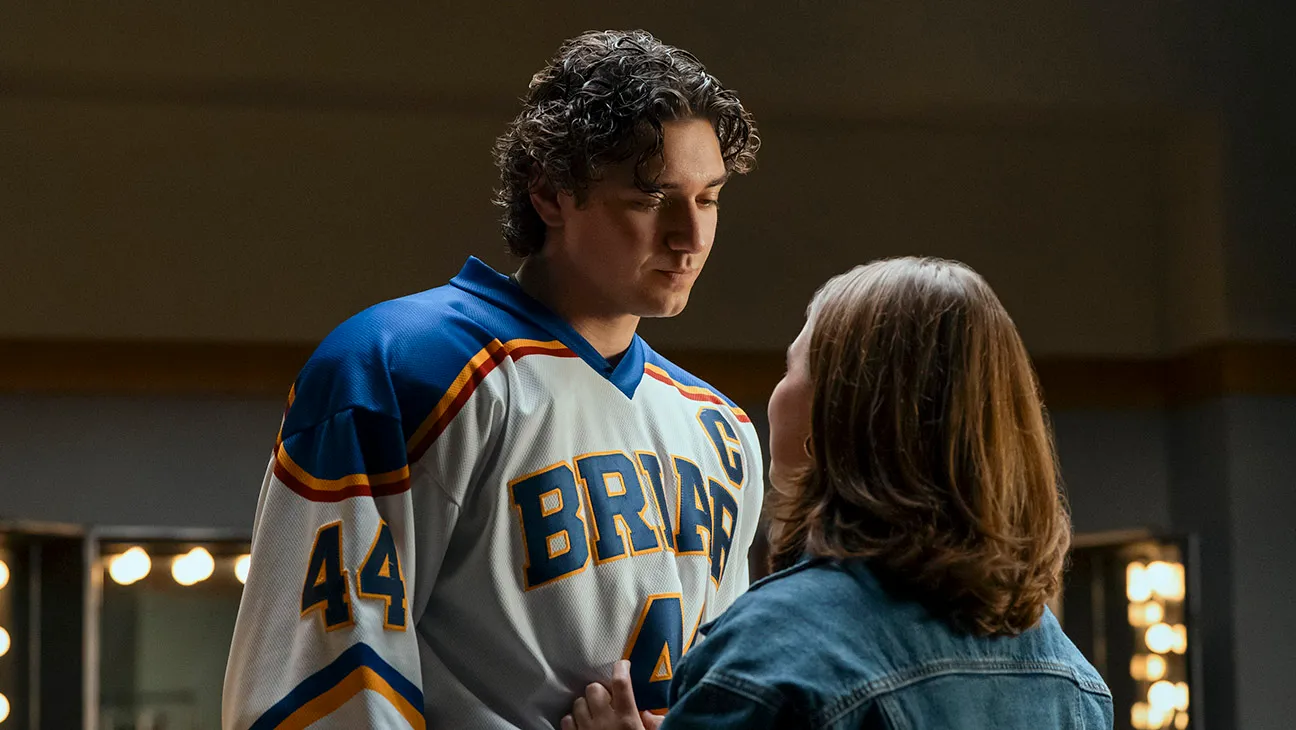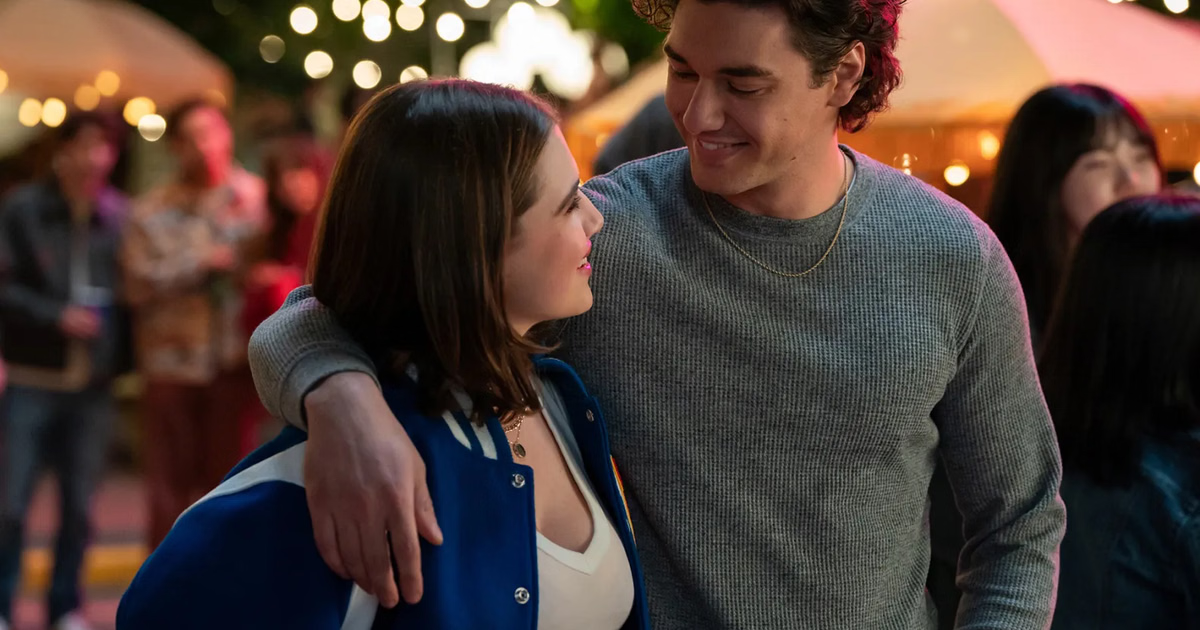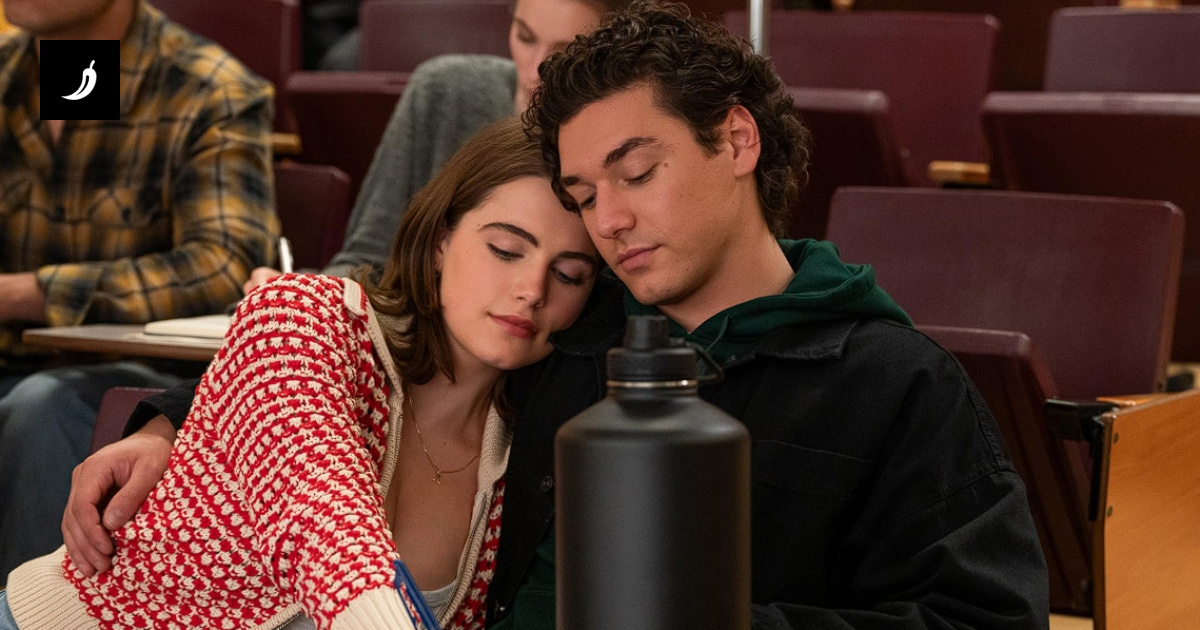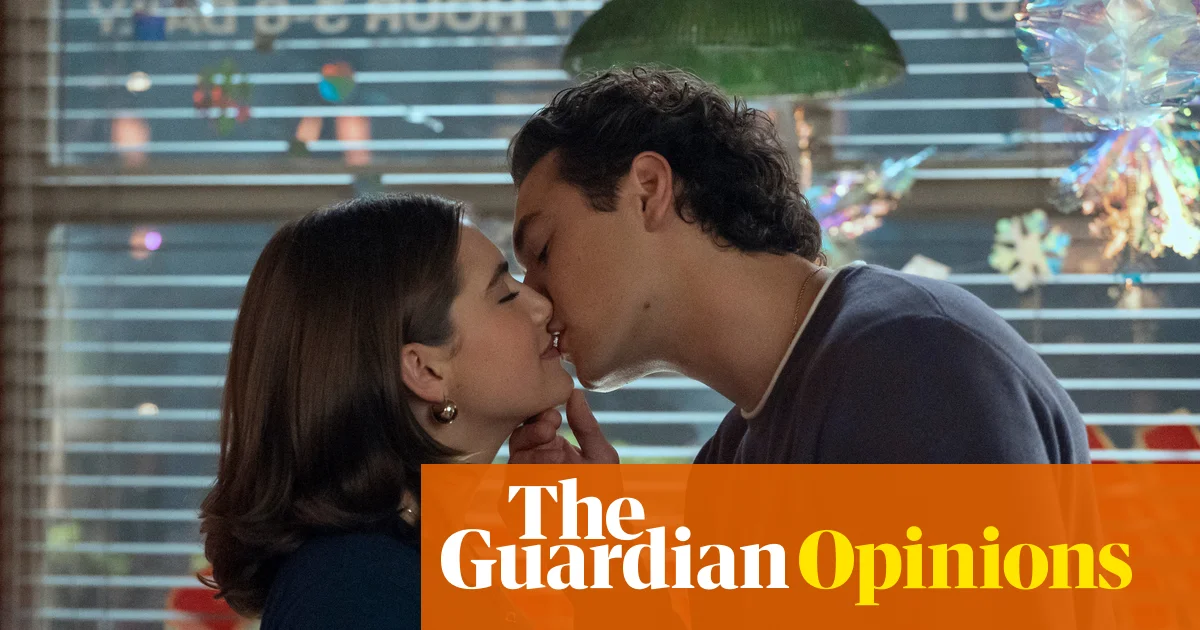
The latest release, Off Campus, drew 36M viewers worldwide within its first 12 days, proving how such romances continue to strike a chord. Let’s decode why. Not long after its release on May 13, young adult romantic drama Off Campus quickly climbed to Amazon Prime Video’s No. 1 spot globally and sparked over 366K Instagram posts filled with fan edits and reactions. Based on Elle Kennedy’s book The Deal, the series starring Ella Bright and Belmont Cameli has grown into a fandom hit.With Off Campus going viral globally, young adult romance shows are dominating screens again. (Credits: Instagram)But this isn’t an exception; it’s a part of a larger trend. Young adult (YA) shows continue to dominate streaming charts by tapping into themes of first love, emotional intensity, self-discovery and relatable relationships. In an era of dating fatigue, audiences continue to gravitate towards romances like The Summer I Turned Pretty, Heated Rivalry and XO Kitty. But why do YA romances continue to resonate so deeply? We unpack the emotional and cultural appeal behind the genre’s lasting popularity.The psychological shiftWhile some romances still lean on the brooding, emotionally unavailable male lead, young adult dramas consist of softer, safer and more emotionally aware relationships, reflecting a broader shift in audience preferences on-screen and in real life.“In Off Campus, what stood out to me is how they presented the vulnerability of men. They communicate, they talk about consent, they’re not your typical alpha, toxic male figures,” shares Nimisha Nanda, a 28-year-old media professional from Delhi. She points to a moment where Garrett (Cameli), after a bad game, responds with concern over anger. “When Hannah (Bright) returns after going quiet, he prioritises her well-being instead of getting frustrated or making it about him. This shift is what makes these characters feel different and aspirational.”A comforting escape“Young adult romance series recreate emotional states many people remember viscerally,” explains Dr Desiree Saimbi, consultant psychiatrist at Delhi’s Sant Parmanand Hospital, adding, “Because they are ‘first’ experiences, first loves stay tied to one’s identity, vulnerability and self-discovery.”Building on this, Delhi-based human behaviour specialist Pria Warrick points to a larger cultural shift: “As trust in real-life connection erodes, young adult romance shows offer a sense of control and reassurance by promising a ‘happily ever after’.”Emotional releaseDr Saimbi notes, “These shows serve as both escapism and a means of emotional processing. They offer relief from adult responsibilities and emotional fatigue, while also letting people engage with their emotions in a controlled environment.”For 32-year-old Sheena Chandel, a programme manager from Delhi who has watched everything from To All The Boys I’ve Loved Before to XO, Kitty, she describes young adult romance shows as “comforting”. “There’s a certain wistfulness they create,” she says, adding, “You know real life isn’t like that, but it’s nice to sit with something where emotions make sense and things eventually work out.”Fictional chemistryPart of the appeal of such shows lies in how quickly viewers become emotionally invested in the romance. Feelings are heightened, stakes are clear, and bonds feel intensely personal.Behaviour specialist Warrick says, “Earlier generations found a similar sense of connection in Archie comics, while today’s audience finds it in these shows, and the shift is natural. The engagement also rarely stops when the episode ends; fan edits, online discussions and even fan fiction extend the emotional life of these stories.”Defining modern loveAs these stories become more immersive, they also start shaping how viewers perceive love and relationships. Raksha Ladwani, a 25-year-old social media manager from Mumbai, says, “Shows like these feel refreshing. You’re not even sure men like this exist, but it makes you want to believe that kind of love does.”However, not everyone fully embraces the pull. “You can relate to certain situations, but at the end of the day, it’s a show,” says 25-year-old Harshvardhan Singh Thapa from Delhi, adding, “Expecting real life to match that is a bit impractical.”What keeps us coming back“Though you don’t always believe that kind of romance is real, it still makes you hope that relationships can be simple and honest,” says Thapa.In worlds like Off Campus, love can be recognised instantly. It builds slowly, hurts deeply, and still finds its way back. Perhaps that is what keeps drawing us in. Not the promise of perfect love, but the feeling of it: familiar, overwhelming, and just a little hopeful.
Why young adult romances never go out of style
The latest release, Off Campus, drew 36M viewers worldwide within its first 12 days, proving how such romances continue to strike a chord. Let’s decode why.
TL;DRAI
Amazon Prime Video's *Off Campus* (based on Elle Kennedy's *The Deal*) reached 36M viewers in 12 days, hitting No. 1 globally and generating 366K+ Instagram posts within weeks of its May 13 launch. The sustained dominance of YA romance on streaming platforms signals a durable content category driven by emotional escapism and parasocial engagement, not algorithmic novelty — relevant for commissioning and content investment decisions at streaming services and studios.
720 words~3 min read